
Real Life Inspiration for Game of Thrones Characters
Robb Stark

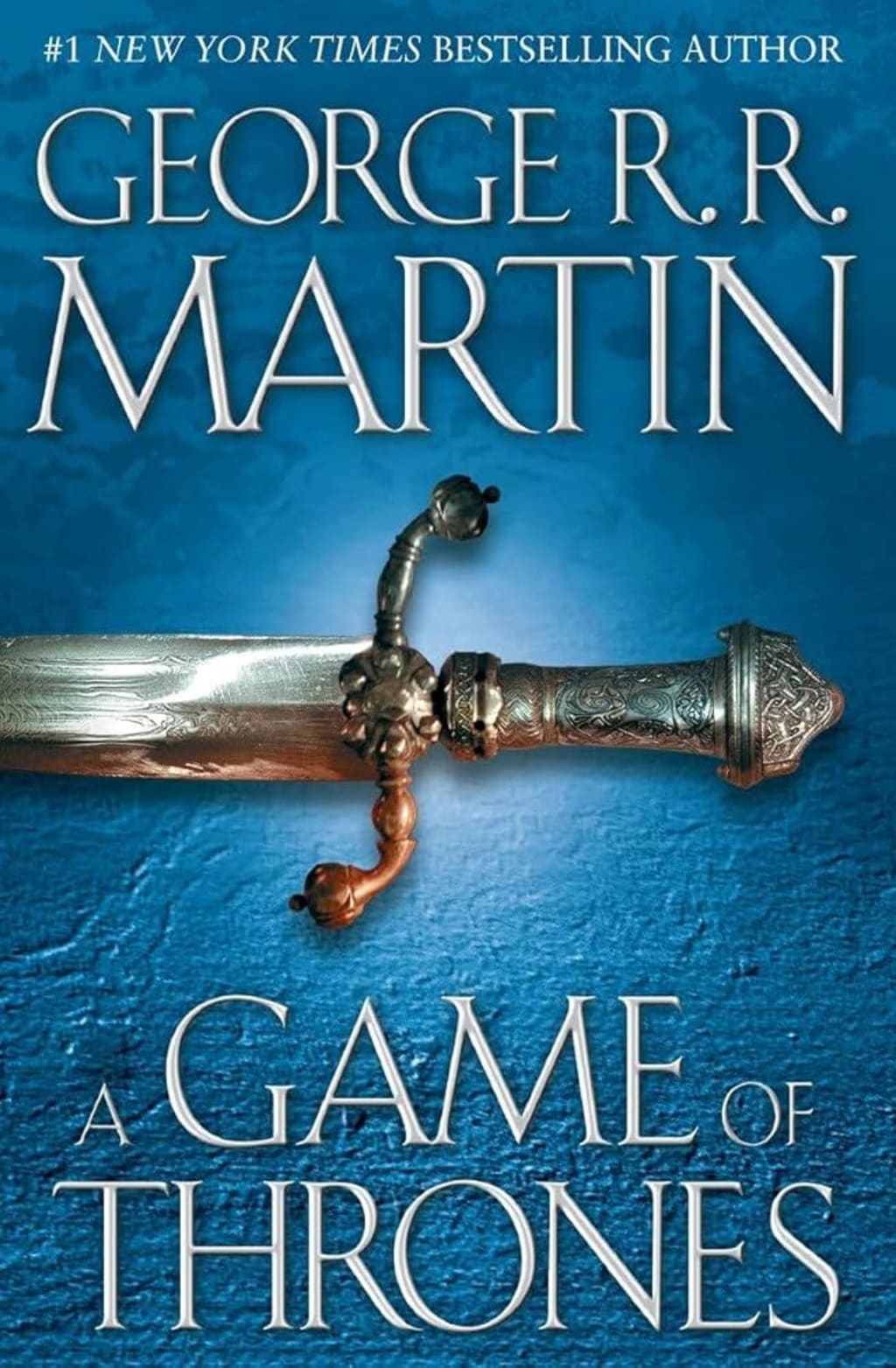
I’m following up my inaugural piece about the real life prototypes for Game of Thrones’ characters with another story of doomed royalty. This time I’ll be discussing Robb Stark, first King in the North following Aegon the Conqueror’s conquest of the Seven Kingdoms.
Robb Stark was the eldest son and heir of Ned Stark, Lord of Winterfell and Warden of the North. Ned was one of the great lords of Westeros, occupying the rung of social and legal importance just below the king himself.
Ned, having realized the dying king Robert Baratheon’s claimed son and heir Joffrey was not his legitimate son, decided to rebel against Joffrey’s intended coronation and support Robert’s brother Stannis’s claim to the Iron Throne of Westeros. Ned Stark was a good man, but like many good men was not a skilled political player. His efforts came to naught and he was imprisoned and later executed on the sadistic whim of the newly crowned king, Joffrey.
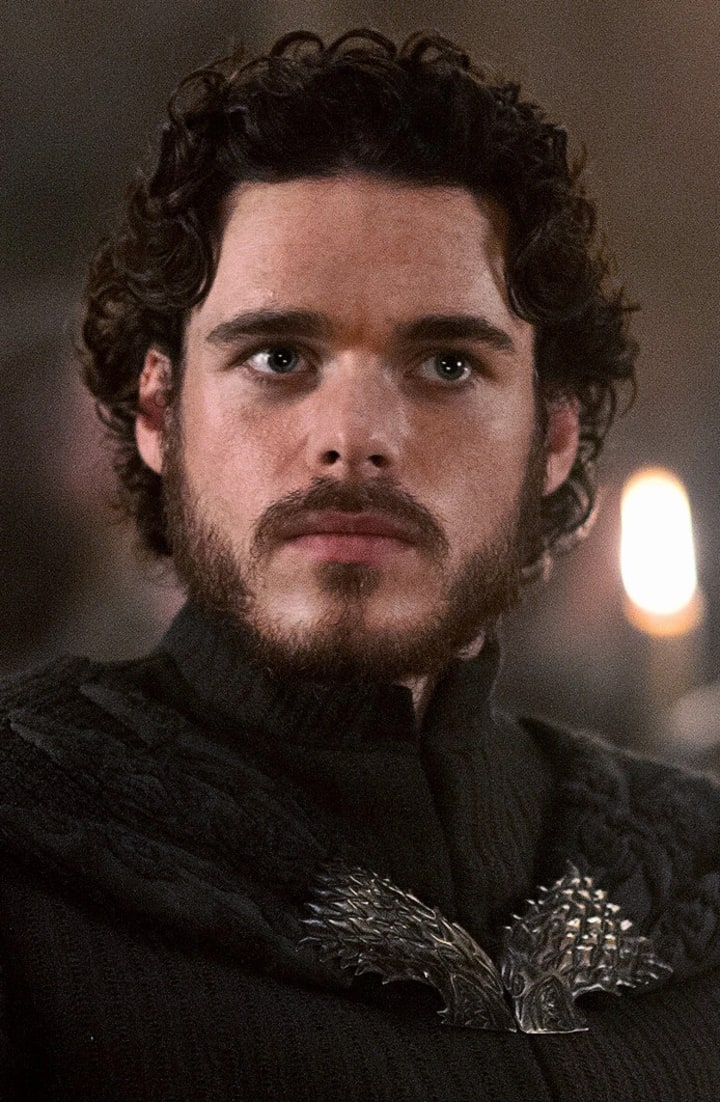
This turn of events motivates his son Robb, with the backing of the other northern lords, to declare independence from the Iron Throne of Westeros and revitalize the title “King in the North,” unused for over 300 years.
Some of the most distinct parts of Robb’s story are:
He was a rebel lord, later crowned king.
His father was killed by the enemy family occupying the throne.
He was an exceptional battlefield commander — highly successful despite little to no previous experience.
He married for love, breaking a promise to wed the daughter of one of his vassals.
For those of us familiar with GoT and the Wars of the Roses there are some readily apparent parallels between Robb and the medieval English lord and eventual king George RR Martin based him upon; King Edward IV.
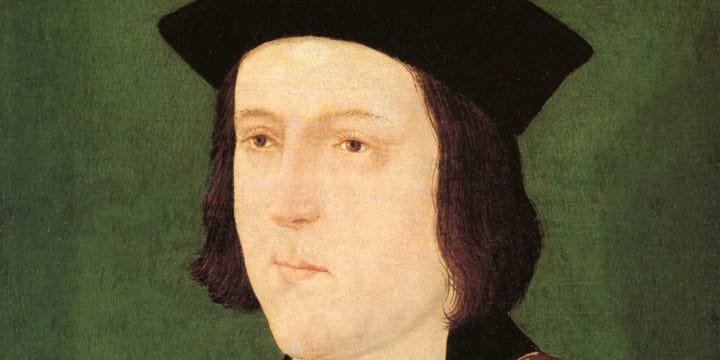
Edward IV was a scion of the House of York, eldest son of Richard Plantagent, Duke of York. The House of York was a royal bloodline, descended from Lionel of Antwerp, Duke of Clarence, second surviving son of King Edward III.
The House of Lancaster was a royal house as well, descended from the third son of Edward III, John of Gaunt, Duke of Lancaster. While this would make the Yorkist claim to the throne superior to the Lancastrian one, the Lancastrians became the royal family through usurpation of the main Plantagenet bloodline, generations before the outbreak of hostilities between the two families in the Wars of the Roses, when Henry of Bolingbroke, Duke of Lancaster (and son of John of Gaunt), overthrew his cousin, King Richard II (son of Edward the Black Prince, the eldest son of Edward III), in 1399.
The impetus for the Wars of the Roses was the simmering mutual disdain between the Lancastrian and Yorkist parties. King Henry VI of Lancaster was a weak and mentally feeble monarch dominated by his wife, Margaret of Anjou, a French princess. Her domination of court affairs and favoritism toward certain courtiers alienated many powerful lords, who gravitated toward the Duke of York. York began to eye the throne, as powerful magnates often do when they are discontented with the current regime and aspire to greater power they feel is within their grasp.
York, like Ned Stark, was killed by the Lancastrians, though on the battlefield rather than being dragged from a cell to a chopping block. His son Edward inherited his quest for kingship, ultimately succeeding.
The commonalities he shared with Robb Stark are:
His father was killed by the Lancastrians.
He was a high-ranking noble lord later elevated to the position of king.
He was a successful battlefield commander — never losing personally on the battlefield.
He married for love — his wife, Elizabeth Woodville, was a woman of little social standing, who offered no political or financial advantage. The marriage broke an agreement his vassal, the Earl of Warwick, had made for Edward to marry a French princess.
He was betrayed by an important erstwhile ally, the Earl of Warwick, and deposed (temporarily).
As with all of Martin’s characters, though, there are profound differences between them and their real life counterparts, and they involve tragedy for both men.
Robb Stark was murdered, together with his mother, by his chagrined vassal, Lord Walder Frey, at the infamous Red Wedding. Edward died of an unknown illness eleven years after defeating the main Lancastrian forces and bringing peace to the realm.
Edward was king of all of England, Robb was just king in the north.
Edward defeated and killed the rebellious Earl of Warwick and reclaimed his throne. Lord Walder Frey has thus far not received his comeuppance.
Robb had no children by the time of his death (it’s theorized his wife was pregnant). Edward had several, including two sons, Edward V and Richard, Duke of York, both of whom mysteriously vanished from the Tower of London, believed to have been murdered by Edward IV’s younger brother, King Richard III.
Edward’s eldest daughter, Catherine, married the Tudor monarch Henry VII and bore his heirs, thus making future kings of England, such as Henry VIII, descendants of Edward IV.
Robb Stark died at the tender age of 16 in the books. The show aged all of the characters somewhat, making Robb a young man in his early twenties. Edward died at 40, premature by modern standards but long enough to make an indelible mark on history and serve as a model for an astute author like George R.R. Martin to use in his vivid storytelling.
About the Creator
Brain Juice
Wise ass from NYC and fervent storyteller. Writing about all things topical with flair, imagination, and wit. No AI generated content, just a little editing. All opinions expressed are solely my own, which is what makes them great.
Keep reading
More stories from Brain Juice and writers in Humans and other communities.
The CEO of Everything
They say "jack of all trades, master of none," but they forgot to mention the part where the jack of all trades is also the camera woman, the makeup artist, and the person currently yelling at a tangled Wii microphone cable in a her own bathroom while recording herself singing and trying to make it look realistic and professional. (As professional as you can make it with nothing but a cell phone camera and a mic that doesn't work)
By Sara Wilson7 days ago in Humans
The Monkey and the Soldier
Shahab was a kind-hearted and compassionate soldier. One day, he was returning to his village to spend his leave. On his way, he had to pass through a dense forest. As he rode through, he noticed a thorny bush shaking violently. Curious and cautious, he dismounted his horse, drew his sword, and called out: “Who’s there? Come forward, or I will cut you into pieces!”
By Sudais Zakwan3 days ago in Humans


Comments (1)
Robb Stark's story is fascinating. His rise as a rebel king after his father's unjust death is gripping. You mention his battlefield success despite no prior experience. Made me wonder, what do you think were the key factors that allowed him to be so effective in combat? Also, his decision to marry for love instead of keeping a political promise is bold. How do you think that choice affected the course of his reign?