
Rana Plaza Tragedy, An Irony Of The Fashion Industry That Should Never Happen Again
The collapse of the Rana Plaza building in Bangladesh was the worst industrial incident ever to occur in the garment industry. So, what can we learn from this incident?

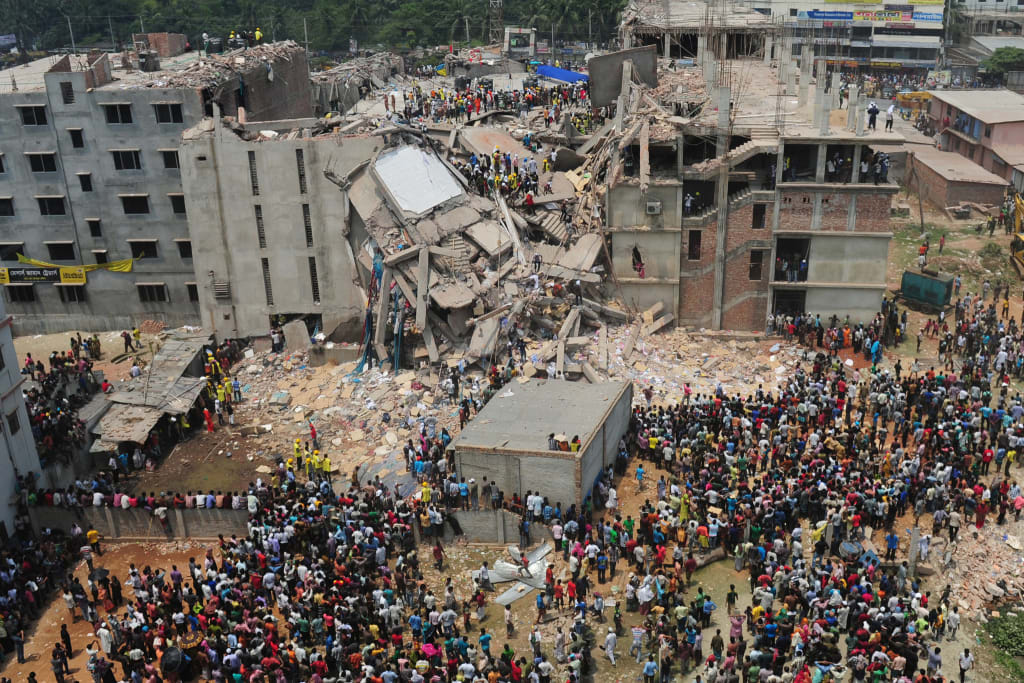
Overview of Rana Plaza
Rana Plaza was a multi-storey commercial building located in Bangladesh. It collapsed on April 24, 2013, killing more than 1,100 people and injuring more than 2,500. Rana Plaza was well known for housing several garment factories that produced clothes for various well-known fashion brands.
The tragedy highlighted the inadequate and dangerous working conditions of garment factory workers. It certainly sparked global outrage and calls for labor protections and better working conditions for the country's multi-billion dollar garment industry.
What Happened?
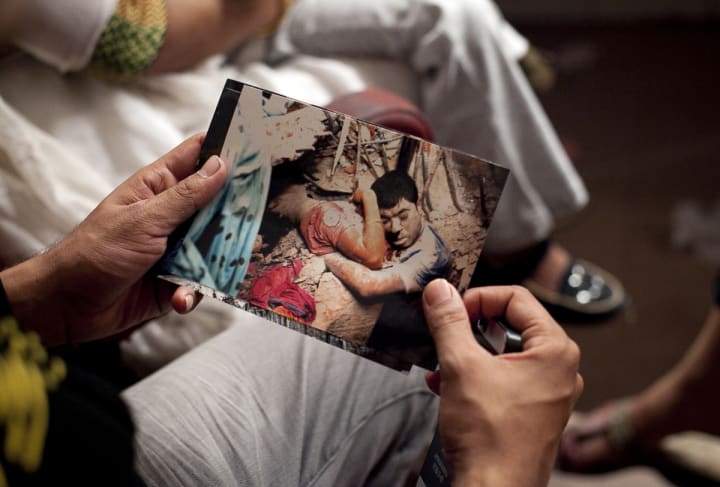
On April 23, 2013, a large structural crack was discovered in the Rana Plaza building. Several shops and banks located on the lower floors responded quickly by closing their shops immediately. Unfortunately, this warning was ignored by the garment owners on the upper floors.
Despite protests from the workers, the garment workers were ordered to continue working the next day. Under pressure from management, on Wednesday, April 24, thousands of workers returned to work at the garment factory located on the upper floors of the Rana Plaza building.
In just a few hours, the building collapsed, leaving around 1,100 people dead and 2,600 injured. Even for those who survived, many were left unable to work for the rest of their lives.
It didn't take long for the media around the world to pick up on this terrible tragedy. People around the world watched in shock and horror as media reports poured in and revealed the true number of victims.
There were many horrific stories of how people had no choice but to amputate their own limbs in order to survive.
This terrible tragedy has destroyed the lives of thousands of workers. Their suffering is horrific and requires long-term medical care and compensation.
What Caused the Rana Plaza Building to Collapse?
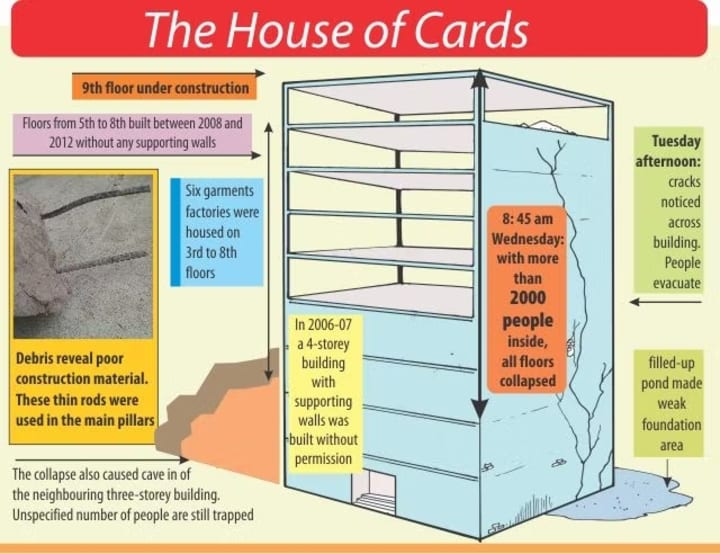
There were several factors that led to the collapse of the Rana Plaza building. Some of those factors include the use of substandard building materials, unauthorized floor additions and heavy equipment, and lack of inspection and enforcement of building regulations. In addition, workers reported cracks in the building the day before the collapse but were ordered to return to work anyway.
This tragedy has been widely recognized as a failure of corporate and government responsibility, leading to calls for improved safety standards and greater accountability in the global garment industry.
How Many Companies Were Involved In This Incident?
It is estimated that there were more than 30 companies involved in the Rana Plaza disaster as they sourced garments from factories located within the building. Some of the major brands involved in this tragedy include Benetton, Bonmarché, C&A, Carrefour, The Children's Place, El Corte Inglés, Joe Fresh, KIK, Mango, Matalan, Primark, and Walmart.
The tragedy sparked global outrage and calls for greater corporate responsibility and accountability in the garment industry, leading to the creation of the Bangladesh Accord on Fire and Building Safety, an agreement between companies, labor unions, and NGOs to improve safety standards in Bangladesh's garment industry.
What About Corporate Responsibility After The Rana Plaza Incident?
Following the Rana Plaza tragedy, many of the companies involved in sourcing from the building faced significant public pressure to take responsibility for the disaster. Some of the steps taken by these companies include:
- Signed the Bangladesh Agreement on Fire and Building Safety, an agreement to improve safety standards in Bangladesh's garment industry.
- Implemented independent factory inspections and made the results public
- Offer compensation to the victims and their families
- Made a commitment to improve working conditions and increase worker empowerment
- Increase their transparency by disclosing their supply chain and making efforts to monitor conditions in their supply factories.
However, the response of some companies has been criticized as inadequate, and concerns remain about the implementation and enforcement of these commitments.
The Rana Plaza tragedy has had a lasting impact on the garment industry and has prompted ongoing efforts to improve working conditions and ensure greater accountability for corporate and the government.
What Can We Do To Prevent An Incident Like Rana Plaza From Happening Again?
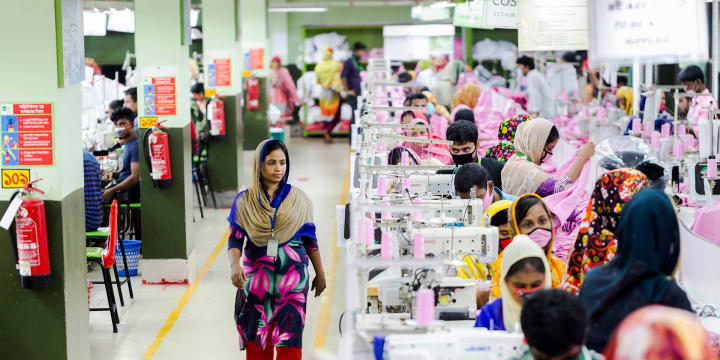
To prevent events like the Rana Plaza disaster from happening again, there are several steps that can be taken:
- Enforce stronger labor laws and building regulations: The government should enforce stronger labor laws and building regulations, and ensure that factories and buildings meet basic safety standards.
- Increase worker empowerment: Workers should have the right to form trade unions and advocate for their rights and safety.
- Increase company accountability: Companies should be held accountable for conditions in their supply chains and should be transparent about their sourcing practices.
- Implement independent monitoring and inspection: Independent monitoring and inspection of factories should be implemented to ensure that working conditions meet adequate standards.
- Promoting ethical consumption: Consumers can play their part by choosing to buy from companies that have a strong track record of respecting workers' rights and promoting safe working conditions. In addition, we can choose not to use clothing products from the fast fashion industry that does not pay attention to sustainability.
- Encourage collaboration: Governments, companies, workers, and civil society organizations should work together to promote and implement these changes.
Hopefully, this will help create a more responsible and sustainable global garment industry. Of course, we all hope that incidents like Rana Plaza will never happen again.
What Can We Learn From This?
From this Rana Plaza incident, there are many lessons that we can learn, one of which is how to create safe and good working conditions for workers, and how companies pay attention to sustainable production processes.
About the Creator
Brian Fulan
Just random people on the Internet who love to playing games and reading books.
Keep reading
More stories from Brian Fulan and writers in Humans and other communities.
10 Best Streetwear Brands From Japan That Should Be In Your Wardrobe Collection List
Japan is known for its unique and innovative streetwear fashion, which combines elements of traditional and modern styles. This style is characterized by its use of bold and bright colors, oversized clothing, and unique patterns and designs. Brands such as A Bathing Ape and Undercover are considered trendsetters in the streetwear scene.
By Brian Fulan3 years ago in Styled
The Unexpected Guardian
A Fragmented Life in a Foreign Land The city was a blur of unfamiliar sights and sounds for the young Chinese student. He had arrived in Germany, like countless others, with dreams of education and a brighter future, yet found himself navigating the universal challenges of an international student: language barriers, cultural shocks, and the quiet ache of loneliness. His initial lodging was modest, a room in an old, somewhat dilapidated house owned by an elderly German man.
By Linda Yule4 days ago in Humans




Comments
There are no comments for this story
Be the first to respond and start the conversation.