
Qantas A380 Wing Damage and the Fragility of Trust in Flight
Airplanes carry more than passengers. They carry trust. Every time someone steps onto a flight, they hand over control to metal, engineering, and unseen systems working quietly in the background.

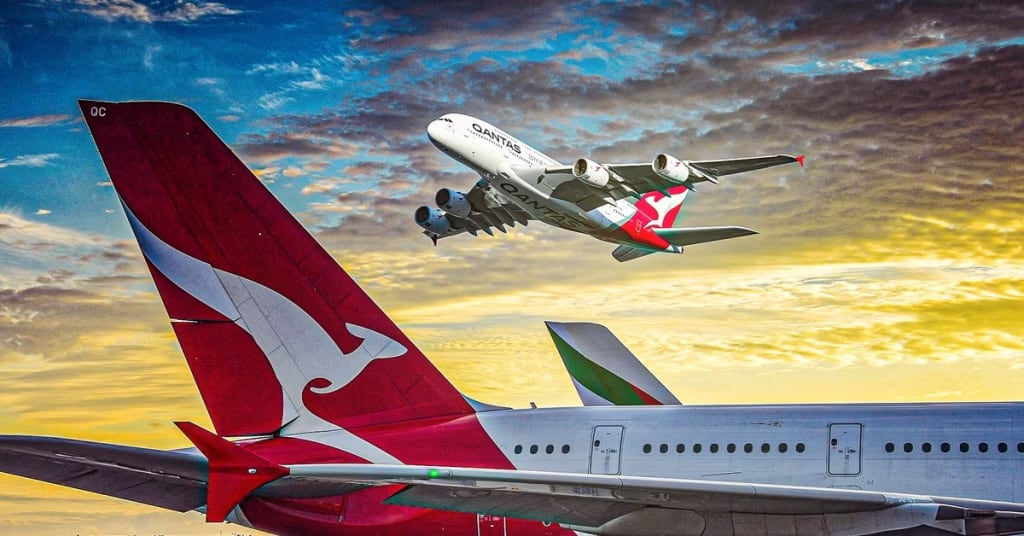
Airplanes carry more than passengers. They carry trust. Every time someone steps onto a flight, they hand over control to metal, engineering, and unseen systems working quietly in the background. When news breaks about Qantas A380 wing damage, it does more than raise technical questions. It stirs unease. People imagine altitude, pressure, and thin air between safety and fear. Most travelers do not understand aircraft wings in detail, but they understand vulnerability. This article explores what Qantas A380 wing damage means, how such issues are detected, why they happen, and how aviation balances safety with human confidence. It is not about panic. It is about understanding.
Why Aircraft Wings Matter More Than Anything Else
Wings Are Not Just for Lift
An aircraft wing does far more than keep a plane in the air.
It holds fuel.
It absorbs stress.
It bends by design.
Modern wings are built to flex, not stay rigid. That flexibility helps absorb turbulence and pressure changes.
When people hear about wing damage, they often imagine cracks or breaks. In reality, most cases are far more controlled.
Emotional Weight of Wing Safety
For passengers, wings are visible reminders of flight.
You can see them from your seat.
You watch them move during turbulence.
Any mention of damage feels personal because it feels close.
Understanding the Qantas A380
A Giant of the Sky
The Airbus A380 is one of the largest passenger aircraft ever built.
Its wings are massive.
They span wider than many buildings.
These wings carry extreme loads during takeoff and landing.
The Qantas A380 fleet has been known for long-haul routes and heavy usage.
Why Large Aircraft Face Unique Stress
Bigger planes experience more complex forces.
Weight distribution matters more.
Fuel load shifts affect balance.
This does not mean they are weaker. It means monitoring is more detailed.
What Does Qantas A380 Wing Damage Mean
Damage Does Not Always Mean Danger
The phrase wing damage sounds alarming.
In aviation, damage can mean many things.
Small surface cracks.
Wear in non-critical areas.
Fatigue signs detected early.
Most findings come from inspections, not emergencies.
How Damage Is Usually Found
Aircraft undergo routine checks.
Some inspections happen after a set number of flights.
Others happen during scheduled maintenance.
Engineers often spot issues long before passengers ever know.
How Aircraft Wings Are Inspected
Layers of Inspection
A380 wings are inspected visually and with tools.
Engineers use lights, scanners, and sensors.
Some checks look beneath the surface.
These inspections are designed to find problems early.
Why Findings Are Reported Carefully
When Qantas reports wing damage, it follows strict rules.
Transparency matters, but accuracy matters more.
Not every finding poses a risk.
Common Causes of Wing Damage
Metal Fatigue Over Time
Aircraft wings endure stress with every flight.
Takeoff bends the wings upward.
Landing relaxes them again.
Over thousands of cycles, materials age.
This is expected and planned for.
Environmental Factors
Temperature changes matter.
Flying from hot ground to cold altitude stresses materials.
Moisture and air pressure also play roles.
Manufacturing and Design Adjustments
Sometimes inspections reveal areas that need improvement.
This does not mean failure.
It means learning and adapting.
The Qantas A380 Wing Damage Context
Why This News Drew Attention
Qantas is a respected airline.
When a major carrier grounds or inspects aircraft, people notice.
The size of the A380 adds drama to the story.
Media vs Reality
Headlines often simplify.
Wing damage sounds dramatic.
The technical reality is often less severe.
Understanding this gap helps reduce fear.
What Happens After Damage Is Found
Aircraft Are Grounded If Needed
Safety decisions are immediate.
If damage requires repair, planes do not fly.
There is no negotiation with safety margins.
Repairs Are Detailed and Slow
Fixing aircraft wings is precise work.
Parts are replaced or reinforced.
Testing follows repair.
Nothing returns to service without approval.
Regulatory Oversight in Aviation
Airlines Are Not Alone in Decisions
Aviation authorities oversee every step.
They review findings.
They approve repairs.
No airline operates independently in safety matters.
Why Oversight Builds Trust
Multiple layers of review reduce risk.
This system exists to protect passengers.
Passenger Reactions to Wing Damage News
Fear Is a Natural Response
People imagine worst-case scenarios.
They picture mid-air failures.
These fears are human.
How Knowledge Changes Perception
Understanding inspection processes helps.
Knowing planes are grounded before risk arises builds calm.
The Role of Engineering Design
Wings Are Built to Withstand Damage
Aircraft wings are tested beyond real conditions.
They are bent until failure during testing.
Design includes margins for wear.
Redundancy in Safety
Even if one component weakens, others compensate.
This layered design prevents sudden failure.
Qantas and Its Safety Reputation
A History of Caution
Qantas has often chosen caution over schedule.
Delays are inconvenient.
Accidents are unacceptable.
This mindset shapes how issues are handled.
Why Airlines Share Findings
Transparency maintains long-term trust.
Hiding issues creates bigger problems later.
Comparing Past Aviation Incidents
Lessons From History
Past accidents changed aviation forever.
Inspections became more detailed.
Materials improved.
Every finding contributes to safer flight.
Why Modern Aviation Is Different
Technology allows early detection.
Problems are found before they escalate.
The Emotional Cost of Grounded Aircraft
Impact on Passengers
Delays cause frustration.
Plans change.
Connections are missed.
But safety decisions protect lives.
Impact on Airlines
Grounding planes costs money.
It disrupts schedules and reputation.
Yet safety always outweighs cost.
How Engineers View Wing Damage
A Technical Perspective
Engineers see data, not drama.
They measure stress points.
They track patterns.
This objective approach keeps aviation safe.
Emotional Distance Is Necessary
Emotion cannot guide safety decisions.
Facts must lead.
Public Understanding and Misinformation
Why Aviation Stories Spread Fast
Flying already carries anxiety.
Any threat feels amplified.
Social media intensifies fear.
The Importance of Calm Explanation
Clear communication reduces panic.
Understanding processes restores confidence.
The Reality of Flying Safety Today
Flying Remains Extremely Safe
Despite headlines, aviation safety records remain strong.
Incidents rarely involve passengers.
Inspections prevent disasters.
Risk vs Perception
Risk feels larger than it is.
Visibility increases fear.
Statistics tell a calmer story.
The Human Side of Aircraft Maintenance
Engineers Behind the Scenes
Maintenance teams work long hours.
Their work is invisible when done well.
They carry responsibility quietly.
Pride in Safety
Finding damage is not failure.
It is success in prevention.
Why Wing Damage Does Not Mean Weakness
Monitoring Shows Strength
Systems that detect issues early work as intended.
Damage detection proves vigilance.
Continuous Improvement
Aviation improves through feedback.
Each finding informs future design.
What Passengers Can Take From This
Awareness Without Panic
Understanding aviation processes helps.
Fear fades with knowledge.
Trust Built on Systems
Safety relies on systems, not luck.
Those systems remain strong.
The Future of Aircraft Inspection
Better Monitoring Tools
Technology continues to improve detection.
Smaller issues are found sooner.
Learning From Each Aircraft
Every plane contributes data.
This improves fleet-wide safety.
Final Thoughts on Qantas A380 Wing Damage
Beyond the Headline
Qantas A380 wing damage is not a sign of failure.
It is a sign of scrutiny.
Aviation safety depends on finding problems early.
Trust in the Process
Flying requires trust.
That trust is built through inspection, repair, and caution.
The next time you look out at an aircraft wing, remember this.
Its strength lies not in being perfect, but in being watched carefully.
And that watchfulness is what keeps you safe in the sky.
About the Creator
Muqadas khan
Hi! Welcome to my Vocal page. I’ll be sharing fresh articles every day covering stories, ideas, and a bit of inspiration to brighten your feed. Thanks for reading and supporting daily writing! 📖💫
Keep reading
More stories from Muqadas khan and writers in Humans and other communities.
Tesla Roboter and the Quiet Fear of Machines That Look Like Us
There is something unsettling about machines that walk like people. Not because they are loud or aggressive, but because they feel familiar. The idea of the Tesla Roboter does not arrive with explosions or dramatic promises. It arrives quietly, almost politely. A machine shaped like a human, designed to help, assist, and work beside us. Some people feel excitement. Others feel discomfort they cannot fully explain. This article is not about hype or speculation. It is about what the Tesla Roboter represents in everyday human life. The hope, the hesitation, and the slow realization that machines are no longer staying in the background.
By Muqadas khan3 months ago in Humans
Practical Dating Problem Solving Tips For Busy Professionals Seeking Love
Hectic workers are usually not able to find a balance between their work life and romantic life. Dating time has to be planned so that one does not forget about personal relationships. Dating should be taken seriously so as to make it consistent and show commitment to getting a good match.
By Robert Smith4 days ago in Humans


Comments
There are no comments for this story
Be the first to respond and start the conversation.