
Proper Corporate Management: The Thinking of Ordinary Workers and the Marxism of Employers in the Corporate World
Workers and the Marxism of Employers in the Corporate
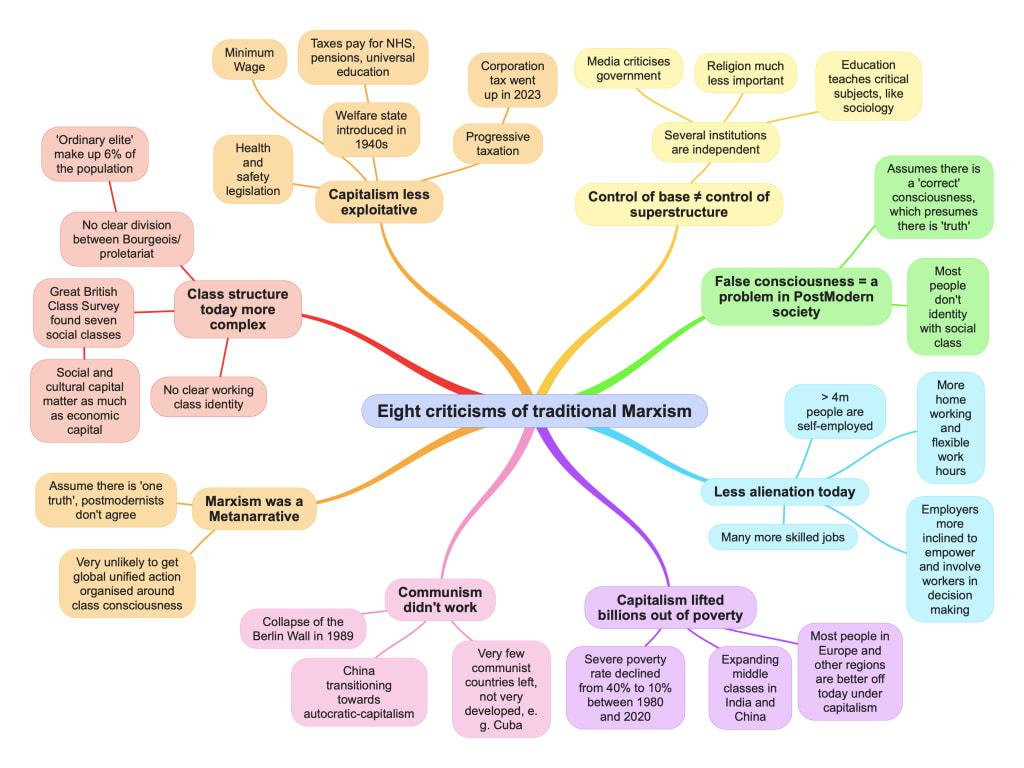
Proper Corporate Management: The Thinking of Ordinary Workers and the Marxism of Employers in the Corporate World
Introduction
The corporate world has long been a battlefield of contrasts—social, economic, and ideological. A central theme in the corporate environment is the dichotomy between the interests and perspectives of workers and employers. Workers, who are primarily engaged in daily tasks, often view the corporation as a structure that rewards top management while offering little acknowledgment of the labor they contribute. On the other hand, employers, particularly those who embrace capitalist principles, focus on maximizing profit, often at the expense of workers’ well-being. This division is rooted in historical theories like Marxism, which critiques the capitalist system for exploiting labor. In this article, we will explore these contrasting viewpoints, their implications for corporate management, and how modern businesses can find a balance to effectively manage both interests.
The Thinking of Ordinary Workers
Ordinary workers are the backbone of any corporation. They are the ones who execute the day-to-day operations and bring the company’s vision to life. However, many of them often feel disconnected from the strategic decisions that shape their work environment. Workers typically view corporations as profit-driven entities, and their daily concerns revolve around job security, fair compensation, and opportunities for career advancement. These concerns are exacerbated by corporate cultures that sometimes focus too heavily on financial performance, leaving little room for genuine employee engagement.
The thinking of the average worker is also heavily influenced by the structure of the workplace and the way they are treated by management. Workers may feel that their labor is undervalued, particularly when they see a large disparity between executive salaries and their own. This perception often leads to dissatisfaction and a feeling of alienation from the company's goals. The underlying belief is that corporations are driven by a need to maximize profits, often through cost-cutting measures such as downsizing or outsourcing, which can negatively affect employees.
Furthermore, employees may perceive the lack of recognition for their hard work as a sign of corporate exploitation. They might feel like mere cogs in a machine rather than valued contributors to the company’s success. The modern worker, therefore, tends to place high importance on a work environment that values respect, transparency, and personal development. While financial rewards are important, the workplace culture, opportunities for growth, and emotional well-being are equally crucial for job satisfaction.
Marxism and Employers in the Corporate World
The Marxist theory, which critiques capitalism as an inherently exploitative system, offers a lens through which we can examine the behavior of employers in the corporate world. According to Marxism, employers, who control the capital, profit from the labor of workers without adequately compensating them for the value they create. In Marxist terms, the worker’s labor is "alienated," as they do not receive the full value of what they produce.
Employers, as part of the capitalist structure, are motivated by the desire to maximize profits and return on investment. In doing so, they often make decisions that prioritize cost reductions, efficiency, and profitability, which may include reducing the workforce or limiting employee benefits. These decisions are generally based on the goal of improving the company’s bottom line, sometimes disregarding the human cost involved.
However, in modern times, the rigid application of Marxist principles in corporate environments has evolved. Many employers are now acknowledging the importance of corporate social responsibility (CSR) and ethical leadership. Some businesses are moving beyond a narrow profit-maximizing mentality and recognizing that long-term success is closely tied to maintaining a healthy and motivated workforce. The modern capitalist corporation is thus adopting practices that try to address the growing concerns of workers by promoting sustainability, diversity, and inclusion in the workplace.
The Shift Toward Ethical Leadership
One of the key developments in modern corporate management is the shift towards ethical leadership, which aims to reconcile the interests of both workers and employers. This shift involves taking a more human-centered approach to business, where the well-being of employees is not only seen as a moral obligation but as a strategic investment in the company’s long-term success. Companies that embrace ethical leadership prioritize open communication, fair treatment, and respect for employee rights, while also working to ensure that the business remains competitive and profitable.
The concept of ethical leadership has gained traction in recent years, with a growing number of companies striving to create workplaces where workers feel valued and heard. Ethical leadership emphasizes transparency, social responsibility, and a focus on sustainable practices. It also advocates for fair wages, equal opportunities for growth, and the overall well-being of employees. Leaders who adopt these principles often find that their employees are more engaged, productive, and loyal, which ultimately benefits the company.
In addition, ethical leadership involves creating a corporate culture that fosters innovation and inclusion. By encouraging diverse perspectives and providing employees with the tools and opportunities to grow professionally, businesses can tap into a wealth of creativity and problem-solving capabilities. Workers who feel empowered and supported are more likely to contribute meaningfully to the company’s success.
Proper Corporate Management: Finding the Balance
Proper corporate management involves balancing the competing interests of workers and employers. Employers must understand that investing in their workforce is not only a moral imperative but also a sound business strategy. A motivated and engaged workforce is one that drives productivity, reduces turnover, and ultimately contributes to the company’s growth. Similarly, workers must recognize the need for profitability and the importance of business sustainability. A successful corporation cannot thrive without a strong financial foundation.
To achieve this balance, employers should implement the following principles in their management practices:
Open Communication – Transparent, honest dialogue between management and employees is essential for building trust and understanding. Workers must feel that they can voice their concerns without fear of retaliation, and management must be willing to listen and respond.
Fair Compensation – Pay and benefits should reflect the value that employees bring to the company. Employers should ensure that wages are competitive and that employees are fairly compensated for their contributions.
Work-Life Balance and Social Responsibility – Companies must recognize the importance of work-life balance and promote policies that support the health and well-being of employees. This includes offering flexible working hours, mental health support, and social benefits that enhance employee satisfaction.
Encouraging Innovation and Employee Development – Investing in employee training and development is crucial for fostering innovation. Companies should encourage employees to take an active role in decision-making and to contribute ideas that can improve business processes.
Corporate Social Responsibility (CSR) – Companies that prioritize CSR demonstrate a commitment to ethical practices beyond profit. This includes initiatives related to environmental sustainability, community engagement, and fair labor practices.
Conclusion
In conclusion, the corporate world is an arena of complex dynamics where the interests of workers and employers often collide. The key to successful corporate management lies in finding a balance between these interests, creating a work environment that values employees while also ensuring the financial success of the business. By embracing ethical leadership, promoting open communication, and investing in their workforce, employers can create a more sustainable, equitable, and prosperous corporate world.
About the Creator
Keep reading
More stories from tsvetelina and writers in Humans and other communities.
The Strength Within: How Overcoming Life’s Challenges Makes Us Stronger
The Strength Within: How Overcoming Challenges Leads to Personal Growth Life is full of unexpected turns, moments when everything seems to fall apart. We face challenges that seem insurmountable, and the weight of them can feel overwhelming. But it’s in these moments of struggle that we discover something extraordinary about ourselves. It’s in the hardest times that we truly realize our strength, our capacity to endure, and our ability to rise again.
By tsvetelina10 months ago in Journal
Think for Me
"How do you calculate the circumference of a circle? Submit your answer when ready." [Pause] "Excellent! Every student was able to call up the answer electronically very quickly. If I, as a robot had feelings, I would express pride. You may break for lunch. Return to this cyber room in 45 minutes."
By Julie Lacksonen3 days ago in Humans
By the Arch of Our Backs
A speaker uses a phrase passed around in failed relationships, to gain equal footing in his headship with us. Peasants. While we are still at his feet. He asks, “What do you bring to the table?” To you as a wise citizen, I say you bring your experience. Not just for your job, but for these treacherous speeches. I don’t bring my feelings, I get even with his eloquence.
By Caitlin Charlton5 days ago in Humans
Diaries to Nietzsche
Quotation from Friedrich Nietzsche "He who wrestles long with monsters should beware lest he himself become a monster. And if you gaze long into an abyss, the abyss also gazes into you. Man is not destroyed by suffering, but by the meaning he makes of it."
By LUCCIAN LAYTH4 days ago in Critique


Comments
There are no comments for this story
Be the first to respond and start the conversation.