
Postpartum Vaginal Tightening: Treatments and Solutions for New Mothers
vaginaltightening treatment
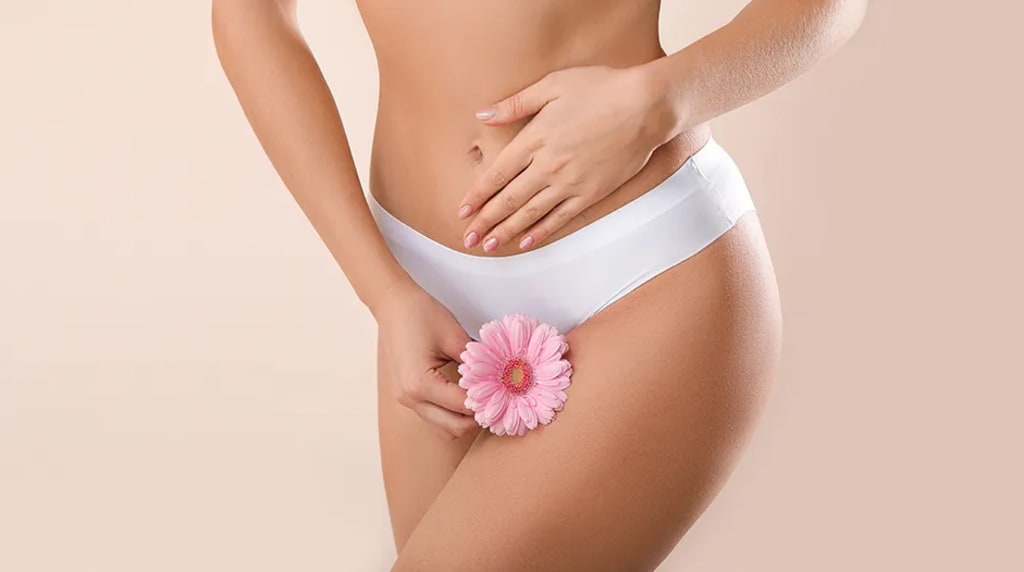
Motherhood is a transformative experience that changes a woman’s body in profound ways. One of the most personal and sometimes challenging physical changes involves the vaginal area. After childbirth—especially vaginal delivery—many new mothers experience a loosening or stretching of vaginal tissues. This natural process is part of recovery, but it can impact confidence, intimacy, and overall comfort. Fortunately, a variety of postpartum vaginaltightening treatments are available today to help women restore strength and tone to this part of the body. Whether through non-invasive options or more advanced interventions, new mothers have choices that support both physical well-being and emotional health.
Understanding Postpartum Changes
During childbirth, the vaginal muscles and surrounding tissues stretch to allow the baby to pass through. This stretching can lead to a feeling of looseness, especially if the delivery involved a large baby, a long labor, or complications such as tearing. Hormonal fluctuations after birth also play a role in how the body heals and may affect vaginal elasticity. Many women find that, even after several months, the tightness and firmness they once had has not fully returned.
This is where treatments for vaginal tightening become relevant. Whether the goal is to improve sexual satisfaction, enhance physical comfort, or simply feel more like themselves again, postpartum women have access to a range of options to restore muscle tone and tissue strength.
At-Home Solutions and Natural Remedies
For those looking for gentle and natural approaches, several at-home methods can be quite effective. One of the most widely recommended solutions is Kegel exercises. These are targeted pelvic floor movements that help strengthen the muscles responsible for vaginal tone. Done correctly and consistently, Kegels can make a noticeable difference in tightness and control over time.
In addition to Kegels, yoga and Pilates can aid postpartum recovery by focusing on core strength and pelvic floor stability. Breathing techniques and mindful stretching also help reconnect new mothers with their bodies in a gentle and empowering way.
Some women turn to herbal remedies and topical treatments such as vaginal tightening gels or creams. While these can offer temporary effects or placebo benefits, it’s essential to consult a healthcare provider before using any over-the-counter products, especially when healing from birth.
Non-Invasive Clinical Treatments
If at-home options aren’t providing the desired results, non-invasive medical treatments offer safe, effective alternatives without surgery. One popular method is radiofrequency therapy, which uses controlled energy waves to stimulate collagen production and tighten the vaginal walls. Treatments like ThermiVa or Viveve fall into this category and are typically done in a clinic setting without pain or downtime.
Another emerging option is laser vaginal rejuvenation, using fractional CO2 lasers to gently resurface and contract the vaginal tissues. This technique has shown promising results in improving elasticity, moisture levels, and sexual function. Typically, a few sessions spaced over several weeks are needed for optimal outcomes.
These procedures have become increasingly common because they are convenient, carry minimal risk, and do not require anesthesia or recovery time. However, they may not be suitable for everyone, particularly women who are still breastfeeding or in the early stages of postpartum healing.
Surgical Options for Vaginal Rejuvenation
For women experiencing more significant laxity or dissatisfaction, surgical intervention may be considered. Vaginal rejuvenation surgery, also known as vaginoplasty, involves the tightening of vaginal muscles and removal of excess tissue. This procedure is usually performed under general anesthesia and may require a few weeks of recovery time.
While it offers permanent and dramatic results, surgery carries typical risks associated with any invasive procedure—such as infection, scarring, or prolonged discomfort. That’s why it’s vital to consult with a qualified gynecologic or cosmetic surgeon, discuss expectations clearly, and ensure physical readiness before pursuing this route.
Some women also combine vaginoplasty with labiaplasty, a surgery that alters the labia's size or shape for comfort or aesthetic reasons. While such decisions are deeply personal, they should always be made based on individual desires, not societal pressures or unrealistic standards.
Emotional and Relationship Considerations
The journey of postpartum recovery isn't just physical—it's deeply emotional. Changes in the body can affect confidence, intimacy, and how a woman relates to herself and her partner. Many new mothers report anxiety or self-consciousness during sexual activity due to perceived looseness or reduced sensation.
Open communication with a partner is crucial during this phase. Rebuilding intimacy takes patience, reassurance, and a shared understanding of the changes both partners are experiencing. In some cases, counseling or sex therapy can provide a safe space to navigate emotional challenges and rediscover closeness after childbirth.
It’s equally important to remember that each woman’s body heals at its own pace. Comparing one’s recovery to others or holding unrealistic expectations can lead to unnecessary frustration. With time, care, and the right support, most women find that they regain strength, confidence, and pleasure in their bodies again.
Choosing the Right Path for You
There is no one-size-fits-all approach to postpartum vaginal tightening. Every woman’s body, birth experience, and healing journey are unique. What works for one person may not be right for another—and that’s okay.
Before choosing any treatment, it’s essential to consult with a medical professional. An OB-GYN, pelvic floor therapist, or women's health specialist can evaluate your condition, recommend the best solutions, and monitor progress safely.
Prioritizing self-care and wellness over quick fixes will always yield better long-term results. Whether through simple exercises, non-invasive therapies, or medical procedures, postpartum women have more tools than ever to feel confident and strong in their bodies again.
Final Thoughts
Postpartum recovery is not just about bouncing back—it’s about reclaiming comfort, function, and confidence. Vaginal tightening treatments offer new mothers a variety of ways to reconnect with their bodies, whether through gentle natural exercises or modern medical technologies. With the right support, information, and care, every woman can make empowered choices that honor her unique journey into motherhood.
About the Creator
Keep reading
More stories from Hash Invasive and writers in Humans and other communities.
Real Patient Stories: Life After Male Breast Reduction Surgery
Male breast reduction surgery, also known as gynecomastia surgery, has been a transformative option for many men who have struggled with the physical and emotional effects of enlarged breasts. For some, the condition can be a source of embarrassment, making them feel self-conscious about their bodies. Gynecomastia, often referred to as man boob disease, affects a significant number of men at various stages of their lives. However, following surgery, many patients report a dramatic improvement in both their physical appearance and their overall quality of life.
By Hash Invasive11 months ago in Humans


Comments
There are no comments for this story
Be the first to respond and start the conversation.