
Pope Francis and the Possibility of a Conclave: What Lies Ahead for the Catholic Church
Pope Francis

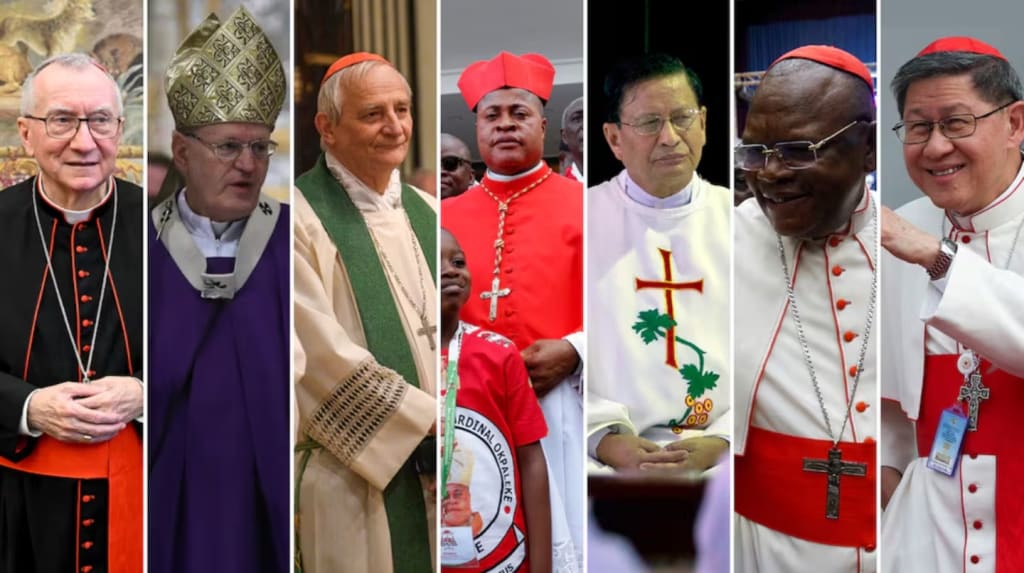
In recent years, Pope Francis has captured the world’s attention with his bold actions, compassionate leadership, and unwavering commitment to social justice. His papacy has been marked by efforts to reform the Catholic Church, advocate for the poor and marginalized, and address urgent global issues such as climate change. However, as Pope Francis approaches the later years of his life, the possibility of a conclave—the process by which a new pope is elected—has become a topic of growing interest and speculation within the Church and beyond.
The Papacy of Pope Francis: A New Era for the Catholic Church
Since his election in 2013, Pope Francis has been a transformative figure in the Catholic Church. His papacy broke with many traditional norms, bringing a refreshing sense of humility and outreach to the Vatican. He chose the name Francis in honor of St. Francis of Assisi, symbolizing his dedication to poverty, peace, and care for the environment. His down-to-earth approach and focus on the poor have garnered admiration worldwide, making him not only the spiritual leader of 1.3 billion Catholics but also a global figure in the fight for social justice and environmental sustainability.
One of the most significant aspects of Pope Francis’ leadership has been his push for internal reform within the Church. He has called for more inclusivity, particularly for marginalized groups such as LGBTQ+ individuals, divorced Catholics, and women in the Church. Additionally, his efforts to address the sexual abuse crisis within the Church have been critical in beginning a long-overdue conversation about transparency, accountability, and justice.
However, as with any leader, the question of succession is inevitable. As Pope Francis ages and his health continues to be a matter of concern, many wonder what the future holds for the Catholic Church and whether a conclave to elect a new pope will soon take place.
The Possibility of a Conclave: Why It’s on Everyone’s Mind
A conclave is the process by which the College of Cardinals gathers to elect a new pope. The conclave is traditionally held when a pope passes away or resigns. Although Pope Francis has not made any public statements regarding his resignation, his health has been the subject of speculation. In 2022, Pope Francis underwent surgery to remove part of his colon, and while he has recovered, concerns over his mobility and overall well-being have fueled discussions about his future.
Pope Francis has been open about the possibility of resigning, following in the footsteps of his predecessor, Pope Benedict XVI, who became the first pope in nearly 600 years to resign voluntarily in 2013. In a 2014 interview, Pope Francis mentioned that he was not opposed to the idea of resigning if his health prevented him from performing his duties. This openness to resignation has led to widespread speculation that, should the pope decide to step down, a conclave would be called to elect his successor.
What Would a New Conclave Mean for the Church?
The prospect of a conclave raises several important questions for the Catholic Church. Pope Francis has been a figure of significant change, and his successor will undoubtedly face the challenge of continuing his work or perhaps charting a different course entirely. While it is impossible to predict who the next pope might be, several factors could influence the direction of the Church in the post-Francis era.
One of the key considerations is whether the Church will continue on the reformist path that Pope Francis has championed or whether it will revert to more conservative traditions. Many have praised Pope Francis for his efforts to modernize the Church, addressing issues such as divorce, sexual orientation, and the role of women. His successor may need to navigate these complex issues, balancing tradition with the need for progressive change.
Another critical aspect of the papal succession is the geographic origin of the next pope. Pope Francis is the first pope from the Southern Hemisphere and the first from Latin America, reflecting a shift in the global demographic of the Church. The next pope could continue this trend by coming from another non-European country, potentially from Africa or Asia, regions where Catholicism is growing rapidly.
The Role of the College of Cardinals
The College of Cardinals plays a central role in the conclave process. Cardinals are the senior leaders of the Church who are responsible for advising the pope and overseeing various aspects of Church governance. They are also the ones who will elect the new pope when the time comes. As of now, there are 218 cardinals, 121 of whom are eligible to vote in a conclave. Many of these cardinals were appointed by Pope Francis himself, and their perspectives on Church issues will likely influence the outcome of the election.
While the cardinals are tasked with electing a new pope, they are also responsible for choosing someone who will unite the Church and continue its mission. Given the challenges facing the Church today—from addressing internal scandals to navigating the complexities of modern society—the next pope will need to be a leader who can bring stability and renewal to the Church in a rapidly changing world.
Looking Ahead: The Future of the Catholic Church
As Pope Francis continues to lead the Church, the question of a conclave looms in the background. While there is no certainty about when or if a conclave will occur, the Catholic Church is in a period of transition, with the possibility of a new papacy that could either continue or depart from the reforms introduced by Pope Francis. Whatever the future holds, one thing is clear: the legacy of Pope Francis will have a lasting impact on the Catholic Church and the world at large, shaping the direction of the Church for generations to come.
About the Creator
Keep reading
More stories from marcos pezzi and writers in Humans and other communities.
Pope Francis: A Legacy of Compassion, Humility, and Global Unity
Pope Francis, born Jorge Mario Bergoglio in Buenos Aires, Argentina, has left an indelible mark on the Catholic Church and the world. Since his election as the 266th Pope in 2013, he has become a beacon of humility, compassion, and unwavering dedication to social justice. His approach to leadership has not only revolutionized the Vatican but also touched the lives of millions of people worldwide, transcending religious boundaries and encouraging a more inclusive, compassionate society.
By marcos pezzi11 months ago in Humans
A Transparent Look at Vocal Challenges and Top Stories
Almost three years ago, we shared a resource article that served as a place for people to suggest new challenge prompts. We thought it would be a good idea to refresh that thread, and take the opportunity to answer a few common questions about top stories, how challenges are judged and how submissions are reviewed.
By Vocal Curation Team4 days ago in Resources


Comments
There are no comments for this story
Be the first to respond and start the conversation.