
"Pistachios Unveiled: More Than Meets the Nut".
The fact that Pistachios aren't nuts—they are fruits.

Introduction:
In the realm of snacks and culinary delights, pistachios stand out as both a flavorful treat and a source of nutritional goodness. These small, green gems have long been categorized as nuts, finding their way into countless recipes and snacking rituals. However, the truth about pistachios is far more intriguing—they aren't nuts at all; they are fruits. In this exploration, we delve into the botanical intricacies that distinguish pistachios from true nuts, unraveling the journey of these delectable fruits from tree to table.
Chapter 1: The Pistachio Tree and Its Bounty.
The pistachio tree, scientifically known as Pistacia Vera, is a deciduous tree native to the arid regions of Central Asia and the Middle East. This resilient tree thrives in climates with hot summers and cool winters, producing clusters of small, elongated fruits known as drupes. Each drupe, encased in a hull, contains a single seed—the coveted pistachio nut. Contrary to popular belief, this "nut" is only a part of the larger pistachio fruit.
The pistachio tree's cultivation dates back thousands of years, with historical records suggesting that these fruits were enjoyed by ancient civilizations in Persia and the Mediterranean region. Today, the primary producers of pistachios include Iran, the United States, and several countries in the Mediterranean.
Chapter 2: Distinguishing Pistachios from True Nuts.
To understand the botanical truth about pistachios, it's essential to distinguish between true nuts and drupes. Tree nuts, such as acorns and chestnuts, are characterized by a hard outer shell that encases the seed. In contrast, drupes consist of a fleshy fruit surrounding a single seed. While pistachios share some similarities with true nuts in terms of culinary use, their botanical structure aligns them more closely with drupes.
Pistachios develop within a fleshy, outer hull, commonly referred to as the pistachio's skin. Once mature, this hull naturally splits open, revealing the inner shell—the hard, woody casing that protects the seed. It is this inner shell that is commonly recognized as the pistachio nut. In botanical terms, however, the edible part is the seed within the nut.
Chapter 3: Harvesting and Processing Pistachios.
The pistachio harvesting process is a delicate and precise operation. As the pistachio fruits reach maturity, they undergo a natural process called dehiscence, where the hulls split open to expose the nuts. Harvesting is typically timed to coincide with this natural phenomenon, allowing for the collection of pistachios at the peak of ripeness.
Once harvested, pistachios undergo a thorough processing and drying phase to ensure quality and safety. The outer hulls are removed, revealing the hard shells that protect the edible seeds. After drying, the pistachios are sorted, roasted, and often salted before being packaged and distributed for consumption.
Chapter 4: Culinary and Nutritional Delights.
Pistachios, whether acknowledged as fruits or nuts, have earned their place in kitchens around the world. Renowned for their distinctive flavor—a harmonious blend of sweetness and earthiness—pistachios contribute to a variety of culinary creations. From salads and desserts to savory dishes and snacks, the versatility of pistachios makes them a cherished ingredient.
Nutritionally, pistachios pack a powerful punch. They are a rich source of healthy fats, protein, fiber, vitamins, and minerals. Consuming pistachios has been linked to various health benefits, including improved heart health, weight management, and blood sugar control. Their nutrient profile, combined with their delicious taste, makes pistachios a popular choice for those seeking both flavor and nutritional value in their snacks.
Chapter 5: The Future of Pistachios and Sustainable Agriculture.
As pistachios continue to captivate palates and contribute to a healthy diet, the future of pistachio cultivation is intertwined with the principles of sustainable agriculture. Pistachio trees, known for their adaptability to arid environments, play a role in mitigating soil erosion and promoting biodiversity. Sustainable farming practices, including water conservation and environmentally conscious cultivation, are essential for ensuring the longevity of pistachio orchards and preserving the delicate ecosystems in which they thrive.
Conclusion:
The revelation that pistachios are fruits rather than true nuts adds a layer of botanical intrigue to these beloved snacks. From the resilient pistachio tree to the delicate process of harvesting and processing, the journey of pistachios from orchard to table is a testament to the rich tapestry of agricultural traditions and culinary delights.
As we savor the unique taste and reap the nutritional benefits of pistachios, let us appreciate the botanical intricacies that distinguish them as fruits. Whether enjoyed on their own or as a flavorful addition to dishes, pistachios stand as both a culinary delight and a testament to the wonders of nature's bounty—a delightful reminder that sometimes, the truth about our favorite foods can be as intriguing as their taste.
About the Creator
Keep reading
More stories from fatima zahra ajankar and writers in Humans and other communities.
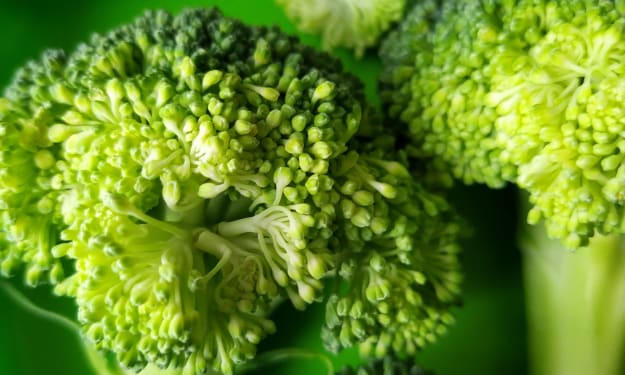
"Broccoli's Protein Power: A Plant-Powered Revelation".
Introduction: In the world of nutrition, certain truths are held as self-evident—the notion that steak, with its robust and savory profile, reigns supreme as a protein powerhouse. However, hidden within the realm of vegetables, a green cruciferous contender challenges this conventional wisdom. Broccoli, often cast in a supporting role on dinner plates, emerges as a surprising force in the protein arena, containing more of this essential macronutrient than its meaty counterpart. In this exploration, we delve into the nutritional landscape of broccoli, unraveling the protein-packed reality that positions it as a formidable alternative to traditional sources.
By fatima zahra ajankar2 years ago in Humans
Whiskey At Dusk
Guess the whiskey was more important to you in the end, wasn’t it? It was more than the well-being of your friends; more vital than showing up to the places you promised you would and could come to; more critical of a matter than fulfilling your damn responsibilities and getting the press off your back.
By Snarky Lisaa day ago in Humans
Rage
Content Warning: Domestic Violence, Assault Rage D. A. Ratliff “Who did this?” My voice echoed through the house. All I wanted was a cup of tea, but one of the twins, running through the house like maniacs, knocked it over. My nerves tingled, and every muscle in my body felt coiled like a spring. Survival seemed out of reach.
By D. A. Ratliff7 days ago in Fiction



Comments
There are no comments for this story
Be the first to respond and start the conversation.