
PERFUME COULD SAVE YOUR LIFE?
Let's explore this one ingredient!
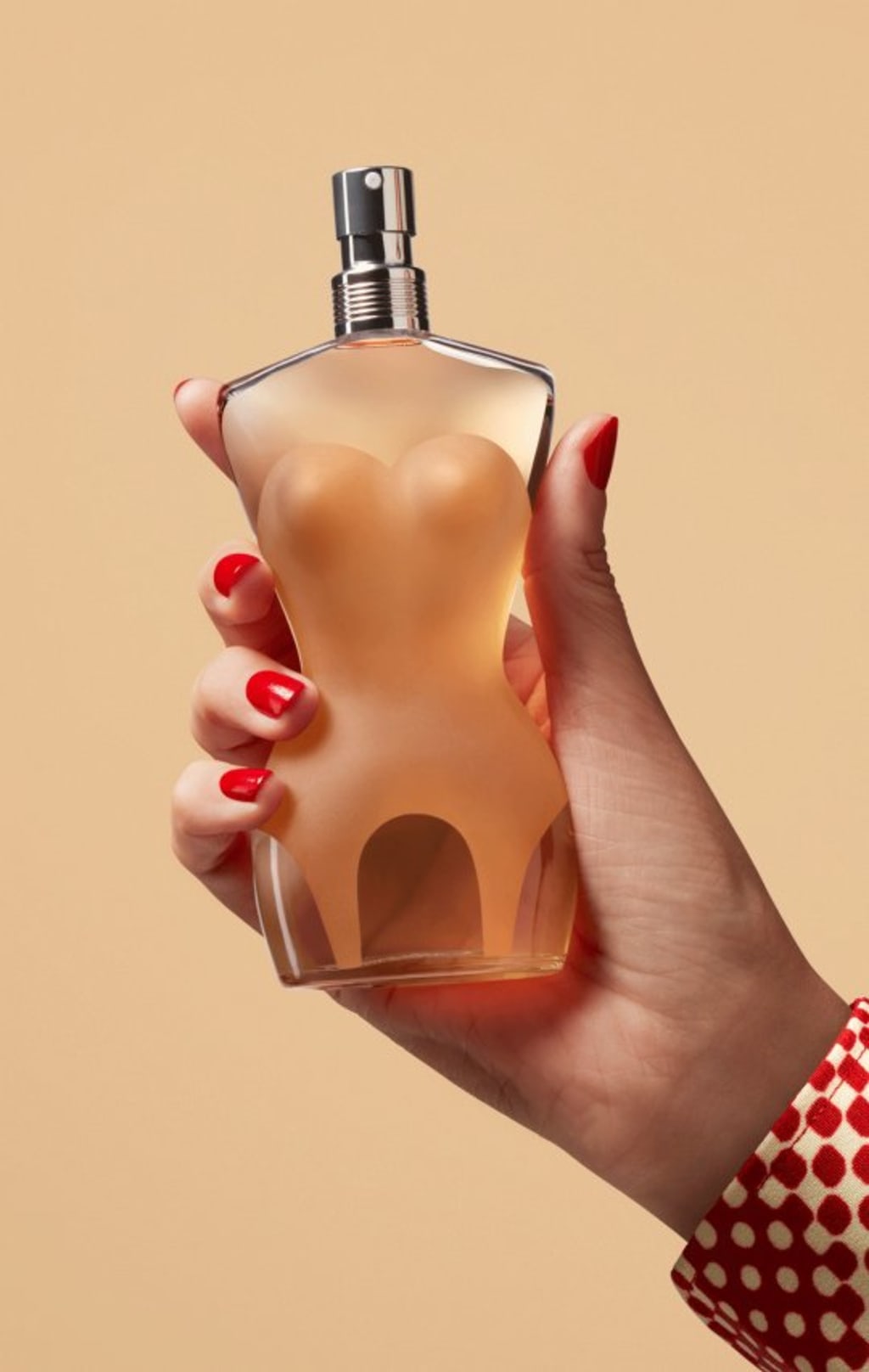
Bleeding from a major injury can be even worse than you think.
Obviously, it’s dangerous that you’re losing a lot of blood,
but massive blood loss can also be dangerous because of blood coagulating in the wrong place: inside blood vessels far from the site of injury.
This is not ideal when doctors are attempting to save a life and or someone suffering from serious injuries. So, let’s explore why this process really happens.
One research group suggests there's hope from an ingredient used in the very thing that adds to our natural fragrance – perfume!
Blood clotting is tightly controlled in the body. Too little is bad, because it means you will continue bleeding if you get cut, however, too much can lead to clots forming in the bloodstream. This could potentially block blood vessels and leading to organ damage. Each extreme even has a genetic disorder to go with it: hemophilia for too little clotting, thrombophilia for too much. You really do want to be in that Goldilocks middle.
So, you would think the case of blood loss is firmly in “too little” territory, but blood clotting is weird. Patients with heavy bleeding, say from traumatic injury, can sometimes also experience coagulopathy, where you can get too much clotting, too little, or sometimes even both. Injury was the leading cause of death in people ages one to 44 in the US in 2019.
Although coagulopathy doesn’t happen in all cases of injury, it’s still a problem in many trauma patients. The thing is, we’re still not sure what causes coagulopathy, but recent research points to something called glycocalyx being involved. The endothelial glycocalyx is a coating made from protein and sugars that lines the inside of blood vessels. It’s essentially an anti-blood-clotting coat, separating blood from the so-called endothelial cells that make up the blood vessel tubes. If glycocalyx gets separated from the endothelial cells it’s anchored to, those cells basically become platforms for clot formation. This sort of makes sense: if the body detects shed bits of glycocalyx, that could mean injury to the blood vessel; so clotting would be the appropriate response. The problem is that glycocalyx shedding can happen in places far away from the primary injury. In trauma patients who have suffered massive blood loss, it seems to happen when cells are deprived of oxygen for a while and suddenly get oxygenated again. In addition to hemorrhaging, these patients could have glycocalyx shedding, leading to dangerous clotting in other parts of the body. That is, coagulopathy.
But why would getting oxygen back be a bad thing? In a 2023 study published in Science Advances, a research group suggested the molecule succinate, and the enzyme succinate dehydrogenase, may be key players here. Basically, succinate is part of normal energy production in the mitochondria, which use oxygen and some raw materials in a cycle to generate energy. Without oxygen, the cycle gets stuck, and succinate builds up in endothelial cells. When cells get oxygen again, the succinate is rapidly moved along to the next step in the cycle by succinate dehydrogenase. None of that has to do with coagulopathy, exactly, but the fun part is that this reaction has byproducts called reactive oxygen species, or ROS for short, and they very much do. These are pretty much what it says on the tin: they contain oxygen, they’ll react with whatever’s closest, and they’re generally a nuisance. Normally cells can deal with that, but with a build-up of succinate, there are suddenly higher levels of ROS than cells can handle. There’s a lot going on, but basically, ROS led to a series of bad chemical reactions that eventually lead endothelial cells to cut loose the glycocalyx from their surface. Leaving the cells exposed and liable to become sites of clot formation. Moreover, the shed glycocalyx pieces can cause a different problem. Their anti-clotting properties can prevent clotting elsewhere in the body, so you’ve got too little and too much clotting all at once. In that 2023 study, the researchers used a molecule to block the succinate dehydrogenase enzyme both in vitro and in rodent models. They showed this could prevent glycocalyx shedding, and ease coagulopathy. Without the molecule, more than 50% of rats in their experiments died from coagulopathy complications following injury. But in rats treated with the molecule following injury, there was 100% survival. This molecule was dimethyl malonate, or DMM, a compound widely used in perfume-making to create jasmine-smelling fragrances. The research also showed that succinate and glycocalyx damage was elevated in trauma patients with coagulopathy, just like in the rodent model, so DMM may point towards a treatment in humans too. Blood clotting is complicated, and there are many other factors that can lead to things going out of balance, so fixing glycocalyx shedding is likely just one piece of the puzzle.
Still, DMM worked well enough in these models to be encouraging, and that could mean it has potential as a therapeutic tool.
The authors don’t go so far as to propose DMM for human use. It’s not a drug and has never been tested as one.
So, we would need to find out if it’s even safe to give to people, never mind effective. Or we’d have to develop something else, say a new drug to block succinate dehydrogenase, based on this lead.
Still, if it checks out, the scent of jasmine flowers could signal hope for people with severe bleeding – great news for patients and doctors everywhere.
About the Creator
Keep reading
More stories from writers in Humans and other communities.
The Angry Man in Your House
"If you grow up with an angry man in your house, there will always be an angry man in your house" This statement has caused plenty of controversy online, people say its a statement that blames victims while also undermining those who break traumatic cycles to form health relationships... but if I'm honest now that I'm in my 30s it makes more sense to me than ever, and I'd argue that its not just about fathers and uncles.
By S. A. Crawforda day ago in Humans
A Dying Voice
I could be writing this differently. In fact, I contemplated structuring it as a letter to myself when I first joined Vocal, filling it with warnings and a list of all the ways I’d come to regret publishing here. Then, I considered the tone of such an address and saw it bursting with sarcasm and bite. I don’t want to write that.
By Mackenzie Davis4 days ago in Humans
Choose Your Own Adventure: St Helena Station
*****Preface***** I have been obsessed with Choose Your Own Adventure stories since I was a kid. I credit them with my love of reading and writing. I've been struggling to get my own kids to embrace words the same way I have but they love video games and our occasional Dungeon's and Dragon's game... which gave me an idea. I'll write an interactive story. So far its working; my middle son loves it and can't wait for the next section to come out.
By Sandor Szabo4 days ago in Fiction



Comments