
Pakistani Culture: A Beautiful Blend of Tradition and Diversities
"A Journey Through Pakistan's Languages, Traditions, Festivals, Fashion, Food, and Art — Celebrating the Soul of a Diverse Nation."
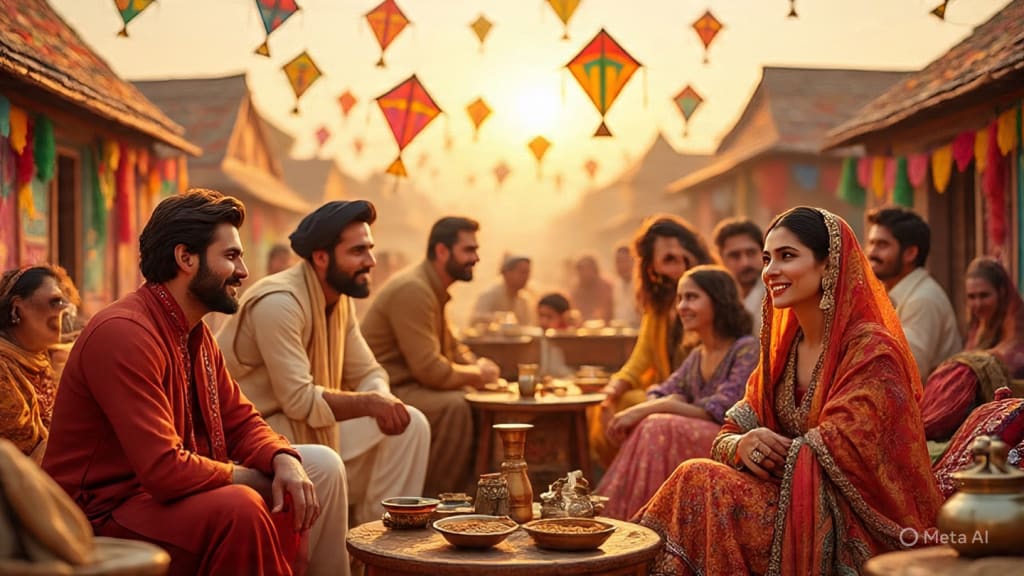
Pakistani Culture: A Beautiful Blend of Tradition and Diversities
Pakistan is a land of vibrant traditions, colorful customs, and deep-rooted values. Its culture is a fascinating blend of various ethnicities, languages, cuisines, music, dress styles, and religious beliefs. From the snow-covered mountains of the north to the deserts of Sindh, every corner of Pakistan tells a different story.
Pakistani culture is not just about beautiful clothes or delicious food — it is about how people live, connect, celebrate, and support each other. In this article, we will explore the key elements of Pakistani culture and understand what makes it truly unique and rich.
1. The Diversity of Languages
Pakistan is home to more than 70 spoken languages, but the major ones include Urdu (national language), Punjabi, Sindhi, Pashto, Balochi, and Saraiki.
Urdu is the official language and acts as a bridge between different regions.
Punjabi is widely spoken in Punjab and is known for its rich poetry and Sufi influence.
Pashto represents the fierce and honorable culture of Khyber Pakhtunkhwa.
Sindhi is ancient and poetic, closely tied to the Indus Valley Civilization.
Balochi reflects nomadic and tribal life with strong values of loyalty and hospitality.
This linguistic diversity reflects how culturally rich the country is — people express their identity proudly through their language.
2. Family System and Social Life
Family is the heart of Pakistani society. The joint family system is still common, where grandparents, parents, uncles, aunts, and cousins often live under one roof or very close by.
Respect for elders is deeply ingrained. Elders make key decisions, and youngsters seek their advice.
Hospitality is unmatched. Guests are treated with warmth and often served the best food in the house, even if it means extra effort.
In rural areas, people often help each other in farming or daily chores. In cities, social gatherings such as weddings, religious events, or even evening tea sessions play a huge role in bonding.
3. Traditional Dress and Style
Pakistani clothing is elegant, colorful, and varies by region.
Shalwar Kameez is the national dress worn by both men and women.
Sindhi Ajrak and Topi, Balochi embroidered dresses, Punjabi turbans, and Pashtun caps (Pakol) represent regional pride.
Women often wear dupatta, bangles, henna (mehndi), and embroidery, especially during festivals or weddings.
The styles may be changing in urban areas, but traditional dress remains a symbol of cultural identity and pride.
4. Music and Dance
Pakistani music ranges from Sufi qawwalis to modern pop, and from classical ragas to folk songs.
Nusrat Fateh Ali Khan, Abida Parveen, and Mehdi Hassan are iconic voices in Sufi and classical music.
Folk dances like Bhangra (Punjab), Attan (KPK), Jhumar (Sindh), and Lewaa (Balochistan) are performed during festivals and weddings.
Modern platforms like Coke Studio blend traditional and contemporary music, showcasing Pakistan’s musical talent globally.
Music is not just entertainment; it reflects emotions, identity, and spiritual devotion.
5. Festivals and Celebrations
Pakistani culture is full of colorful festivals, both religious and cultural.
Eid-ul-Fitr and Eid-ul-Adha are the most celebrated festivals where people wear new clothes, visit family, share food, and give charity.
Eid Milad-un-Nabi, Shab-e-Barat, and Ashura are observed with religious devotion.
Basant (kite festival) was once a grand event in Punjab, celebrated with music and colors.
Regional festivals like Sindh Cultural Day, Chilam Joshi (Kailash Festival), and Sibi Mela highlight the diversity of ethnic cultures.
Weddings in Pakistan are also full of traditions like Mehndi, Dholki, Nikkah, and Walima, which last for several days.
6. Pakistani Cuisine
Food is an essential part of Pakistani culture, rich with spices, flavors, and variety.
Biryani, Nihari, Haleem, Karahi, Chapli Kebab, Sajji, and Paya are some mouth-watering dishes.
Roti and naan are everyday staples.
Sweet dishes like Gulab Jamun, Jalebi, Kheer, and Ras Malai are served on special occasions.
Tea or “Chai” is a national obsession — whether it’s early morning or midnight, chai binds people together.
Every region adds its own flavor and method, which makes Pakistani cuisine world-famous.
7. Religious Harmony and Cultural Values
While Islam is the main religion, Pakistan is also home to Christians, Hindus, Sikhs, and others. Over time, interfaith harmony has been promoted through shared traditions and respect for each other's beliefs.
Pakistani values include:
Respect for elders
Hospitality
Loyalty
Generosity
Courage
These values are taught from childhood and reinforced through stories, religion, and everyday life.
8. Art, Literature, and Crafts
Pakistan’s literary history is rich with poets like Allama Iqbal, Faiz Ahmed Faiz, and Parveen Shakir. Urdu poetry, especially ghazals, is loved across generations.
Traditional crafts include:
Truck art: Colorful, decorative vehicles known worldwide.
Blue pottery of Multan
Hand-embroidery of Sindh and Balochistan
Wood carving in Chiniot
Calligraphy in mosques and manuscripts
These crafts are not just beautiful — they’re a way of preserving history and creativity.
Conclusion
Pakistani culture is a treasure trove of traditions, languages, values, and art. Despite modern influences and global changes, the heart of Pakistan remains deeply connected to its roots.
In every smile, every cup of chai, every wedding song, and every village gathering — you’ll find warmth, love, and a sense of belonging that is uniquely Pakistani.
Whether you're a visitor or a proud citizen, experiencing Pakistani culture is like stepping into a living story — one that welcomes you with open arms and leaves you with unforgettable memories.
About the Creator
Noor Salam
✍️ Pakistani writer sharing motivational stories, Islamic reflections, and online earning tips in English & Urdu. I believe in the power of words to inspire, guide, and create impact. 🇵🇰
Keep reading
More stories from Noor Salam and writers in Humans and other communities.
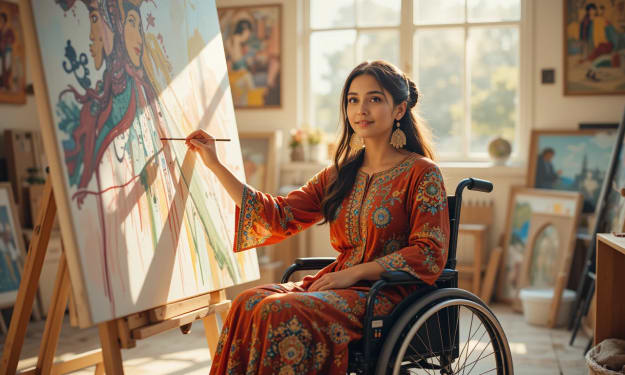
Muniba Mazari: The Woman Who Never Broken
Muniba Mazari: The Woman Who Never Broken When you hear the name Muniba Mazari, one word comes to mind — resilience. She is not just a name in Pakistan; she is a symbol of strength and courage for people across the world. As Pakistan’s first wheelchair-bound TV host, a celebrated artist, and an internationally recognized motivational speaker, Muniba’s story proves that even life’s darkest moments can be turned into the brightest light.
By Noor Salam7 months ago in Motivation
Ludacris and Nelly draw backlash over bookings at MAGA-coded music festival
Ludacris and Nelly headlining a mostly right-wing event is good for them. It’s also great for the genre of hip hop. The two rap veterans have showcased their talents on other stages. Why can’t they perform for mostly MAGA folks and grab that bag?
By Skyler Saunders3 days ago in Beat



Comments
There are no comments for this story
Be the first to respond and start the conversation.