
Paint to Heal
The Silent Power of Colors on a Broken Mind

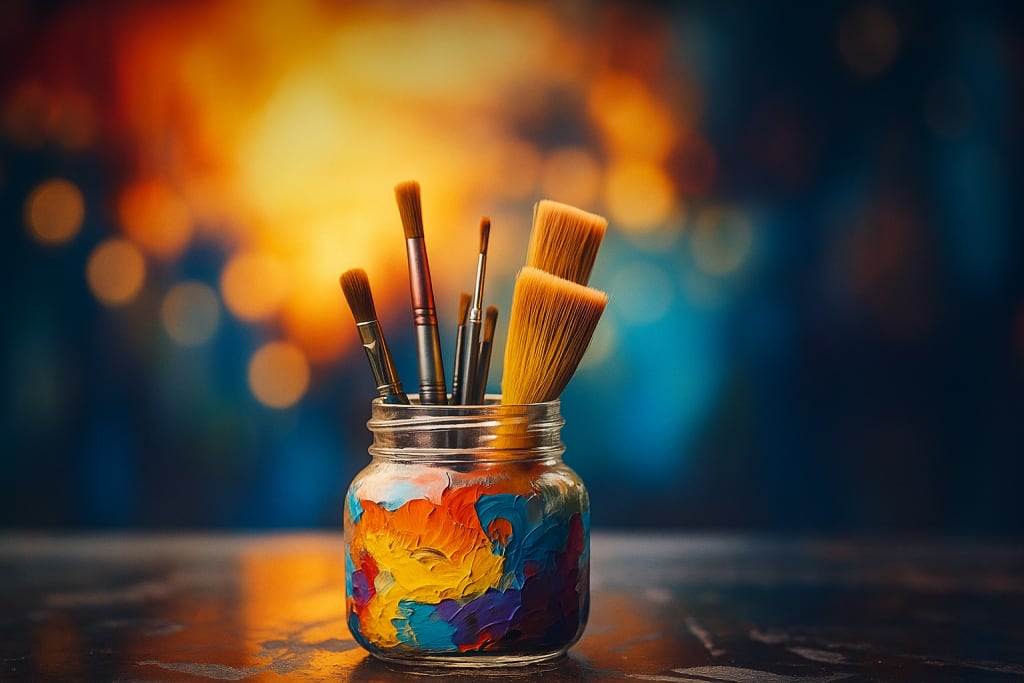
The brush trembled in her hand. The canvas stared back—blank, expectant. With a single streak of blue, something shifted. It wasn't just art. It was survival.
In a world often obsessed with words and diagnosis, one quiet revolution is spreading healing in strokes, smudges, and splashes: painting. Long considered a creative hobby or a fine art form, painting has now emerged as a profound therapeutic tool for emotional and psychological healing. From trauma survivors to everyday people battling stress and anxiety, more are turning to paint—not for perfection, but for peace.
The Psychology of Color and Creation
There's something primal about painting. Before children can speak fluently, they pick up crayons. Before writing systems existed, early humans recorded their lives with pigments on cave walls. Why? Because the act of creating—especially through color—is wired into our emotional core.
Psychologists have found that engaging in artistic expression, particularly painting, stimulates the brain's reward pathways. Colors, in particular, tap into deep subconscious responses. Blue calms. Yellow energizes. Red ignites passion. Black processes grief. A canvas becomes a mirror, reflecting what the mouth often struggles to articulate.
When Words Aren’t Enough
Talk therapy, while effective, sometimes hits a wall—especially with individuals struggling to verbalize trauma. This is where art therapy steps in.
Take Mia, a war refugee who hadn’t spoken for months. Standard therapy had made no progress. But when handed a set of watercolors, something unexpected happened. Her first painting was a swirl of dark clouds and broken shapes. Over weeks, her art evolved—sunlight crept in, the shadows softened. She still didn’t say much, but she smiled. And in that silent journey of painting, she began to heal.
This isn't magic—it's neuroscience. Art bypasses the language centers of the brain and taps directly into the limbic system, where emotions live. For PTSD patients, stroke survivors, and even those battling depression, painting creates a safe detour around verbal trauma.
Painting in the Age of Mental Burnout
In our high-speed, screen-obsessed lives, mental fatigue is more common than ever. Stress bleeds into every corner—work, relationships, even sleep. While mindfulness apps and yoga retreats offer solutions, painting offers something simpler and more intimate: presence.
When you paint, your brain enters a flow state—a meditative zone where time slows down. It's just you, the canvas, and color. Problems still exist, but they lose their edge. For that moment, you're not a professional, a parent, a patient—you’re an artist. That identity, no matter how temporary, is powerful.
In Japan, companies now offer “art hours” during workdays. In Scandinavian countries, some therapists prescribe painting instead of medication for mild depression. The results? Lower anxiety, improved focus, and a renewed sense of self-worth.
Not About Talent—It’s About Release
One of the biggest myths about painting for healing is that you need to be good at it. That couldn’t be further from the truth. Healing art isn’t about technique. It’s about release.
You can pour anger into red slashes, or blend your sadness into moody purples. You can make messy shapes, wild textures, or just cover the whole canvas in one color. There are no grades. No critics. Just expression.
This freedom is, in itself, deeply healing. In a world where we're constantly judged—by others and ourselves—painting gives us permission to let go.
The Rise of Community Healing Through Art
Beyond the individual, painting is also building bridges in communities. In places struck by disaster, art projects bring people together. Murals rise where buildings once fell. Children paint their hopes on walls. Strangers become collaborators.
Programs like "Paint to Heal" in hospitals, prisons, and refugee camps are spreading globally. They don’t just reduce stress—they restore dignity. When people see their work valued, displayed, or even just respected, they begin to see themselves differently too.
Your Healing Is Waiting—Pick Up the Brush
You don’t need a studio. You don’t need a fancy kit. Just a few colors, a brush, or even your fingers. Let go of the need to plan or impress. Let instinct guide your hand. Paint when you’re sad. Paint when you’re angry. Paint when you don’t know what you feel. And watch as your inner landscape shifts.
Because sometimes, what your heart can’t say, your colors can.
About the Creator
USAMA KHAN
Usama Khan, a passionate storyteller exploring self-growth, technology, and the changing world around us. I writes to inspire, question, and connect — one article at a time.
Keep reading
More stories from USAMA KHAN and writers in Humans and other communities.


Comments (1)
I feel like i am alone in this world after reading this