
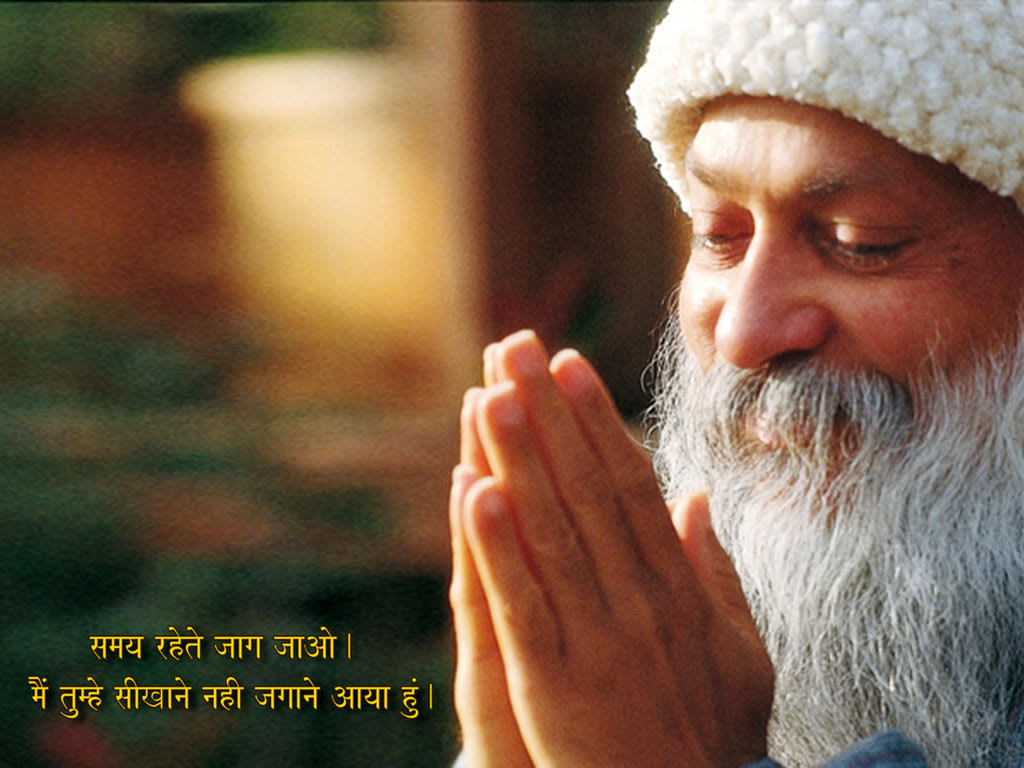
Osho, also known as Bhagwan Shree Rajneesh, was a spiritual leader and mystic who gained international prominence in the 1970s and 1980s. He was born on December 11, 1931, in a small village called Kuchwada in the state of Madhya Pradesh, India. His birth name was Chandra Mohan Jain.
Osho came from a Jain family, a religious minority in India. His father, Babulal Jain, was a cloth merchant, and his mother, Saraswati Bai Jain, was a homemaker. As a child, Osho was rebellious and had a questioning mind, often challenging religious and social norms. He showed a deep interest in spirituality and meditation from an early age.
After completing his primary education in Kuchwada, Osho went on to study at Hitkarini College in Jabalpur. He earned a bachelor's degree in philosophy and later obtained a master's degree in philosophy from the University of Sagar.
In 1951, at the age of 19, Osho began teaching philosophy at the prestigious Raipur Sanskrit College. During this time, he also delved deeper into the study and practice of various spiritual traditions, including Hinduism, Buddhism, Sufism, and Zen.
In 1953, Osho experienced a profound spiritual awakening that he described as a state of enlightenment or self-realization. This event marked a significant turning point in his life and became the foundation for his teachings in the years to come.
In the 1960s, Osho started conducting meditation camps and delivering discourses on spiritual topics. He gained a following of individuals seeking spiritual growth and liberation. Osho emphasized the importance of meditation, self-awareness, and embracing all aspects of human experience, including sexuality.
Osho's teachings and unconventional approach to spirituality attracted both admiration and controversy. He challenged traditional religious and social norms, leading to clashes with authorities in India. In the 1980s, he faced legal troubles, including a high-profile case involving allegations of immigration fraud and bio-terrorism in the United States.
Osho eventually moved to Pune, India, where he established the Osho International Meditation Resort, a spiritual community that attracted thousands of followers from around the world. He continued teaching and speaking until his death on January 19, 1990, at the age of 58.
Today, Osho's teachings and writings continue to inspire and influence people worldwide, with many of his books still in circulation and his meditation techniques practiced by individuals seeking spiritual growth and self-realization.
Osho was a prolific writer, and he authored over 600 books covering a wide range of topics related to spirituality, meditation, psychology, relationships, and personal growth. Here are some notable books by Osho:
1. "The Book of Secrets" (also known as "Vigyan Bhairav Tantra"): This book presents Osho's commentary on a ancient text that describes 112 meditation techniques. It offers insights into meditation practices from different spiritual traditions.
2. "Courage: The Joy of Living Dangerously": In this book, Osho explores the concept of courage and encourages readers to embrace life fully, free from fear and limitations. He shares his insights on taking risks and living authentically.
3. "Love, Freedom, and Aloneness: The Koan of Relationships": Osho examines the complexities of modern relationships, addressing topics like love, intimacy, freedom, and the balance between individuality and togetherness.
4. "Meditation: The First and Last Freedom": This book provides guidance on various meditation techniques and explores the transformative power of meditation in attaining inner peace and self-realization.
5. "Awareness: The Key to Living in Balance": Osho emphasizes the importance of awareness and mindfulness in living a balanced and fulfilled life. He offers practical techniques and insights to develop greater awareness.
6. "The Art of Living and Dying": Osho shares his perspectives on life and death, exploring the spiritual dimensions of both. He offers insights into embracing mortality and living fully in the present moment.
7. "The Psychology of the Esoteric": This book delves into the realm of esoteric psychology, exploring the deeper aspects of the human mind and consciousness. Osho provides insights into the nature of desires, ego, and the path to self-transcendence.
8. "Zen: The Path of Paradox": Osho offers an exploration of Zen Buddhism, discussing its core teachings, practices, and the paradoxical nature of Zen. He presents Zen stories and koans to provoke insights and understanding.
9. "Intimacy: Trusting Oneself and the Other": This book examines the dynamics of intimacy and trust in relationships. Osho explores how to develop self-trust and open up to authentic connections with others.
10. "The Book of Wisdom": Osho shares his insights on various aspects of life, including love, meditation, silence, and the nature of consciousness. It offers profound wisdom and inspiration for personal growth.
These are just a few examples of Osho's extensive body of work. His books are known for their provocative and thought-provoking content, challenging conventional beliefs and inviting readers to explore their own inner journey.
About the Creator
Keep reading
More stories from Balajiraj Tharmarajan and writers in Humans and other communities.
Adolf Hitler
Adolf Hitler was a German politician and leader of the Nazi Party. He was born in Austria in 1889 and rose to power in Germany during the 1930s. Hitler's aggressive foreign policies led to the outbreak of World War II, and he oversaw numerous war crimes and atrocities, including the Holocaust, during his time in power.
By Balajiraj Tharmarajan 3 years ago in Motivation
Whiskey At Dusk
Guess the whiskey was more important to you in the end, wasn’t it? It was more than the well-being of your friends; more vital than showing up to the places you promised you would and could come to; more critical of a matter than fulfilling your damn responsibilities and getting the press off your back.
By Snarky Lisa4 days ago in Humans
Wounds of Relationship
At a wedding, I encountered an old acquaintance. She greeted me warmly, and I sat nearby. From the moment she saw me, it was clear she was delighted. She said she had been wanting to meet me for a long time, expressing a mixture of joy and relief at finally getting the chance.
By Sudais Zakwanabout 13 hours ago in Humans




Comments
There are no comments for this story
Be the first to respond and start the conversation.