
Nurturing Cultural Identity
Embracing Diversity in a Globalized World

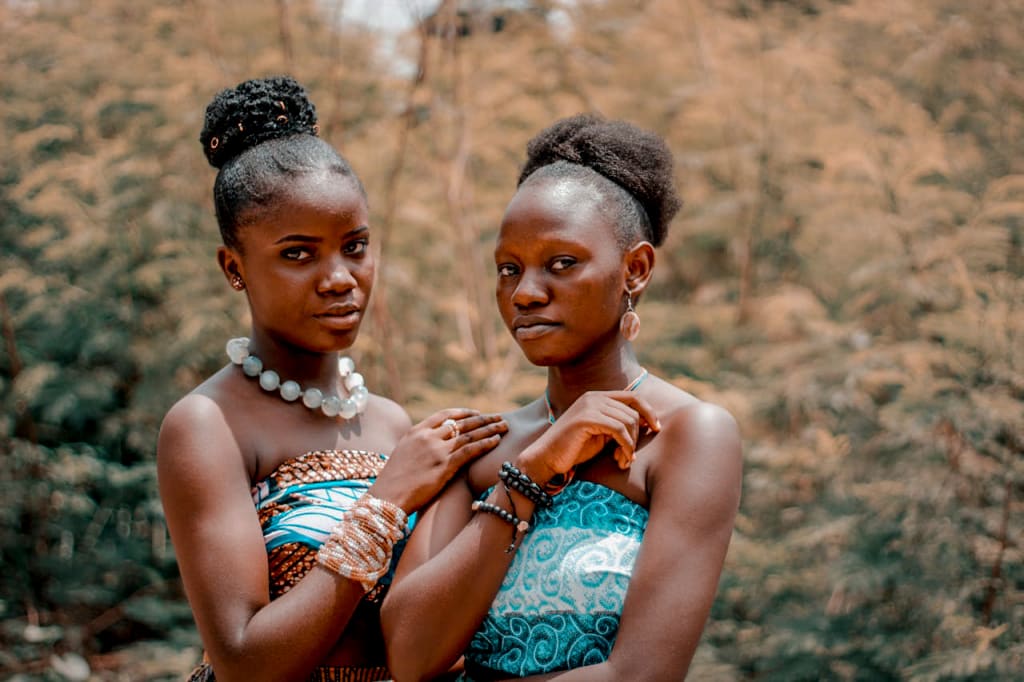
In today's interconnected world, the concept of cultural identity holds significant importance. It's a fundamental aspect of who we are, shaping our beliefs, values, and behaviors. As globalization continues to blur geographical boundaries and bring diverse cultures into contact, the preservation and celebration of cultural identity become crucial for maintaining individual and collective well-being.
Understanding Cultural Identity
Cultural identity encompasses the shared values, traditions, language, and customs that define a particular group or community. It's not static but rather dynamic, evolving over time as individuals interact with their environment and other cultures. At its core, cultural identity provides a sense of belonging and continuity, anchoring individuals amidst the complexities of modern life.
The Significance of Cultural Diversity
Diversity is the cornerstone of cultural identity, enriching societies with a tapestry of perspectives, experiences, and traditions. Embracing cultural diversity fosters empathy, understanding, and mutual respect among individuals from different backgrounds. It promotes innovation and creativity by encouraging the exchange of ideas and practices across cultures.
Challenges to Cultural Identity
Despite its importance, cultural identity faces numerous challenges in today's globalized world. Cultural homogenization, driven by mass media, consumerism, and Westernization, threatens to erode unique cultural traditions and practices. Additionally, migration, displacement, and diaspora communities grapple with maintaining their cultural identity while adapting to new environments.
Nurturing Cultural Identity
Preserving and nurturing cultural identity requires a concerted effort from individuals, communities, and policymakers. Education plays a crucial role in promoting cultural awareness and appreciation from an early age. By incorporating diverse perspectives into school curricula and promoting multicultural events, educational institutions can foster an inclusive environment that celebrates differences.
Celebrating Cultural Heritage
Cultural heritage serves as a repository of collective memory and identity, connecting present generations with their ancestors' traditions and achievements. Investing in the preservation of cultural artifacts, monuments, and intangible heritage, such as oral traditions and folk music, ensures that future generations can continue to learn from and appreciate their cultural roots.
Empowering Marginalized Communities
Marginalized communities, including Indigenous peoples, ethnic minorities, and immigrant populations, often face challenges in asserting their cultural identity in the face of systemic discrimination and marginalization. Empowering these communities through equitable access to resources, representation in decision-making processes, and support for cultural revitalization efforts is essential for preserving cultural diversity and promoting social justice.
Promoting Intercultural Dialogue
Building bridges of understanding and cooperation between different cultural groups requires open and respectful communication. Intercultural dialogue provides a platform for individuals to share their experiences, exchange ideas, and address misconceptions and stereotypes. By promoting intercultural understanding, societies can mitigate conflicts and foster peaceful coexistence.
Conclusion
In a world where cultural diversity is both a source of richness and a potential source of tension, nurturing cultural identity is paramount. By embracing diversity, celebrating cultural heritage, empowering marginalized communities, and promoting intercultural dialogue, we can create inclusive societies where individuals feel valued and respected for their unique identities. In doing so, we not only preserve the richness of human culture but also lay the foundation for a more harmonious and equitable future.
In conclusion, nurturing cultural identity is not merely an endeavor to preserve the past; it's an investment in the future of humanity. By embracing and celebrating cultural diversity, we enrich our collective tapestry, fostering a world where every individual feels valued and respected for their unique heritage. As we navigate the complexities of globalization and rapid social change, it's imperative to recognize the intrinsic worth of each cultural tradition and the wisdom it carries. By empowering marginalized communities, promoting intercultural dialogue, and fostering a spirit of inclusivity, we can build societies that thrive on the richness of their diversity. In doing so, we honor the past, enrich the present, and pave the way for a more harmonious and equitable future for generations to come.
About the Creator
Mohamed Ali
Mohamed Ali is a passionate writer and researcher with a keen interest in exploring the complexities of human behavior and society through the lens of sociology. With a background in sociology and psychology.
Keep reading
More stories from Mohamed Ali and writers in Humans and other communities.
Preserving Heritage, Defying Erasure
In the tapestry of human history, cultural revival and resistance emerge as powerful narratives of resilience, identity, and defiance against forces of assimilation and erasure. From indigenous communities reclaiming ancestral traditions to marginalized groups asserting their agency through art and activism, these movements embody the enduring spirit of cultural heritage preservation. In this exploration, we delve into the significance of cultural revival and resistance in nurturing cultural diversity and challenging hegemonic narratives.
By Mohamed Ali2 years ago in Humans
The Therian Movement
In recent years, online spaces like TikTok, YouTube, and Reddit have helped bring attention to a niche but growing subculture known as the *therian movement*. While the idea may seem unusual at first glance, the movement reflects broader cultural trends around identity exploration, online communities, and how young people interpret their place in the world. Understanding what is behind the therian movement—and how it may influence younger generations—requires looking beyond the surface to the psychological, social, and digital factors that sustain it.
By AnthonyBTV4 days ago in Humans


Comments
There are no comments for this story
Be the first to respond and start the conversation.