
Neuralink: Are We Ready to Become Cyborgs, or Is This Just Sci-Fi Hype?
A deep dive into the fusion of human consciousness and technology—its promises, risks, and ethical dilemmas

The Brain-Machine Revolution: A Doctor's Perspective
I remember the first time I watched a patient slip into unconsciousness under anesthesia. It struck me how fragile yet complex the human brain is—capable of immense creativity and intelligence, yet so easily disrupted. As an anesthesiologist, I navigate the fine line between consciousness and oblivion daily. And now, Elon Musk’s Neuralink aims to take this a step further: directly integrating technology into the brain.
Is this the dawn of human enhancement, or are we blindly stepping into a cybernetic dystopia?
Neuralink: What It Is and How It Works
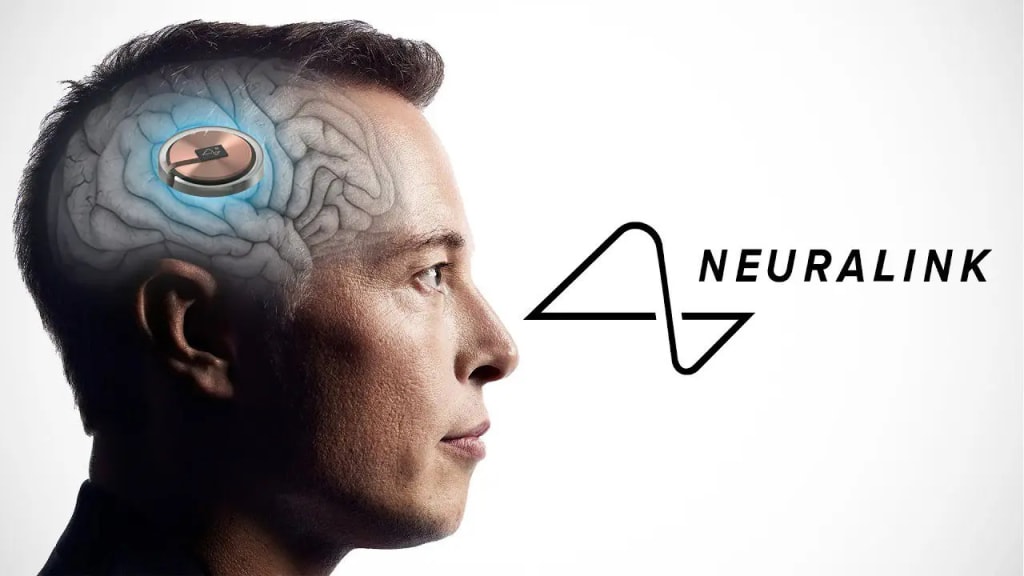
Neuralink is Musk’s ambitious venture into brain-computer interfaces (BCIs). The goal? To implant a high-bandwidth chip into the brain, allowing direct communication between neurons and external devices. This could revolutionize medicine—helping paralyzed patients regain mobility, treating neurological disorders, and even allowing seamless human-AI interaction.
The core technology involves ultra-thin electrodes, implanted by a robotic surgeon to minimize tissue damage. These electrodes pick up neural signals, which are then decoded and transmitted to an external device. In essence, Neuralink aims to turn thought into action—literally.
But beyond medical breakthroughs, what happens when we start enhancing, rather than just repairing, the brain?
The Medical Potential: A Lifeline for Neurological Disorders
From an anesthesiologist’s standpoint, I see how devastating conditions like ALS, Parkinson’s, and spinal cord injuries can be. Current treatments are limited—drugs can only do so much, and surgery is often high-risk. Neuralink could offer a radical new approach: bypassing damaged neural pathways and restoring lost functions.
Imagine a quadriplegic patient moving a robotic arm through thought alone, or an Alzheimer's patient regaining memory access. Early trials on primates show promising results. If successful in humans, it could change the landscape of medicine forever.
Beyond Disease: Cognitive Enhancement?
But what if Neuralink goes beyond healing? Could it boost intelligence, enhance memory, or even regulate emotions? BCIs could help treat mental illnesses like depression and PTSD by directly stimulating certain brain regions. Others fear a future where the wealthy enhance their cognitive abilities while others are left behind.
The Ethical Dilemma: Human Enhancement or Technological Overreach?
At what point does a medical tool become a tool for human augmentation? If Neuralink can restore lost function, could it also enhance intelligence, memory, or even emotion regulation? And if so, who gets access? The ultra-rich? The military? Will a “neural elite” emerge, leaving the unenhanced behind?
This raises profound ethical concerns:
- Cognitive inequality: Could BCIs widen the gap between the enhanced and the non-enhanced?
- Loss of autonomy: If our thoughts are digitized, can they be hacked or manipulated?
- Privacy risks: Who owns the data from our brains? If corporations control this technology, could they profit from our neural activity?
As someone deeply involved in patient care, I worry that the rush for technological progress might overlook these crucial human factors.
And yet, we cannot ignore the sheer scale of what’s coming—especially in the economic and military spheres.
The Cyber-Warfare and Economic Battle Ahead
Countries are already racing to dominate AI and biotechnology. A functional brain-computer interface could be the next arms race. Imagine soldiers with enhanced reaction times, CEOs making data-driven decisions at lightning speed, or governments using BCIs for surveillance. The implications stretch beyond medicine into geopolitics and global power dynamics.
Who Controls the Future of BCIs?
Some experts argue that if Neuralink doesn’t move forward, a less ethical entity might take its place. China and the U.S. are heavily invested in BCI research. Ethical debates may slow Neuralink, but other nations may not share the same concerns.
A Doctor’s Take: Hope, Skepticism, and a Call for Caution
I believe in the potential of medical innovation, but I also know how often unintended consequences arise. As a doctor, I’ve seen groundbreaking treatments turn into cautionary tales. Neuralink’s promise is exhilarating, but it must be approached with caution.
Before integrating technology into our brains, we must answer:
- Who controls the tech?
- What safeguards prevent abuse?
- How do we ensure accessibility and fairness?
Neuralink could either be humanity’s next great leap or its biggest ethical disaster. The responsibility lies with all of us—scientists, policymakers, and everyday citizens—to shape its trajectory wisely.
Conclusion: Are You Ready for the Neural Age?
The future is coming fast. Neuralink may soon force us to redefine what it means to be human. Will we embrace it, regulate it, or resist it? One thing is certain: the conversation has only just begun.
What do you think? Would you get a brain chip? Let’s discuss in the comments.
About the Creator
Alain SUPPINI
I’m Alain — a French critical care anesthesiologist who writes to keep memory alive. Between past and present, medicine and words, I search for what endures.
Keep reading
More stories from Alain SUPPINI and writers in Humans and other communities.
Mastering French Without Losing Your Sanity: A Realistic Guide for Beginners
Learning French can feel like solving a Rubik’s Cube blindfolded. The tricky pronunciation, the never-ending grammar rules, and the surprising exceptions make it seem impossible. But don’t worry—equipping yourself with key expressions and effective strategies can turn frustration into fluency. Let’s simplify French and make learning enjoyable.
By Alain SUPPINIExclusive • 11 months ago
Ludacris and Nelly draw backlash over bookings at MAGA-coded music festival
Ludacris and Nelly headlining a mostly right-wing event is good for them. It’s also great for the genre of hip hop. The two rap veterans have showcased their talents on other stages. Why can’t they perform for mostly MAGA folks and grab that bag?
By Skyler Saunders2 days ago in Beat




Comments
There are no comments for this story
Be the first to respond and start the conversation.