
Navigating the Trade Waters: President Trump's Pursuit of a Fair Deal with China
Tariffs and trade imbalances

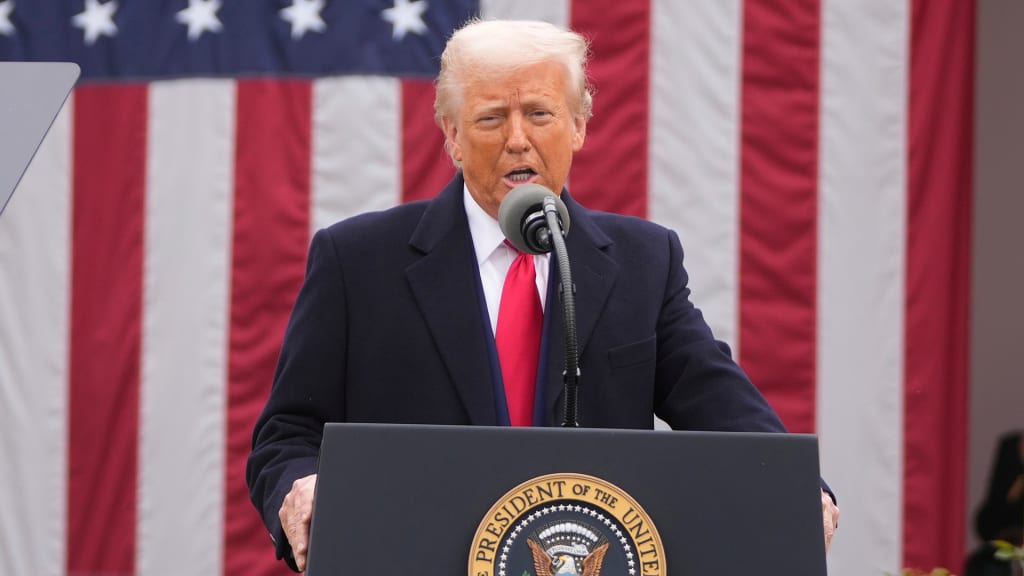
In the realm of international trade, few relationships have been as scrutinized and impactful as that between the United States and China. Under President Donald Trump's administration, this dynamic underwent significant shifts, marked by a fervent push for what he termed a "fair" trade deal. This article delves into the intricacies of the U.S.-China trade negotiations during Trump's tenure, highlighting key developments, challenges, and outcomes.
The Genesis of Trade Tensions
President Trump's trade policy was rooted in the belief that previous agreements had disadvantaged American workers and industries. Central to his critique was the substantial trade deficit the U.S. held with China, which he argued was a result of unfair trade practices, including intellectual property theft, forced technology transfers, and limited market access for American companies.
The Escalation: Tariffs and Countermeasures
In response to these concerns, the Trump administration initiated a series of tariffs on Chinese imports, aiming to pressure Beijing into addressing the alleged imbalances. These tariffs targeted a wide array of goods, from electronics to agricultural products. China, in turn, retaliated with its own set of tariffs on American exports, leading to a tit-for-tat escalation that unsettled global markets.
Negotiations and the 'Phase One' Deal
Amid escalating tensions, both nations recognized the need for dialogue. After multiple rounds of negotiations, a significant breakthrough came with the signing of the "Phase One" trade agreement in January 2020. Key components of this deal included:
Intellectual Property Protections: China committed to enhancing the protection of intellectual property rights, addressing longstanding U.S. concerns.
Forced Technology Transfers: The agreement stipulated that companies should not be compelled to transfer technology as a condition for market access.
Agricultural Purchases: China pledged to increase its purchase of U.S. agricultural goods by $40 to $50 billion over two years.
Financial Services: The deal aimed to open up China's financial sector to U.S. firms, promoting greater market access.
Currency Practices: Both countries agreed to refrain from competitive currency devaluations, promoting transparency and stability.
Challenges and Criticisms
Despite the agreement, several challenges persisted:
Enforcement Mechanisms: Critics questioned the robustness of the deal's enforcement provisions, expressing skepticism about China's commitment to the stipulated reforms.
Unaddressed Issues: The "Phase One" deal did not tackle some of the more contentious issues, such as China's industrial subsidies and state-owned enterprises' role in the economy.
Economic Impact: The trade war's toll on both economies was evident, with disruptions in supply chains and increased costs for consumers and businesses.
The Broader Implications
The U.S.-China trade negotiations under President Trump marked a significant shift in America's approach to international trade. By adopting a more confrontational stance, the administration aimed to recalibrate the relationship, emphasizing reciprocity and fairness. While the "Phase One" deal represented progress, it also underscored the complexities inherent in disentangling deeply intertwined economies.
Conclusion
President Trump's pursuit of a "fair" trade deal with China brought to the forefront critical issues in international trade relations. While the "Phase One" agreement addressed several concerns, it also highlighted the challenges of enforcing such deals and the broader implications for global economic stability. As the world continues to navigate the evolving landscape of U.S.-China relations, the lessons from this period remain pivotal in shaping future trade policies.
About the Creator
Naymul Alif
Aspiring news writer dedicated to factual, clear reporting. Skilled in research and storytelling, with a passion for delivering accurate, unbiased news that informs, engages, and upholds journalistic integrity.
Keep reading
More stories from writers in Humans and other communities.
Relationship Fears That Stop Local Singles From Trusting Too Soon
The basis of most healthy relationships is trust and most of the local singles are not willing to open their hearts too fast. Early vulnerability can be avoided by fearing emotional pain, disappointments in the past, or not knowing what a partner intends to do. Such fears commonly cause guarded behavior and retarded emotional investment and reluctance to enter into meaningful relationships. Although mistrust is a natural behavior, too much mistrust may be counterproductive to building genuine relationships. By understanding the exact fears that are driving the dating behavior, the singles can carefully manage their local dating, balancing between protection of self-esteem and willingness to connect with a real individual.
By Grace Smith7 days ago in Humans




Comments
There are no comments for this story
Be the first to respond and start the conversation.