
My Personal Explanation of "Waiting for Godot"
Everybody is waiting for something.

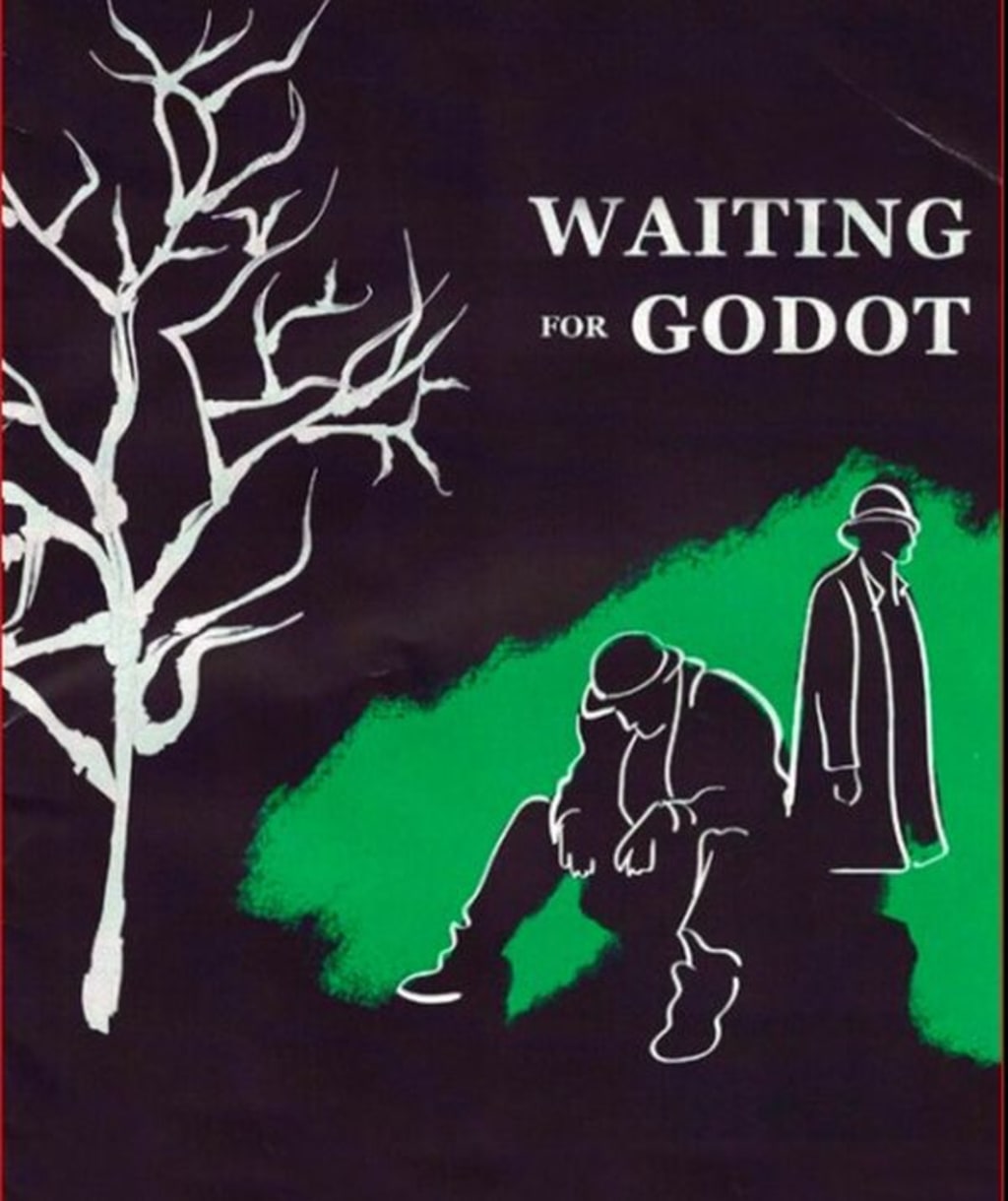
When I was a student at Virginia State University, majoring in English over six decades ago, I studied Samuel Beckett's classic play, Waiting for Godot.
I did not understand the true essence of the play at the time. For some reason, I still think about the play after all those years. The classic existential play has been on Broadway, and comments from those who have seen it helped me understand more about Beckett's play.
About The Play
Waiting for Godot is a two-act play described as a tragicomedy. It was first published in 1952. The play has only two main characters, who are portrayed as tramps. Vladimir and Estragon engage in a variety of thoughts, dialogues, and encounters while waiting for Godot.
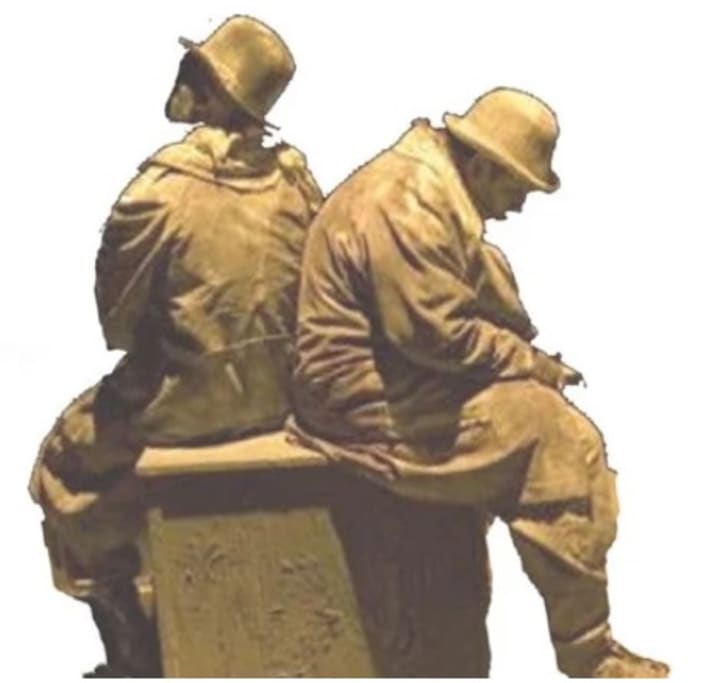
Readers of the play and those who have seen it performed on stage get to identify numerous themes, including those relating to religious, philosophical, classical, social, psychoanalytical, and biographical settings.
In the play, the two main characters spend their days waiting for someone named Godot, whom they believe will provide them with what they need to live a better life. They pass time by talking to each other as they wait for Godot. They discuss their miseries and their lots in life. At one point, they considered hanging themselves, but they had no rope. So, they continued to wait for Godot while holding on to hope that there must be meaning for their existence.
Two minor characters, Pozzo and his servant, Lucky, pass by, but they do not stay. They chat briefly with Vladimir and Estragon. Then they continue on their way while the two men continue to wait for Godot.
The short play is popular and has cultural importance to modern literature. Waiting for Godot has often been adapted for the stage, operas, musicals, television, and theatrical performances in the United States and other countries. Many people have read it, studied it, seen it on television, or on stage.
My Personal Understanding
This is not a spoiler because the play was published in 1952, and many people know what happened. Here is a simplified way that I finally understand the classic. In the two-act play, the two main characters meet each day on a country road under a tree with no leaves. (See the leafless tree in the top photo.) The two men have something in common. They are waiting for Godot.
They share food and tell their individual stories as they wait for Godot. Who is Godot, and why are the men waiting for Godot? The play comes to an end, and the men are frozen in time, still waiting for Godot, who never comes.
My Personal Explanation
I now understand that according to the play, your Godot is whatever you are waiting for. It could be that long-awaited promotion, the move into your dream house, the birth of your first child, a good relationship with your family and friends, or the healing of your aching heart.
Samuel Beckett refrained from elaborating on the characters beyond what he wrote in the play. He did not identify what each man was waiting for. He did not describe Godot or indicate why the men thought he was coming to the leafless tree. Neither did Beckett say why Godot never showed up or how the men coped with his absence after their long wait day in and day out.
Beckett might have known who or what Godot was for him personally, and what he himself was waiting for. However, he left it up to his audience to identify what they think Godot is and to identify what they are waiting for.
The play is a classic and appeals to many because everybody is waiting for something.
I have a big tree in my yard. I call it my "Waiting for Godot Tree" because I am waiting for something like the two men in Beckett's play and people in most of the world.
About the Creator
Margaret Minnicks
Margaret Minnicks has a bachelor's degree in English. She is an ordained minister with two master's degrees in theology and Christian education. She has been an online writer for over 15 years. Thanks for reading and sending TIPS her way.
Keep reading
More stories from Margaret Minnicks and writers in Humans and other communities.
My Month-Long Milestone Birthday Celebration
I love birthdays because that is the opportune time for me to examine myself, reflect on the past, and make fresh plans for the future. During my lifetime, I have had three birthday parties. They were at 40, 55, and 60. When I turned 80, I wanted to do something different. I didn't know what it would be, but the closer it got to July 23, 2025, the clearer it became.
By Margaret Minnicks6 months ago in Humans
Miss Persephone's Manual to a Seemingly Ordinary Life
Miss Persephone was found at the dining table, her blue eyes swollen, her tears arriving and retreating like the tides of the ocean. Earlier that day, her family had visited her in the retirement home where she had lived for eight years. It was her eightieth birthday.
By Imola Tóth3 days ago in Fiction


Comments
There are no comments for this story
Be the first to respond and start the conversation.