
Motorcycle Riding Before 18: Safety, Law, and Responsibility
Under 18 and on Two Wheels: A Risky Choice


Riding a motorcycle is a dream for many people. The sound of the engine, the open road, and the sense of freedom make motorcycling
exciting and attractive, especially for young minds. However,
deciding the right age to start riding a motorcycle is a serious matter. It involves not only enthusiasm and curiosity but also responsibility,
physical ability, mental maturity, and respect for safety laws.
Understanding these factors helps ensure that motorcycle riding becomes a safe and enjoyable experience rather than a dangerous one.
The first and most important factor
in determining the right age is legal permission. In most countries, traffic laws clearly state the minimum age for riding a motorcycle on
public roads. This age is usually 16 to 18 years, depending on the engine capacity and local regulations. These laws exist to protect
young riders and others on the road. Riding before the legal age is not
only illegal but also unsafe, as underage riders may lack proper
training and awareness of traffic rules.
Physical development plays a key role in motorcycle riding. A rider must have enough strength to control the motorcycle, balance it at
low speeds, and handle sudden situations such as braking or turning quickly. Younger children often lack the height, muscle strength, and
coordination required to manage a motorcycle safely. As the body
matures during the late teenage years,
riders gain better control, reflexes, and endurance,

making it safer to ride.
Mental maturity is just as important as physical strength. Motorcycle riding requires quick decision-making, patience, and the ability to
stay calm under pressure. Roads are unpredictable, with sudden obstacles, aggressive drivers, and changing weather conditions.
Younger riders are more likely to take risks, show off, or
underestimate danger. With age comes better judgment, self-control,
and a stronger sense of responsibility, all of which are
essential for safe riding.
Training and education also influence the right age to start riding.
Many safety experts agree that formal training is crucial before riding independently. Riding schools teach basic control, road
awareness, defensive riding techniques, and emergency handling
skills. Teenagers and adults who receive proper training are far more prepared than those who learn informally or by imitation. Starting to
ride at an age when one can understand and apply safety lessons
makes a big difference.
Another important consideration is emotional readiness. Riding a
motorcycle can be thrilling, but it can also be stressful. Traffic
congestion, long rides, and unexpected situations require emotional

stability. A rider must be able to manage fear, excitement, and frustration without losing focus. This level of emotional control
usually develops with age and life experience.
Parental guidance is especially important when young people show interest in motorcycles. Parents should not only consider age but also
their child’s attitude toward rules and safety. Encouraging protective
gear such as helmets, gloves, jackets, and boots is essential. Even
experienced adult riders rely on safety gear, and young riders should
develop this habit from the beginning.
It is also worth mentioning that riding does not always have to start
on public roads. Younger enthusiasts can begin by learning on bicycles, then move to small off-road or training motorcycles in
controlled environments. This gradual approach helps build skills and confidence without exposing the rider to heavy traffic risks.
In conclusion, there is no single perfect age that applies to everyone, but most experts agree that the right age to start riding a motorcycle
is when a person is legally allowed, physically capable, mentally
mature, and properly trained. For most people, this is around 18
years of age. Starting at the right time, with the right preparation,
turns motorcycle riding into a lifelong skill and passion rather than a dangerous mistake. Safety, patience, and responsibility should always
come before speed and excitement.
About the Creator
Niaz Muhammad
Insha Allah, I will write in such a good way that people with weak eyesight or the elderly can easily read it.
Keep reading
More stories from Niaz Muhammad and writers in Humans and other communities.
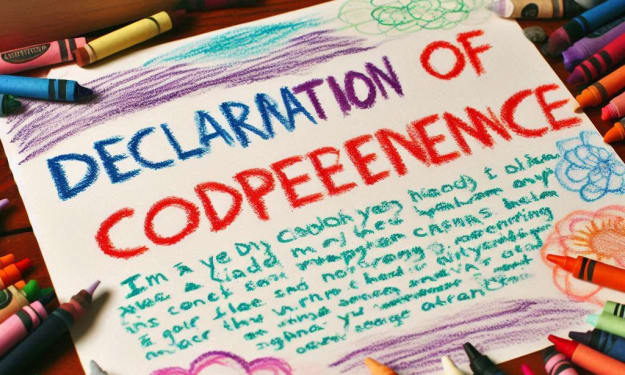
A Historic Declaration
We the People of the Husbands of the United States of America, in Order to form a more perfect Union, and I mean you...with me...establish Justice, insure domestic Tranquility, provide for the common defence, promote the general Welfare, and secure the Blessings of Liberty to ourselves, after Puberty, do ordain and establish this Declaration of Co-Dependence.
By Gerard DiLeo11 days ago in Humans


Comments
There are no comments for this story
Be the first to respond and start the conversation.