
Modi’s American Gamble Backfires
When Narendra Modi first unfurled the red carpet for Xi Jinping in 2014 — complete with a picture-perfect riverfront swing in Gujarat — it was meant to signal India’s aspirations to emulate China’s meteoric rise.
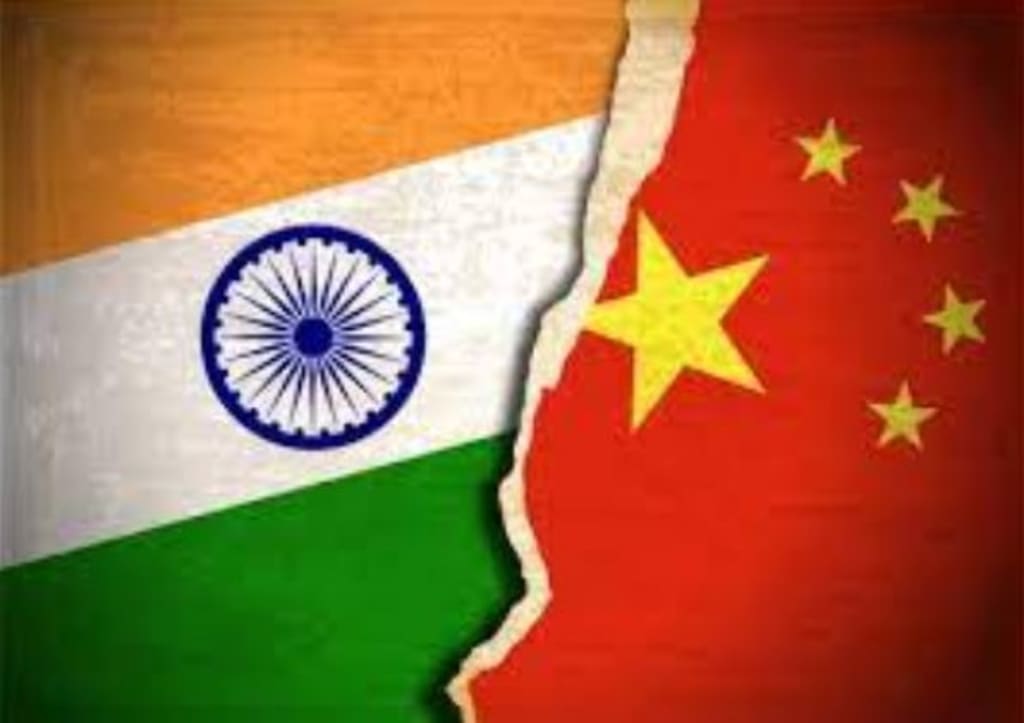
When Narendra Modi first unfurled the red carpet for Xi Jinping in 2014 — complete with a picture-perfect riverfront swing in Gujarat — it was meant to signal India’s aspirations to emulate China’s meteoric rise. Yet, even as the two leaders exchanged pleasantries, Chinese troops were edging into contested Himalayan territory, laying bare the fragility of Modi’s early charm offensive. That intrusion, the first of several, forced India into an expensive, years-long military standoff that undercut Modi’s narrative of strategic deftness.
Years later, Modi pivoted. If Beijing was an unreliable partner, perhaps Washington — with its growing anxieties about China — could be the anchor for India’s ambitions. The U.S.-India relationship, carefully thawed since the Cold War, suddenly accelerated. Modi basked in the warmth of Donald Trump’s first term, going so far as to campaign for him in Houston, breaking with diplomatic convention. President Biden, to Modi’s satisfaction, looked past the partisan breach and deepened defense and technology cooperation.
Modi even turned his fondness for acronyms into diplomacy. “A.I.,” he told Congress last year, meant “America and India.”
But in Washington, friendships can be fleeting. This month, Trump — now back in the White House — imposed a 50 percent tariff on Indian goods, derided India’s economy as “dead,” and, in perhaps the deepest cut, accorded Pakistan equal diplomatic standing while mediating in South Asia. For a leader who has staked his image on projecting strength abroad, it was a public humiliation.
This rupture is more than a trade dispute. It has exposed a perennial truth about Indian foreign policy: size and growth do not guarantee influence when power is concentrated in the hands of leaders with volatile egos. Modi’s entire foreign strategy — personalizing statecraft, relying on leader-to-leader rapport — has left India vulnerable to the whims of two superpowers.
The response has been telling. New Delhi is already dusting off its old playbook of “strategic autonomy,” the Cold War-era doctrine that means avoiding over commitment to any bloc. Modi is planning his first visit to Beijing in seven years, despite lingering border tensions and China’s recent tilt toward Pakistan. Moscow, too, is back in focus; Modi spoke warmly with Vladimir Putin and is preparing to host him in New Delhi.
This recalibration is pragmatic, but also sobering. Modi’s foreign policy narrative — that India can be both the indispensable partner of Washington and a peer competitor to China — is fraying. The burst of confidence that came with being seen as America’s “bulwark against Beijing” now feels like a brief, heady interlude.
Trump’s tariffs may be part of a bargaining tactic, aimed at extracting concessions on trade or nudging Russia toward a Ukraine settlement. But the damage is already done. Trust, once broken, is difficult to restore. Even if the two sides manage a compromise — perhaps through expanded U.S. energy and defense exports or a partial opening of India’s agriculture market — the relationship will carry the scar.
And here lies the irony: Modi’s great foreign policy “successes” have often been silent ones. His restrained handling of the Chinese border crisis, avoiding public escalation while tightening defense ties with Washington, kept channels open. Yet his willingness to make the U.S. relationship a personal badge of honor has left him politically exposed when that very partner turns hostile.
For India, the lesson is clear. The path to global power cannot run solely through the corridors of Washington or Beijing. Strategic autonomy may lack the glamour of alliance politics, but it offers resilience.
As former diplomat Nirupama Rao put it, this is a moment for “deep introspection.” India’s rise will depend less on riverfront photo-ops and more on the quiet, unglamorous work of strengthening its economy, diversifying its partnerships, and insulating national interest from the theatrics of global politics.
In the end, Modi’s bet on personal diplomacy was bold — but like that swing with Xi on the Sabarmati River, it may have been more about optics than outcomes.
About the Creator
Reader insights
Outstanding
Excellent work. Looking forward to reading more!
Top insights
Compelling and original writing
Creative use of language & vocab
Easy to read and follow
Well-structured & engaging content
Excellent storytelling
Original narrative & well developed characters
Expert insights and opinions
Arguments were carefully researched and presented
Eye opening
Niche topic & fresh perspectives
Heartfelt and relatable
The story invoked strong personal emotions
Masterful proofreading
Zero grammar & spelling mistakes
On-point and relevant
Writing reflected the title & theme
How One Neurology Book Changed the Way I Understand the Human Mind
Reading “The Man Who Mistook His Wife for a Hat” Made Me Question What It Means to Be a Person I picked up The Man Who Mistook His Wife for a Hat thinking it would just be one of those clever science books. You know, the kind that explains how the brain works and throws in a few strange cases. I wasn’t really prepared for how weirdly emotional it would feel. Not in a dramatic way. More like the kind of feeling that sits with you quietly while you’re reading.
By Rosalina Janeabout 5 hours ago in Humans



Comments (1)
amazing