
Misuse of Empathy:
Understanding True Empaths vs. Narcissistic Behavior

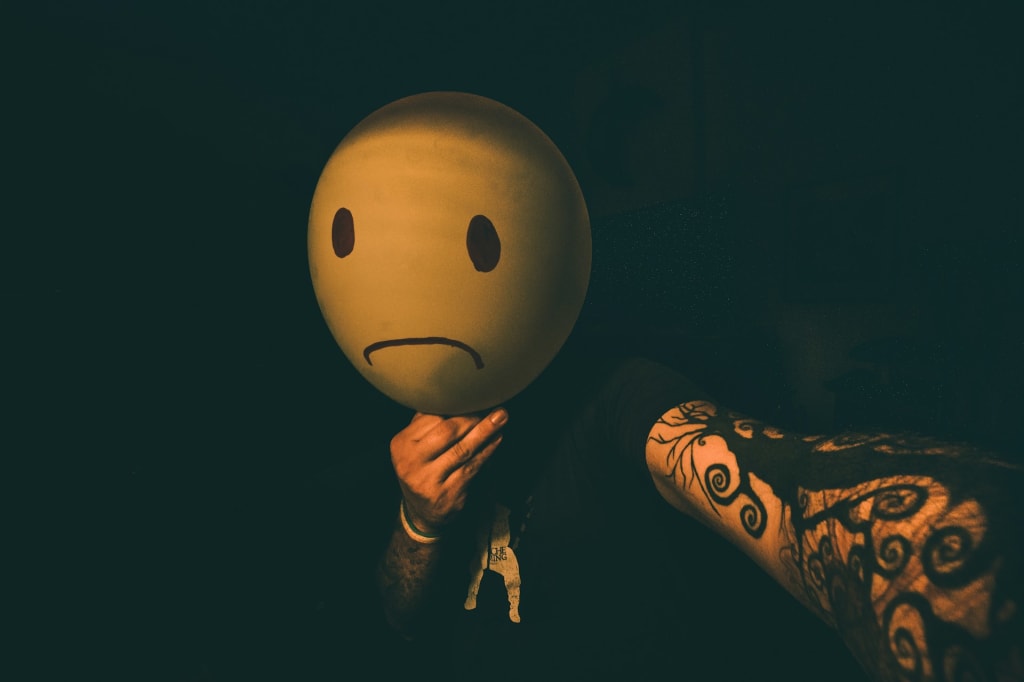
In today's world, the term "empath" is frequently used, sometimes losing its depth and meaning. While genuine empaths possess a profound ability to understand and share the feelings of others, there are instances where the label is misappropriated. This misuse can sometimes hide behaviors associated with narcissism, complicating interpersonal dynamics and leading to emotional manipulation. Let’s explore this phenomenon and how to discern between true empathy and narcissistic tendencies.
Understanding Empathy
Empathy is the ability to understand and share another person's feelings. True empaths resonate with the emotional experiences of others, offering genuine support and compassion without ulterior motives. They are often characterized by:
1. Active Listening: Empaths pay close attention to others, validating their feelings and experiences.
2. Nonjudgmental Support: They accept others' emotions without criticism or dismissal.
3. Selflessness: Empaths often prioritize the needs and feelings of others, sometimes at their own expense, out of a desire to help.
The Rise of Self-Proclaimed Empaths
In the age of social media and personal branding, many individuals label themselves as “empaths,” sometimes to seek validation or attention. This self-identification doesn't inherently mean they embody the qualities of true empathy; it can instead indicate:
1. A Desire for Attention: By presenting themselves as empaths, individuals may seek sympathy or admiration from others, positioning themselves as uniquely sensitive or enlightened.
2. Self-Victimization: Some may adopt the role of the long-suffering empath to garner pity, shifting the focus onto their own struggles rather than offering genuine support to others.
3. Manipulative Behavior: When self-proclaimed empaths use their supposed sensitivity to play on others’ feelings, they may engage in emotional manipulation, leading to codependent or unhealthy relationships.
Recognizing Narcissistic Traits Masquerading as Empathy
It’s crucial to distinguish between true empaths and those exhibiting narcissistic behaviors disguised as empathy. Here are some signs to watch for:
1. Lack of Accountability: If someone often frames themselves as a victim while refusing to acknowledge their role in conflicts, they may not possess true empathy.
2. Emotional Withdrawal: Manipulators may express empathy when it serves their needs but withdraw support when they feel unappreciated or challenged.
3. Inability to Accept Criticism: Individuals who label themselves as empaths may react defensively to feedback, showing a lack of self-awareness typical of narcissistic tendencies.
4. Overemphasis on Their Feelings: If the conversation frequently redirects back to their emotions or experiences, it may indicate self-centeredness masked as empathy.
Navigating Relationships with Self-Proclaimed Empaths
When dealing with those who misuse the label of empathy, it’s essential to approach the situation with awareness and boundaries:
1. Set Clear Boundaries: Be explicit about what behaviors are acceptable and what are not. Protecting your emotional space is vital.
2. Encourage Accountability: When the conversation strays into self-victimization, gently remind them of their responsibilities and the importance of growth.
3. Focus on Healthy Communication: Encourage open and honest dialogues that promote understanding rather than manipulation.
4. Seek Support: If interactions become particularly draining or toxic, consider reaching out to friends or professionals who can provide guidance and support.
Promoting True Empathy
Encouraging genuine empathy in our relationships can counter the misuse of the term:
1. Model Empathy: Show true empathic behavior in your interactions. Practice active listening and validate the feelings of others without seeking attention or praise.
2. Educate on Healthy Relationships: Foster discussions about what defines healthy, empathic behavior versus narcissistic tendencies. This awareness can promote healthier interactions.
3. Encourage Self-Reflection: Promote the value of self-awareness and personal growth in yourself and others. Encourage taking responsibility for one's actions and emotions.
Conclusion
The misuse of the term "empath" signals a broader need for self-awareness and understanding of emotional dynamics. While true empathy enriches human connections, its distortion into narcissistic behavior can lead to unhealthy and manipulative interactions. By recognizing the differences and promoting genuine empathy, we can create more supportive and authentic relationships, fostering a deeper understanding of each other.
- Julie O’Hara
THANK YOU for reading my work. I am a global nomad/permanent traveler, or Coddiwombler, if you will, and I move from place to place about every three months. I am currently in Chile and from there, who knows – probably Argentina? I enjoy writing articles, stories, songs and poems about life, spirituality and my travels. You can find my songs linked below. Feel free to like and subscribe on any of the platforms. And if you are inspired to, tips are always appreciated, but not necessary. I just like sharing.
YouTube Top Song List.
https://www.YouTube.com/results?search_query=julia+o%27hara+top+songs
Amazon PlayList
https://www.amazon.com//music/player/artists/B0D5JP6QYN/julia-o'hara
Spotify PlayList
https://open.spotify.com/artist/2sVdGmG90X3BJVn457VxWA
You can also purchase my books here:
https://www.lulu.com /spotlight/julie-ohara
I am also a member of Buy Me A Coffee – a funding site where you can “buy me a cup of coffee.”
https:www.buymeacoffee.com/JulieOHara
About the Creator
Julie O'Hara - Author, Poet and Spiritual Warrior
Thank you for reading my work. Feel free to contact me with your thoughts or if you want to chat. [email protected]
Keep reading
More stories from Julie O'Hara - Author, Poet and Spiritual Warrior and writers in Humans and other communities.
Transitioning from the Age of Pisces to the Age of Aquarius
Astrological ages are significant periods in history that correspond to the precession of the equinoxes, with each age lasting approximately 2,150 years. These ages represent shifts in consciousness, spirituality, culture, and societal values. Below is a detailed look at the major astrological ages, their general historical timelines, and their spiritual significance.
By Julie O'Hara - Author, Poet and Spiritual Warrior3 months ago in Humans
Lost and Alone in the French Alps
Looking back, I can trace some of my life’s biggest adventures to a simple action from my sister. She’d introduced me to Tommy (a very long time ago), a colleague of hers, who had overshared his penchant for Italian-looking women, and I ticked that box.
By Chantal Christie Weiss20 days ago in Humans
Is Costco Open on MLK Day? What Shoppers Need to Know
Holidays often arrive quietly, then disrupt plans when we least expect it. Martin Luther King Jr. Day is one of those days. It is a federal holiday with deep meaning, but for many people, it also brings practical questions. Work schedules change. Schools close. Errands get delayed. Somewhere in the middle of reflection and routine, a simple question comes up every year: is Costco open on MLK Day? For families planning grocery runs, small business owners stocking supplies, or anyone trying to manage time wisely, this question matters. Understanding how Costco treats this day helps avoid frustration and last-minute confusion. The answer is not complicated, but the context around it is worth understanding.
By Muqadas khanabout 8 hours ago in Humans


Comments
There are no comments for this story
Be the first to respond and start the conversation.