
Miracle Underground: The Unbelievable Survival Story of 33 Trapped Miners
Against All Odds: How They Fought Hunger, Desperation, and Darkness for 69 Days

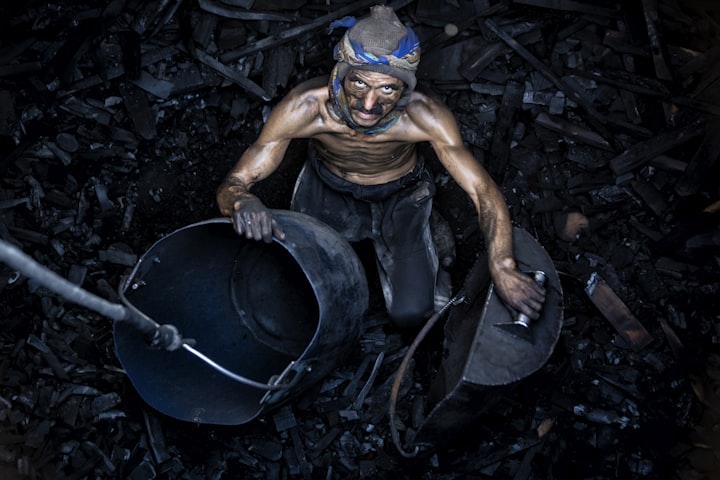
Suddenly, there was a thunderous rumble deep within the mountain, and everything shook. Dirt and rocks the size of a man's fist rained down, creating a chaotic scene. Amidst the choking clouds of dust, the miners crouched low and ran for cover, their hearts pounding with fear. It was every miner's worst nightmare—a cave-in.
Thursday, August 5, 2010, started like any other day for the day shift of miners at the San José copper and gold mine in the Atacama Desert. Located 28 miles (45 km) north of the city of Copiapó in northern Chile, the mine was their workplace, their livelihood. Little did they know that this day would forever change their lives.
Around 2 pm local time, disaster struck. The mine experienced a massive cave-in. While a group of miners working near the entrance managed to escape, another group of 33 miners found themselves trapped 2,300 feet (700 meters) underground. To make matters worse, there were three miles (five kilometers) of underground tunnels separating them from the mine's entrance.
As news of the disaster spread, the entire world turned its attention to the unfolding tragedy. People wondered: Would all 33 miners be rescued? How long would they remain trapped underground? And perhaps most intriguing of all, how did they manage to remain calm while waiting for help in such dire circumstances?
Working at the San Jose mine was not only dirty and dangerous but also incredibly lonely. The mine operated around the clock, with men working 7-day tours and 12-hour shifts. Most of the miners lived far away from the mine, staying at rooming houses in Copiapó for the duration of their work periods. The job offered good wages, but it also carried the constant risk of death.
The San Jose mine, with its long history dating back to 1889, was a maze of pits, canyons, and valleys interconnected by tunnels and roads. The central road, known as the Ramp, served as the lifeline connecting all the tunnels to the mine's entrance. Deep in the mine, where the men toiled in search of gold and copper, the temperature rose as they went deeper, fueled by geothermal heat emanating from the Earth's core. The conditions underground were cramped, dusty, humid, and perpetually dark.
The San Jose copper mine had gained notoriety for its poor safety record. Owned by the San Esteban Mining Company, the mine had a history of serious injuries and fatalities, which the company often resolved by paying off victims or their families and getting cases dropped. In 2007, the Chilean government regulatory body responsible for mining safety standards ordered the mine's closure due to an accident. However, less than a year later, the mine resumed operations without fully complying with the safety measures mandated by the regulatory body.
On that fateful day, August 5th, a colossal block of diorite, weighing an estimated seven hundred thousand tons, broke loose inside the mountain. It crashed through the layers of the mine, causing sections of the Ramp and other passageways to collapse. Miners who were working on different levels sought refuge in place before heading to the designated shelter once the initial cave-in had subsided. In the small emergency shelter known as The Refuge, they discovered that all connections to the surface had been severed. There was no electricity, no ventilation, and no intercom system. They were cut off from the outside world.
Shift manager Luis Urzúa, 54 years old, took charge of the situation. Together with a small group of men, he ventured out to explore if they could find a way to the surface. Despite their efforts, they could only make it about a third of the way up the tunnel before encountering a massive rockfall that blocked their path. It became clear to them that escape through the tunnels was impossible. They returned to The Refuge and gathered the rest of the miners to deliver the grim news.
As the reality of their situation sank in, the trapped miners faced a daunting challenge—surviving deep underground with limited resources and uncertain prospects for rescue. The air was thick with anxiety and fear, but they knew that staying calm and organized was crucial for their survival.
With no way to communicate with the outside world, the miners relied on their resourcefulness to make the best of their dire circumstances. They rationed their limited food supplies, which consisted of two spoonfuls of tuna, half a cookie, and sips of milk every 48 hours. They carefully monitored their water usage, drinking small amounts and using it primarily for rehydrating their bodies in the sweltering heat.
To maintain their spirits and a sense of normalcy, the miners established a strict daily routine. They divided their time between rest and activity, engaging in exercises and games to keep their bodies and minds occupied. They crafted makeshift lamps using vehicle batteries and reflective materials to simulate day and night, which helped them establish a sense of time.
Above all, the miners relied on each other for support. They formed a tight-knit community, sharing stories, offering encouragement, and providing emotional strength. They established rules and protocols to maintain order and resolve conflicts. Each man had a role to play, whether it was monitoring air quality, keeping track of time, or documenting their experiences in journals.
The world outside was not oblivious to their plight. News of the trapped miners spread rapidly, capturing the attention and compassion of people worldwide. The Chilean government launched an all-out rescue effort, utilizing the expertise of engineers, geologists, and mining experts. An international team of specialists, including NASA, joined the rescue mission, providing technical support and advice.
The rescue operation was not without its challenges. The immense depth, unstable terrain, and the threat of additional collapses posed significant obstacles. It took 17 days for the drill to reach the miners, establishing a lifeline for communication and supplying them with essential provisions.
Through the narrow borehole, dubbed "Plan B," the miners received food, water, medicine, and other necessities. They also received letters and messages from their loved ones, providing them with emotional support and a reminder that they were not alone in their struggle.
As weeks turned into months, the miners displayed unwavering strength and resilience. They faced numerous setbacks, including the failure of the initial rescue drilling operation, which required a shift to a new plan. The "Plan C" drilling commenced, aiming to create a wider shaft that would facilitate the miners' rescue.
On October 12, 2010, after 69 agonizing days underground, the world held its breath as the rescue capsule, appropriately named "Phoenix," descended into the depths of the mine. One by one, the miners were hoisted to the surface, greeted by cheers, tears, and an overwhelming sense of relief. Their remarkable survival story captured the hearts of millions and served as a testament to the indomitable human spirit.
The rescue of the Chilean miners from the San José mine was an unprecedented achievement. It showcased the power of international collaboration, the resilience of the human spirit, and the unwavering determination to save lives against all odds. The harrowing experience of those 33 miners has forever etched their names in history, reminding us of the strength we possess when faced with unimaginable challenges.
Do you think you could survive a mine cave in? Let us know in the comments!
Don't forget to Like❤️ & Subscribe for more stories like this!
About the Creator
Uphill Mind
Get motivated and inspired through mindful words and stories of others. Be enlightened with me!
Keep reading
More stories from Uphill Mind and writers in Humans and other communities.
Australian Open Nights That Broke Hearts and Made History
Every January, Melbourne changes its rhythm. The heat hangs heavy in the air, the nights stretch longer, and something emotional settles over the city. The Australian Open is not just a tennis tournament. It is a place where careers bend, where teenagers grow up under bright lights, and where legends quietly face the end. Fans do not only watch matches here. They feel them. A single rally can silence thousands. A final point can leave someone staring at the court, unsure whether to smile or cry. The Australian Open carries stories that stay with people long after the season ends, stories of courage, collapse, hope, and human limits.
By Muqadas khanabout 13 hours ago in Humans




Comments
There are no comments for this story
Be the first to respond and start the conversation.