
Mental Health and its Importance
Improving and Dealing with Mental Health

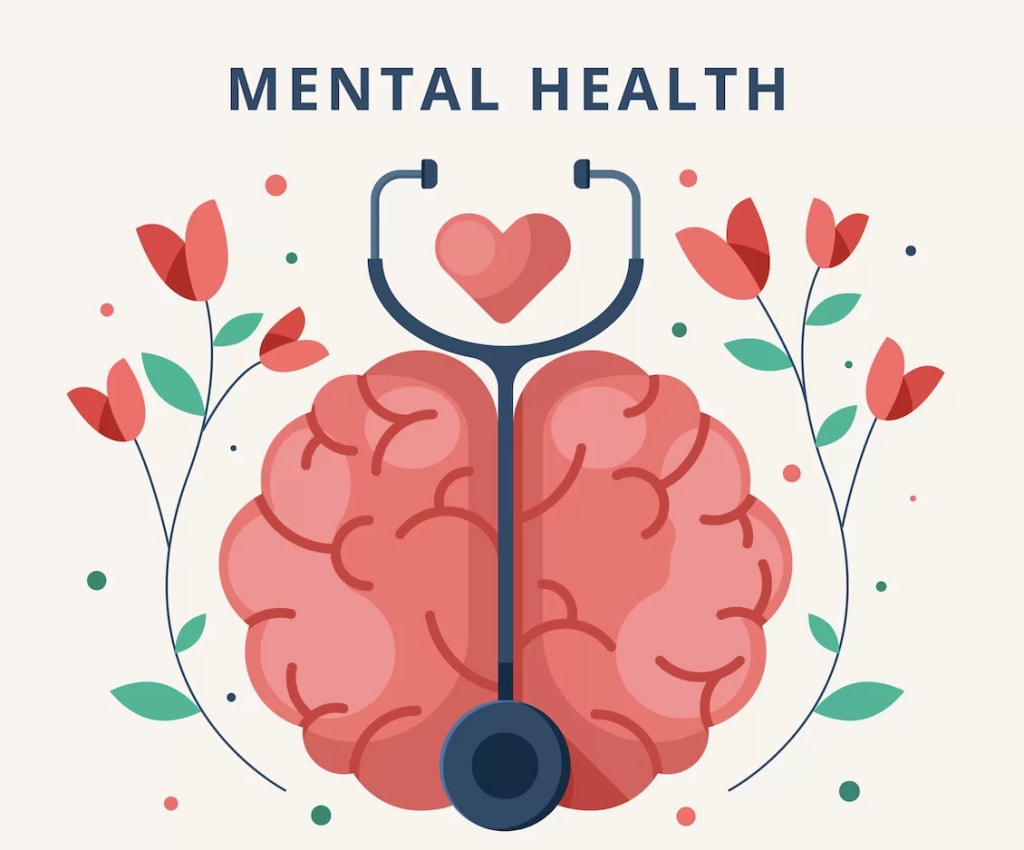
Mental health refers to a person's overall psychological well-being. It includes their emotional, psychological, and social well-being. Factors that contribute to good mental health include having a sense of purpose in life, feeling good about oneself, and being able to cope with the challenges and stresses of daily life. Mental health problems, on the other hand, can include conditions such as anxiety, depression, and schizophrenia. It is important to prioritize and take care of your mental health, just as you would with your physical health.
Importance of Mental Health
Mental health is important because it affects how we think, feel, and behave. It also plays a role in our overall physical health and well-being. When we are mentally healthy, we are better able to cope with the challenges of life, work productively, and form meaningful relationships. On the other hand, when we are struggling with mental health issues, it can be difficult to function in daily life and may lead to a range of physical and emotional problems.
Prioritizing mental health and seeking help when needed can lead to better outcomes in all areas of life. It is important to take care of your mental health just as you would with your physical health, through things like regular exercise, a healthy diet, and getting enough sleep. It is also important to seek help if you are struggling with mental health issues, either through therapy, medication, or a combination of both.
Factors That Effect Mental Health
There are many factors that can affect mental health, and these can vary from person to person. Some common factors that can impact mental health include:
- Life experiences: Traumatic events or experiences, such as abuse, loss of a loved one, or exposure to violence, can have a significant impact on mental health.
- Genetics: Certain mental health conditions can run in families, suggesting that there may be a genetic component to some mental health problems.
- Biological factors: Certain physical or chemical changes in the body, such as imbalances in brain chemistry or hormone levels, can affect mental health.
- Social and economic factors: Factors such as poverty, social isolation, and lack of access to healthcare can impact mental health.
- Substance abuse: Substance abuse, such as the abuse of alcohol or drugs, can contribute to the development of mental health problems.
These factors can also interact with each other and contribute to mental health in complex ways.
How to improve mental health?
There are many ways to improve mental health, and what works for one person may not work for another. Some strategies that may be helpful for improving mental health include:
Seek professional help: If you are struggling with mental health issues, it can be helpful to seek help from a mental health professional, such as a therapist or counselor. They can help you identify the underlying causes of your mental health problems and develop coping strategies to improve your mental health.
Practice self-care: Taking care of your physical and emotional needs can improve your overall mental health. This can include things like getting enough sleep, eating a healthy diet, and engaging in regular physical activity.
Connect with others: Building and maintaining social connections is important for mental health. Spending time with friends and loved ones, participating in activities you enjoy, and volunteering can all help to improve your mental health.
Reduce stress: Chronic stress can have a negative impact on mental health. Try to find ways to manage stress, such as through relaxation techniques like deep breathing or meditation, or by setting boundaries and finding ways to manage your time more effectively.
Practice mindfulness: Being present in the moment and paying attention to your thoughts and feelings can help to improve mental health. Techniques like mindfulness meditation can help you become more aware of your thoughts and emotions and learn how to respond to them in a healthy way.
Take care of your physical health: Your physical health and mental health are closely connected. Taking care of your physical health, such as through regular exercise, a healthy diet, and getting enough sleep, can also improve your mental health.
Seek out new experiences: Trying new things and stepping out of your comfort zone can help to keep your mind active and boost your mental health.
Take breaks and make time for leisure: It is important to make time for relaxation and leisure activities, such as hobbies you enjoy. Taking breaks can help to reduce stress and improve your overall well-being.
How to deal with poor mental health?
If you are struggling with bad mental health, it can be helpful to try the following strategies to cope:
- Seek help: Don't be afraid to seek help from a mental health professional, such as a therapist or counselor. They can provide you with the support and guidance you need to address your mental health issues.
- Take care of yourself: Make sure to take care of your physical and emotional needs. This can include getting enough sleep, eating a healthy diet, and engaging in regular physical activity.
- Practice relaxation techniques: Techniques such as deep breathing, meditation, or progressive muscle relaxation can help you manage stress and improve your mental health.
- Connect with others: Building and maintaining social connections can provide emotional support and help you feel less alone.
- Find healthy ways to cope with your emotions: It is normal to feel a range of emotions, including difficult ones like sadness or anger. Find healthy ways to cope with these emotions, such as through talking to a friend or writing in a journal.
- Avoid alcohol and drugs: Substance abuse can make mental health problems worse. If you are struggling with addiction, seek help from a substance abuse treatment program.
- Practice self-compassion: Be kind to yourself and try not to be too hard on yourself. Remember that everyone has difficult times and it is okay to ask for help.
Mental Health is important issue and should not be neglected at all. If you and any of your close ones is experiencing the bad mental health, then they need support. Dealing with mental health problems is not possible without the support of other. So, always stay positive and supportive toward other to better deal with the mental health.
About the Creator
Keep reading
More stories from Hafiz Suboor and writers in Humans and other communities.
"Mastering the Art of Influence: Proven Strategies for Persuasion and Leadership"
Influence refers to the ability to affect the behavior or decisions of others. It can be exerted through persuasion, coercion, or manipulation, and can be exerted by individuals, groups, or institutions. Influence can be positive, such as when a leader inspires others to work towards a common goal, or negative, such as when a person manipulates others for their own benefit. Understanding and utilizing influence is an important aspect of communication, leadership, and negotiation.
By Hafiz Suboor3 years ago in Humans
Who is your "Person"?
It's important to recognize that you cannot go through life as easily on your own. My name is Elizabeth and I'm a survivor of child abuse and horrific trauma. Healing from trauma is not a quick fix and recognizing that it will take time, is part of the struggle.
By Elizabeth Woods4 days ago in Psyche


Comments (1)
thank you for highlighting the great issue