
Menstruation in Medieval Age
Getting Your Period In The Middle Ages
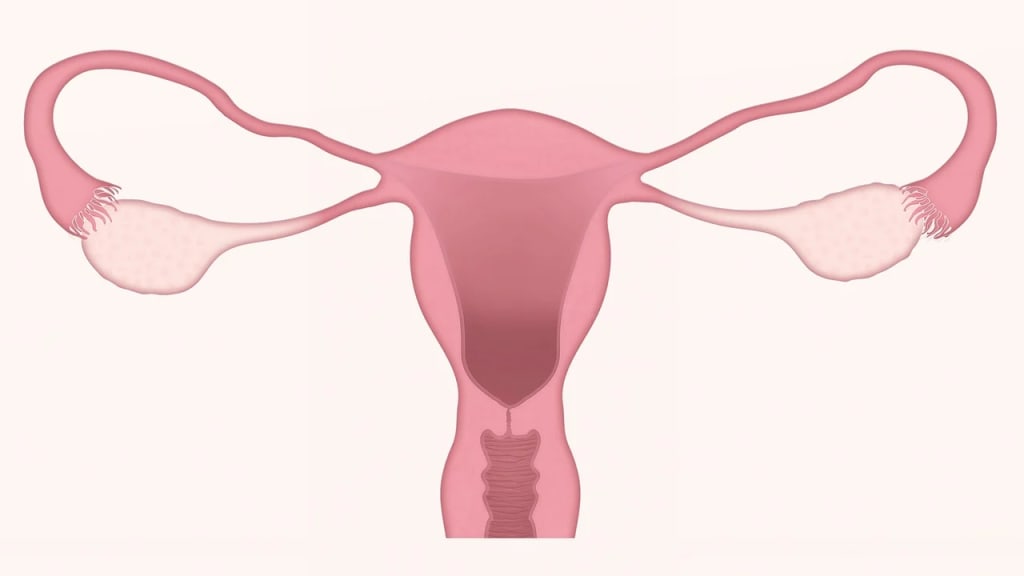
Menstruation represents a significant milestone in the life of any girl or woman, a biological process that brings changes to her body and even her social status. However, when we consider the women who lived during the Middle Ages, armed with our knowledge of medieval hygiene practices, it's hard not to feel a sense of sympathy for them. Devoid of the modern conveniences of sanitary pads and tampons, did these women understand the intricacies of what was happening to their bodies during their menstrual cycles? What kinds of sanitary products did they utilize, and how did they alleviate the accompanying pain? Why did medieval beliefs surrounding menstrual blood sometimes border on the fantastical, associating it with potentially magical feats? And perhaps most intriguing of all, why were medieval women said to wear pouches filled with the ashes of burnt toads?
It's important to acknowledge that during the Middle Ages, regular menstruation might have been an uncommon occurrence for most women. A significant proportion of the population, up to 85 percent, consisted of peasants, and the harshness of their lives resulted in both men and women experiencing undernourishment, vitamin deficiencies, and exhaustion. These factors could lead to hormonal imbalances and irregular menstrual cycles. As one midwife noted, menstruation could sometimes be erratic, either occurring too early or too late, too frequently or infrequently, or not at all. Moreover, medieval women's unique circumstances, including their relatively higher rates of childbirth, breastfeeding, and reaching menopause at earlier ages, meant they had fewer menstrual cycles to contend with compared to contemporary women.
But the understanding and perception of menstruation during the Middle Ages were colored by a complex interplay of factors, including religious beliefs, medical theories, and societal attitudes. Much of the medieval perspective was influenced by the teachings of Greco-Roman philosophers, such as Pliny the Elder and Aristotle. These scholars perpetuated ideas that associating with menstrual blood could have adverse effects, which ranged from souring wine to withering crops. This distorted perception of menstrual blood as somehow "poisonous" and capable of triggering bizarre magical consequences perpetuated medieval myths.
One must also consider the role of the medieval Catholic Church, where men with strict vows of celibacy often played a central role. The Church viewed women with a sense of suspicion, characterizing them as temptations and not entirely trustworthy. The Bible and religious teachings, particularly those of Saint John Chrysostom in the 4th century, perpetuated this notion. For instance, Chrysostom described women as foes to friendship, unavoidable punishment, a necessary evil, and other derogatory terms. The Church's role in shaping these negative attitudes toward women, particularly in relation to menstruation, was undeniable.
During the Middle Ages, physicians like Galen and Hippocrates also left their marks on how women's bodies were understood. Galen's theory of the four humors suggested that any imbalance among these humors could cause illness. Women, with their supposed humoral makeup, were thought to be "wetter" and "colder" than men, who were considered "drier" and "hotter." This led to the belief that women's bodies produced excess blood, which had to be expelled through menstruation to maintain health. It was a combination of misinformed ideas about the female body's functioning and a lack of knowledge that gave rise to these notions.
In medieval Europe, the terminology for female genitalia was nonexistent, and the understanding of female reproductive anatomy was primitive. The female womb was believed to consist of seven cells, with three designated as male and three as female, while the central cell was considered the place for a wasted egg or the potential growth of a hermaphrodite child. These misconceptions further contributed to the aura of mystery surrounding menstruation.
Menstrual cramps, which many women experience, were regarded as divine punishment for Eve's original sin. This view perpetuated the idea that women's pain during menstruation was a form of retribution. Surprisingly, there was very little emphasis on providing pain relief during menstruation, and women had to resort to herbal remedies. Wearing a pouch filled with ashes from burnt toads was believed to alleviate cramps and manage heavy flows. This unconventional method was a testament to the lack of knowledge and available resources during the Middle Ages.
Sanitary protection during the Middle Ages was rudimentary. Women used rags as a form of absorbent material, and these rags were often folded, cut to size, and secured in place with pins. Wealthier women sometimes wore red petticoats to discreetly conceal any bloodstains. The shame associated with menstruation led to women using sweet-smelling flowers and herbs to mask any odors emanating from their menstrual blood.
Interestingly, moss found in bogs, known as "blood moss," was highly absorbent and was used both on battlefields to staunch bleeding wounds and during menstruation to manage the flow. Chinese women, on the other side of the world, employed sand as an absorbent material. Once the sand was saturated, it would be discarded, and the cloth could be washed and reused for future periods.
Despite the passage of time, the Middle Ages' negative beliefs about menstruation, its impurity, and the taboo surrounding it have left a lasting legacy. Even today, the topic of menstruation remains a somewhat embarrassing and taboo subject for many, suggesting that the medieval perspectives have left a lasting mark on our collective consciousness.
About the Creator
Ananymus Kelly
meticulous
Keep reading
More stories from Ananymus Kelly and writers in Humans and other communities.
The Effects Of Tattoos On The Skin
Introduction Tattoos have been a part of human culture for centuries, with their significance and popularity evolving over time. Today, millions of people around the world proudly wear their inked creations, each telling a unique story. But have you ever wondered why tattoos are considered permanent, despite the fact that certain factors can cause them to fade over time? To fully understand the longevity and characteristics of tattoos, we must delve into the intricacies of human skin and the different layers involved in the tattooing process.
By Ananymus Kelly2 years ago in Humans
Singles Life Can Be A Powerful Path Toward Self Discovery
Living a single life often provides a level of independence that can be deeply empowering. Without the constant responsibilities that come with maintaining a romantic relationship, individuals have the opportunity to focus more closely on their personal choices and daily routines. This independence allows people to make decisions based on their own values, goals, and desires rather than balancing the expectations of a partner. For many, this freedom becomes the starting point of meaningful self-discovery.
By Robert Smith5 days ago in Humans
Silken Chains
Silhouettes of the female form were given flesh and bone. Silken skin glistened under the spotlight. Dry ice rose around our Icons as they danced atop their podiums in the Square. Heralded for their beauty, their movements were slight, powerful, and sensual.
By Paul Stewart5 days ago in Fiction


Comments
There are no comments for this story
Be the first to respond and start the conversation.