
Map of Angels

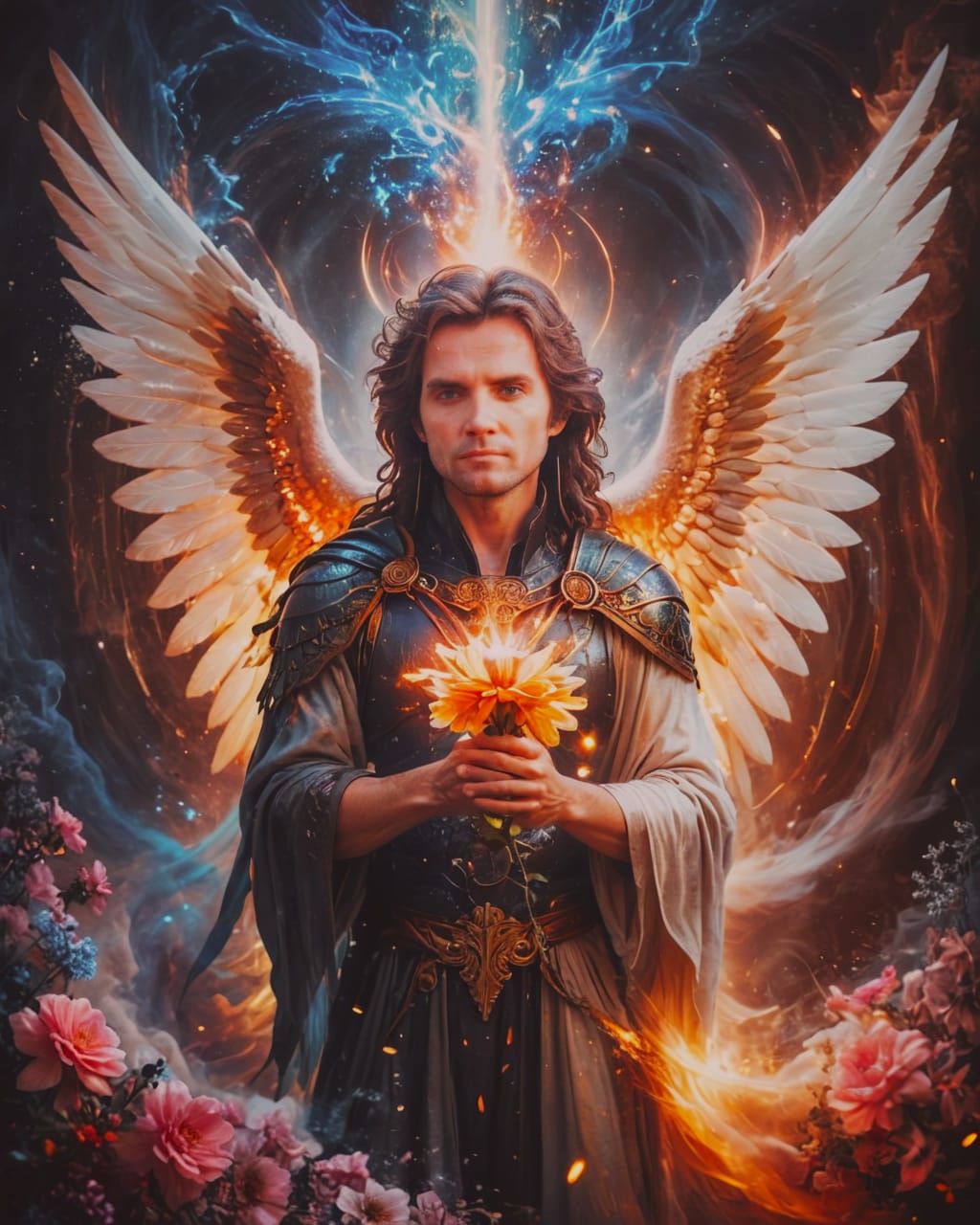
The classic map of the angelic world in Christian tradition is the Nine Choirs, arranged in three triads that flow “from the seraphim on down.” This framework crystallized in late antiquity and shaped theology, liturgy, and art for centuries. What follows defines each order, sketches its history, and summarizes what it does.
A brief history of the angelic divisions
- Ancient Israel: Scripture names several kinds of heavenly beings. Cherubim guard Eden (Genesis 3) and flank the Ark (Exodus 25). Seraphim appear in Isaiah’s vision crying “Holy, holy, holy” (Isaiah 6). Ezekiel sees living creatures and wheels within wheels (Ezekiel 1, 10).
- Second Temple Judaism: Texts like 1 Enoch and the Dead Sea Scrolls develop tiers of angels, name archangels (Michael, Gabriel, Raphael, Uriel), and describe watchful guardians and liturgical praise.
- New Testament: Paul mentions “thrones, dominions, principalities, powers” (Colossians 1:16; Ephesians 1:21). Michael is called “archangel” (Jude 1:9); Gabriel announces Christ’s birth (Luke 1). Revelation depicts vast angelic worship and warfare.
- The Nine Choirs: Around the 5th–6th century, the Syrian writer known as Pseudo-Dionysius the Areopagite organized angelic beings into three triads of three orders in The Celestial Hierarchy. He emphasized their participation in divine light and their mediating roles.
- Western reception: Gregory the Great (6th c.) popularized the list (slight naming differences) and tied each order to scriptural hints and pastoral roles. The scheme entered sermons, liturgy, and iconography.
- Scholastic synthesis: Thomas Aquinas (13th c.) deepened the metaphysics: every angel is its own species; orders differ by office and illumination; angels move creation toward God. He articulated guardian angels, national angels, and how higher orders enlighten lower.
- Later centuries: The Nine Choirs remained standard in Catholic and Orthodox teaching and art (hymns, mosaics, halos and six-winged seraphim, four-faced cherubim). Reformation churches varied in emphasis, but biblical language about angels endured. Modern interest ranges from devotional to literary to popular culture.
- Note on other traditions: Jewish and Islamic angelologies are rich but differ in naming and structure. The overview below follows the classic Christian ninefold hierarchy.
How the triads work
- First triad (contemplative, nearest to God): Seraphim, Cherubim, Thrones. They gaze on God, burn with love, and ground creation in divine justice.
- Second triad (governance of creation): Dominions, Virtues, Powers. They channel divine order through the cosmos, providence, and the great movements of history and nature.
- Third triad (ministry to the world): Principalities, Archangels, Angels. They guide communities and persons, bear messages, and protect.
From the Seraphim on down: definitions, sources, and roles
1) Seraphim
- Name: From Hebrew saraph, “to burn.” Six-winged beings in Isaiah 6.
- Scriptural image: Around God’s throne, crying “Holy, holy, holy” (the Sanctus). One touches a coal to Isaiah’s lips, purifying him.
- Role: Embody ardent love and pure worship; ignite and purify. In Dionysius and Aquinas, they receive the most immediate inflow of divine love and kindle lower orders with charity.
- Iconography: Six wings; fiery or bright red; often covering face and feet in reverence.
2) Cherubim
- Name: Possibly from Akkadian karābu, “to bless,” or karibu, “intercessor.” Not baby angels; rather mighty throne-bearers.
- Scriptural image: Guardians of Eden with flaming sword (Genesis 3); overshadow the Ark’s mercy seat (Exodus 25); Ezekiel’s four-faced, many-winged living creatures (Ezekiel 10).
- Role: Radiate fullness of knowledge and protect the holy; symbolize God’s presence and mobility. They illuminate lower beings with insight into divine mysteries.
- Iconography: Four faces (human, lion, ox, eagle), many eyes, wheels; blue or many-eyed wings in Byzantine art.
3) Thrones
- Name: Greek thronoi, “seats.” Associated with Ezekiel’s wheels (ophanim), though traditions vary on the exact link.
- Scriptural hint: Paul lists “thrones” among celestial powers (Colossians 1:16).
- Role: Foundations of divine justice; stable bearers of God’s righteous judgments; serenity and receptivity to God’s will.
- Iconography: Wheel-like forms with eyes; calm, seated figures with orbs or scales.
4) Dominions (Dominations)
- Name: Greek kyriotētes, “lordships”; Latin dominationes.
- Scriptural hint: Appears with powers/principalities (Ephesians 1:21; Colossians 1:16).
- Role: Regulate the ministries of lower choirs; ensure that divine authority flows without tyranny; free from passion so they can govern well.
- Iconography: Scepters or orbs, coronets, gestures of stewardship rather than conquest.
5) Virtues
- Name: Greek dynameis, “powers” or “energies”; rendered “virtues” in Latin tradition to emphasize strength-in-action.
- Scriptural hint: The term dynameis often describes miraculous works in the Gospels.
- Role: Channel divine power into creation’s rhythms—seasons, elements, miracles that sustain faith; strengthen the weary for great tasks.
- Iconography: Stars, rays, or instruments of miracles; often calm, mid-motion figures.
6) Powers
- Name: Greek exousiai, “authorities.”
- Scriptural hint: Listed with principalities and powers (Romans 8:38; Ephesians 6:12).
- Role: Guardians of cosmic order; restrain chaos and malign forces; discern and set boundaries so that freedom does not collapse into disorder.
- Iconography: Armor, shields, chains binding demons—yet distinguished from archangelic warriors by a judicial calm.
7) Principalities
- Name: Greek archai, “rulers,” “beginnings.”
- Scriptural hint: Paul mentions them among celestial ranks; in Daniel, “princes” over nations appear (Daniel 10).
- Role: Oversight of peoples, cities, institutions; shepherd the good of communities and cultures; inspire just leadership and humane laws.
- Iconography: Banners, cityscapes, architecture; crowns oriented toward service.
8) Archangels
- Name: Greek archangeloi, “chief messengers.”
- Scriptural figures: Michael (Jude 1:9; Revelation 12), Gabriel (Luke 1), Raphael (Tobit, in the Deuterocanon), and in some traditions Uriel (2 Esdras/4 Ezra).
- Role: Bear great messages, defend the Church, heal and guide. Michael leads in spiritual battle; Gabriel announces salvation; Raphael heals and accompanies; Uriel illuminates.
- Iconography: Named figures with specific attributes—Michael with sword/scales, Gabriel with lily or scroll, Raphael with staff and fish.
9) Angels
- Name: Greek angeloi, “messengers.”
- Scriptural presence: Throughout—bringing messages, protecting, strengthening (e.g., Matthew 18:10; Acts 12).
- Role: Closest to human life; guardians of persons; everyday messengers and ministers of providence.
- Iconography: Familiar winged figures; guardian angels with children or travelers.
What they do together
- Worship and witness: The first triad perpetually adores God, receiving and reflecting divine holiness, knowledge, and justice.
- Govern and sustain: The second triad diffuses order, strength, and protection through creation and history, coordinating missions and miracles.
- Guide and guard: The third triad engages nations, churches, families, and individuals—delivering messages, defending against evil, and prompting good.
Key themes in their ministry
- Participation and illumination: Higher orders do not hoard light; they pass it down, adapting it to the capacity of those below, including us.
- Freedom and order: Angels respect human freedom while quietly steering toward the good; coercion signals something other than heaven.
- Humility and hiddenness: Their greatest works often go unnoticed—an averted accident, a sudden consoling word, a turn of heart toward mercy.
Questions people ask
- Do all people have guardian angels? Classical Christian teaching (especially Aquinas) says yes: each person is entrusted to an angel’s care.
- Are the choirs rigid ranks? They’re more like harmonies than ladders—orders distinguish kinds of service, not status for its own sake.
- Do the names differ? Scripture uses several overlapping terms; the Nine Choirs unify them into a theological vision, not an exhaustive census.
How the hierarchy shaped worship and art
- Liturgy: The Sanctus—“Holy, Holy, Holy”—places congregations among seraphim. Feasts of Michael and the archangels honor specific ministries.
- Architecture and music: Choirs of angels ring domes and apses; polyphonic “heavenly hierarchies” imitate layered orders with interweaving lines.
- Devotion: Prayers for protection (St. Michael Prayer), healing (Raphael), and annunciation-tinged listening (Gabriel) echo archangelic roles.
A balanced approach to angelic knowledge
- Rooted in revelation: The richest details come where Scripture speaks. Beyond that, tradition offers careful reflection rather than curiosity for its own sake.
- Oriented to Christ: In Christian faith, the hierarchy serves the one true Ladder—Christ—through whom heaven and earth meet (John 1:51).
- Ordered to charity: Encounter with angels should lead to greater love of God and neighbor, not fixation on ranks or power.
Closing picture
From the burning love of the Seraphim down to the quiet guardians who walk beside us, the Nine Choirs sketch a cosmos alive with praise, wisdom, and care. They are not distractions from God but signs of God’s overflowing generosity: love so superabundant it creates companions to carry it. If you listen—especially in worship, in service, and in silence—you may sense their work: a thought steered toward truth, a fear quieted, a path opened. That is the hierarchy’s aim in us: to draw the world, step by illumined step, toward the Holy.
I am a global nomad/permanent traveler, or coddiwombler, if you will, and I move from place to place about every three months. I am currently in Peru and heading to Chile in a few days and from there, who knows? I enjoy writing articles, stories, songs and poems about life, spirituality and my travels. You can find my songs linked below. Feel free to like and subscribe on any of the platforms. And if you are inspired to, tips are always appreciated, but not necessary. I just like sharing.
YouTube Top Song List.
https://www.YouTube.com/results?search_query=julia+o%27hara+top+songs
Amazon PlayList
https://www.amazon.com//music/player/artists/B0D5JP6QYN/julia-o'hara
Spotify PlayList
https://open.spotify.com/artist/2sVdGmG90X3BJVn457VxWA
You can also purchase my books here:
https://www.lulu.com /spotlight/julie-ohara
I am also a member of Buy Me A Coffee – a funding site where you can “buy me a cup of coffee”
https:www.buymeacoffee.com/JulieOHara
About the Creator
Julie O'Hara - Author, Poet and Spiritual Warrior
Thank you for reading my work. Feel free to contact me with your thoughts or if you want to chat. [email protected]
Keep reading
More stories from Julie O'Hara - Author, Poet and Spiritual Warrior and writers in Humans and other communities.
Teasing: It's Not Funny, It's Abusive
Teasing, often perceived as playful banter or light-hearted joking, can sometimes cross the line into abusive behavior. To better understand why teasing can be considered abuse, we can explore its impact on individuals, the psychological effects, and the context in which it occurs.
By Julie O'Hara - Author, Poet and Spiritual Warrior4 months ago in Humans
The CEO of Everything
They say "jack of all trades, master of none," but they forgot to mention the part where the jack of all trades is also the camera woman, the makeup artist, and the person currently yelling at a tangled Wii microphone cable in a her own bathroom while recording herself singing and trying to make it look realistic and professional. (As professional as you can make it with nothing but a cell phone camera and a mic that doesn't work)
By Sara Wilson7 days ago in Humans


Comments
There are no comments for this story
Be the first to respond and start the conversation.