
Lives of men with BPD
Many men across the globe HURT in silence


Borderline personality disorder (BPD) is a mental health condition that affects the way individuals think, feel, and interact with others. While BPD is often associated with women, it can also impact the lives of men. The experiences and challenges faced by men with BPD can differ from those of women due to societal expectations, gender norms, and the way mental health is perceived in society.
Here are some aspects that can influence the lives of men with BPD:
Stigma and Misdiagnosis: Men with BPD may face unique challenges when it comes to seeking help and receiving a proper diagnosis. There is still a prevalent stigma surrounding mental health issues in many societies, and this can be particularly pronounced for men, who are often expected to conform to traditional notions of masculinity. Due to these societal expectations, men may hesitate to seek professional help or may be misdiagnosed with other conditions such as depression, anxiety, or substance abuse disorders.
Emotions and Vulnerability: BPD is characterized by intense emotional experiences and difficulty regulating emotions. Men, in general, may face societal pressure to suppress or hide their emotions, as traditional masculinity often emphasizes stoicism and emotional toughness. This can make it even more challenging for men with BPD to express and cope with their emotions in a healthy manner. Society's expectations may discourage men from seeking emotional support, making it harder for them to form meaningful relationships and navigate their emotional struggles.
Impulsivity and Risk-Taking Behaviors: Individuals with BPD often engage in impulsive behaviors, such as substance abuse, self-harm, reckless driving, or engaging in unsafe sexual activities. In some cases, men with BPD may engage in risk-taking behaviors as a way to cope with their emotional pain or to seek excitement. These behaviors can lead to adverse consequences, including legal issues, strained relationships, and physical harm.
Relationship Difficulties: Maintaining stable and healthy relationships can be challenging for individuals with BPD, including men. The difficulties in regulating emotions, fears of abandonment, and patterns of intense relationships can strain relationships with family, friends, romantic partners, and colleagues. Men with BPD may struggle to find support and understanding from others, which can exacerbate their feelings of isolation and emotional turmoil.
Dual Diagnosis and Substance Abuse: Men with BPD are at an increased risk of developing co-occurring mental health conditions, such as depression, anxiety disorders, or substance use disorders. Substance abuse may serve as a way to cope with emotional distress or numb painful feelings temporarily. Dual diagnosis further complicates the treatment process and requires an integrated approach to address both conditions effectively.
Self-Identity and Self-Esteem: BPD is often characterized by an unstable sense of self and chronic feelings of emptiness. Men with BPD may struggle with issues related to their self-identity and self-worth, as societal expectations can clash with their internal struggles. The search for validation and a stable sense of self can contribute to impulsive behaviors or seeking reassurance from others, which may strain relationships and lead to a cycle of instability.
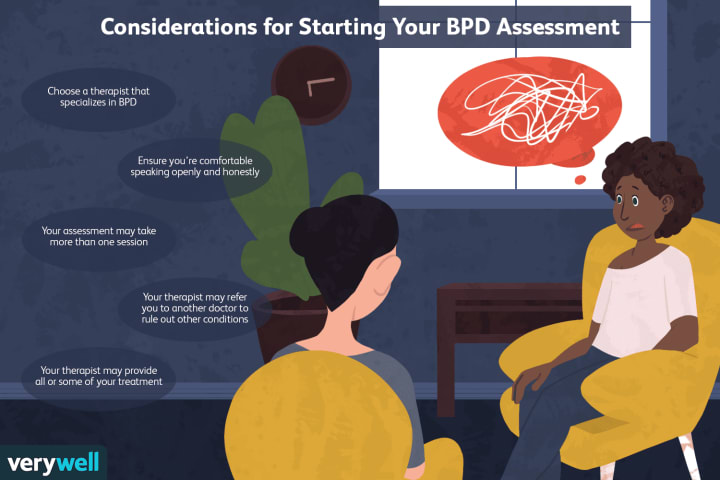
Treatment and Recovery: Treatment for BPD typically involves a combination of psychotherapy, such as dialectical behavior therapy (DBT), and, in some cases, medication. However, men with BPD may face additional barriers to treatment, including a reluctance to seek help, difficulties finding mental health professionals who understand and specialize in BPD, and limited access to support services tailored to their needs. It is essential to address these barriers and provide inclusive and accessible treatment options for men with BPD.
Despite these challenges, recovery is possible for men with BPD. With appropriate support, therapy, and self-care strategies, individuals can learn to manage their emotions, improve their relationships, and develop
About the Creator
Jeff koli
Pure Facts in Life!
Importance Of Privacy In Romance For Trust And Emotional Security
Privacy is a crucial but not a well understood part of love. It is a common misconception that in order to be intimate with someone, one has to share everything with the partner. Nevertheless, healthy relationships understand that human beings still require their own space, thoughts, and experiences that are not shared. Privacy can ensure the partners retain their personalities and yet develop a significant relationship. When one person does not cross the boundaries of the other, the person will not feel suffocated or controlled. Rather than detracting a relationship, proper privacy in fact enriches it because it builds a healthy dynamic in which both members of the relationship feel respected, held in high regard, and safe in their emotions.
By Robert Smith4 days ago in Humans




Comments
There are no comments for this story
Be the first to respond and start the conversation.