
Liposuction Myths vs. Facts
Debunking Common Misconceptions About Liposuction
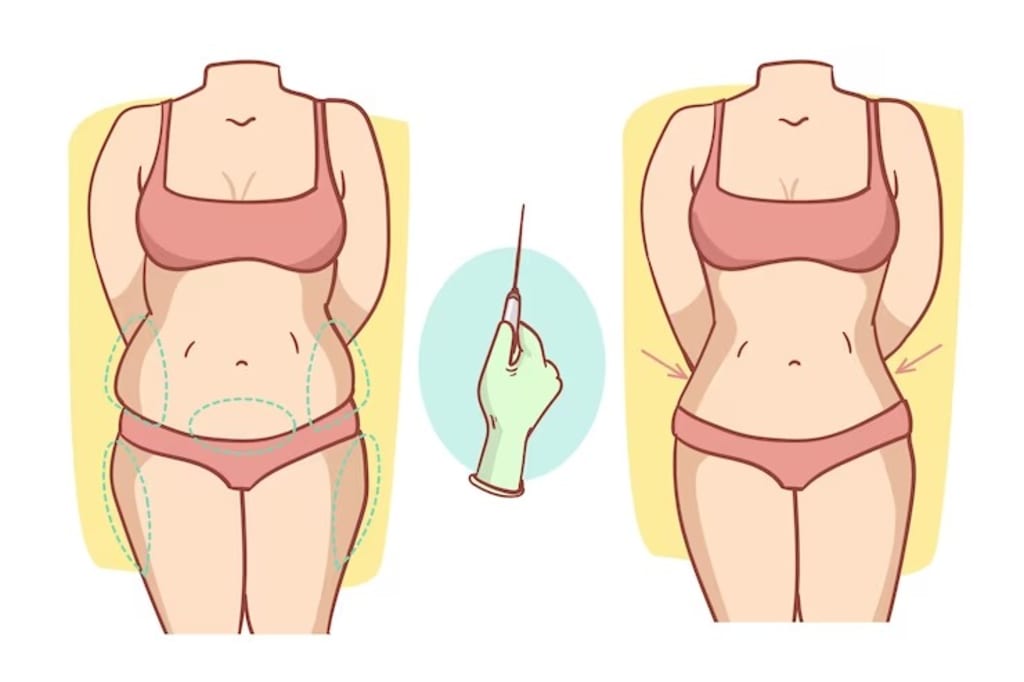
Liposuction is one of the most popular cosmetic procedures worldwide, yet it’s also surrounded by myths and misconceptions that often create confusion. Understanding the reality of what liposuction can — and cannot — achieve is essential for anyone considering the procedure. Restore Clinic in Mumbai, under the expert guidance of Dr. Ashish Sangvikar, provides detailed consultations that help patients make informed decisions. Here, we’ll debunk some of the most common myths and replace them with facts so you can understand liposuction better.
Myth 1: Liposuction is a Weight Loss Solution
Fact: Liposuction is for Body Contouring, Not Weight Loss
One of the biggest misconceptions about liposuction is that it’s a quick way to lose weight. In reality, liposuction is a body contouring procedure designed to remove stubborn pockets of fat that don’t respond to diet and exercise. While patients might notice some reduction in their weight, the primary goal of liposuction is to improve shape and proportions rather than achieving significant weight loss.
Myth 2: Liposuction Results Are Permanent
Fact: Maintaining Results Requires a Healthy Lifestyle
Another common belief is that liposuction results are permanent. While the fat cells removed during liposuction do not return, it’s still possible for remaining fat cells to expand if the patient gains weight. Liposuction can be transformative, but sustaining the look requires commitment to a healthy lifestyle.
Myth 3: Liposuction Will Tighten Loose Skin
Fact: Liposuction Targets Fat, Not Skin Elasticity
Many people believe that liposuction can tighten loose or sagging skin, but this isn’t the case. Liposuction primarily removes fat and does not directly address skin elasticity. For patients with good skin elasticity, the skin may conform to the new contours naturally. However, in cases of significant skin laxity, other procedures, such as a tummy tuck or skin tightening treatments, may be recommended alongside liposuction.
Myth 4: Liposuction Is Dangerous
Fact: Liposuction Is Safe When Performed by Qualified Experts
While every surgical procedure carries some risk, liposuction is generally very safe when performed by a qualified and experienced surgeon. Patient safety is paramount, and Dr. ensures each patient is a good candidate for the procedure by evaluating their health, goals, and expectations during the consultation process.
Myth 5: Liposuction Results Are Immediate
Fact: Full Results Take Time to Develop
Some people expect to see dramatic changes right after liposuction. However, it’s important to understand that the body needs time to heal. Post-surgical swelling can obscure initial results, and it may take several weeks or even months for the full effect to be visible.
Myth 6: Liposuction Is Only for the Abdomen
Fact: Liposuction Can Target Various Areas of the Body
While the abdomen is one of the most common areas for liposuction, this procedure can also effectively target other areas, such as the thighs, arms, back, neck, and even the chin. This makes liposuction an excellent solution for people who have specific areas of concern that are resistant to traditional weight loss efforts.
Myth 7: Liposuction Can Remove Cellulite
Fact: Liposuction Isn’t Effective for Treating Cellulite
Cellulite is caused by fibrous bands that pull the skin down while pushing fat cells up, creating a dimpled appearance. Liposuction does not address these fibrous bands, so it isn’t an effective treatment for cellulite. Patients are informed that while liposuction can improve body contours, it doesn’t specifically reduce the appearance of cellulite.
Myth 8: Liposuction Has a Long Recovery Period
Fact: Modern Techniques Make Recovery Faster and Easier
Recovery times have significantly improved with advancements in liposuction techniques. While each patient’s healing process varies, most people can resume light activities within a few days and return to their routine in about two weeks.
Myth 9: Liposuction Is Painful
Fact: Discomfort Is Managed with Modern Anesthesia and Techniques
A common fear is that liposuction is a painful procedure. Most patients report manageable discomfort during recovery, akin to soreness after a vigorous workout. The team also provides detailed aftercare instructions and pain management options to ensure comfort throughout the healing process.
Conclusion
Liposuction is a powerful tool for body contouring, but understanding its scope, benefits, and limitations is essential. By dispelling myths and providing factual information, it helps patients make informed decisions about their bodies and their goals.
About the Creator
I Don't Need My Phone... Wait, Is That Actually True?
My parents gave me my first cell phone when I was twelve years old. It wasn't a fancy iPhone or anything, not even close. Just a simple black flip phone for when I needed to call or text them after school.
By Madison "Maddy" Newtona day ago in Humans
The Quiet Journey Toward Who I Really Am
I Used to Believe Life Would Explain Itself — Now I Know It Doesn’t For a long time, I thought life would eventually make sense on its own. I believed that eventually, all the confusion, quiet disappointments, and unanswered questions would fall into place, neatly lining up so I could understand. Turns out, I was wrong. Life doesn’t hand you all the answers. Instead, it asks you to live first and maybe understand later—if you’re lucky.
By Caca Oispipi4 days ago in Humans



Comments
There are no comments for this story
Be the first to respond and start the conversation.