
Learn to Be Alone: Why Solitude Is Becoming a Life Skill in a Noisy World
In an age of constant connection, learning to be alone may be the most underrated form of self-growth
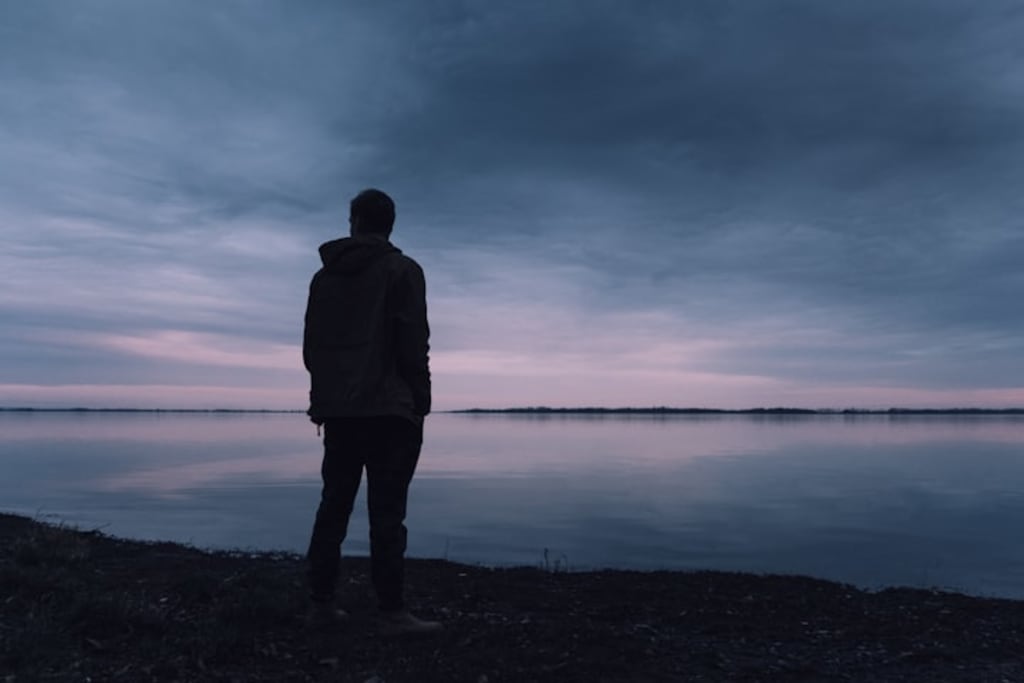
We live in a world that rarely allows silence. Notifications buzz, timelines refresh endlessly, and the pressure to stay socially visible never really stops. Against this backdrop, the idea behind the phrase “Learn to Be Alone…” sounds almost radical. Yet for many psychologists, creators, and cultural thinkers, learning to be alone is no longer a luxury or a sign of loneliness—it is a survival skill.
Being alone does not mean being isolated or disconnected from society. It means developing the emotional strength to sit with yourself without fear, distraction, or validation from others. As modern life grows louder and more crowded, solitude is quietly becoming one of the most powerful tools for mental clarity, creativity, and self-understanding.
---
Alone Is Not Lonely: Redefining a Misunderstood Concept
One of the biggest misconceptions about being alone is that it automatically equals loneliness. In reality, loneliness is the pain of feeling unseen or emotionally disconnected, while solitude is the choice to be with yourself. The two can exist separately.
Many people who are constantly surrounded by others still feel lonely, while others who spend time alone feel deeply fulfilled. Learning to be alone means learning to enjoy your own presence, to hear your own thoughts, and to understand your emotional patterns without external noise shaping them.
Culturally, solitude has often been misunderstood or even stigmatized. People who enjoy being alone are sometimes labeled antisocial or detached. However, history tells a different story. Writers, philosophers, scientists, and spiritual leaders have long credited solitude as the space where clarity and insight are born.
---
The Psychological Power of Solitude
Modern psychology increasingly supports the value of healthy solitude. Time spent alone allows the brain to process emotions, consolidate memories, and reduce overstimulation. It gives individuals room to reflect rather than react.
When people never allow themselves to be alone, they often rely on others for emotional regulation. This can lead to anxiety, people-pleasing, or fear of abandonment. Learning to be alone helps break these patterns by strengthening self-trust and emotional independence.
Solitude also improves decision-making. Without constant input from others, individuals can better distinguish between what they truly want and what they have been conditioned to want. Over time, this builds confidence—not the loud, performative kind, but a quiet assurance rooted in self-awareness.
---
Creativity Thrives in Quiet Spaces
For artists, writers, and vocal creators, solitude is often where the most honest work begins. When external voices fade, internal stories become clearer. Many of the world’s most impactful ideas were formed in moments of isolation, reflection, or retreat.
In the digital age, creativity is often shaped by trends and algorithms. Learning to be alone allows creators to step back from constant comparison and rediscover their authentic voice. This is especially important for those who speak publicly or create media content, as audiences increasingly value sincerity over perfection.
Solitude does not kill inspiration—it refines it. It gives ideas time to mature rather than forcing them to perform immediately for likes or validation.
---
Learning to Be Alone in Relationships
Ironically, learning to be alone can make relationships healthier. People who are comfortable with solitude are less likely to enter relationships out of fear, dependency, or social pressure. Instead, they choose connection from a place of wholeness rather than need.
When individuals know how to enjoy their own company, they bring more balance into friendships and romantic partnerships. They respect boundaries, communicate more honestly, and do not expect others to constantly fill emotional gaps.
This does not mean withdrawing from love or community. It means understanding that no relationship can replace a strong relationship with yourself. Learning to be alone teaches people to give love without losing themselves in the process.
---
Solitude in a Hyper-Connected World
Technology has made being alone physically easier but emotionally harder. Even when people are by themselves, they are rarely truly alone. Phones, streaming platforms, and social media ensure constant stimulation. As a result, many people feel uncomfortable the moment silence appears.
Learning to be alone today often starts with small, intentional choices: walking without headphones, sitting quietly without checking a screen, or spending time reflecting instead of scrolling. These moments may feel uncomfortable at first, but discomfort is often a sign of growth.
Over time, solitude becomes less intimidating and more grounding. It becomes a place of rest rather than escape.
---
A Skill Worth Learning
“Learn to Be Alone…” is not a message about rejecting others—it is about reclaiming yourself. In a world that constantly pulls attention outward, solitude pulls it back inward. It teaches emotional resilience, strengthens creativity, and builds a deeper sense of identity.
For vocal creators, thinkers, and everyday individuals alike, learning to be alone is an investment. It sharpens perspective, protects mental health, and creates space for authenticity to flourish.
In the end, solitude is not something to fear. It is something to practice. And in learning to be alone, many people discover the strongest, most honest version of who they are.
About the Creator
Keep reading
More stories from Sadaqat Ali and writers in Humans and other communities.
Jim Carrey: The Man Behind the Laughter
Jim Carrey is widely recognized as one of the most energetic and distinctive performers in modern entertainment. Known for his elastic facial expressions, fearless physical comedy, and unexpected dramatic depth, Carrey has carved a unique space in Hollywood. Yet beyond the laughter and fame lies a story of persistence, creativity, and personal evolution that makes his journey just as compelling as his performances.
By Sadaqat Ali5 days ago in Humans
The Angry Man in Your House
"If you grow up with an angry man in your house, there will always be an angry man in your house" This statement has caused plenty of controversy online, people say its a statement that blames victims while also undermining those who break traumatic cycles to form health relationships... but if I'm honest now that I'm in my 30s it makes more sense to me than ever, and I'd argue that its not just about fathers and uncles.
By S. A. Crawford4 days ago in Humans
Field of the Fallen
The Field of the Fallen is a poignant concept that represents the eternal memorial to those who have sacrificed their lives in the line of duty, whether in military conflict, humanitarian efforts, or any other circumstances that involve giving one's life for the greater good. This field serves not only as a physical location for remembrance, but also as a symbolic representation of the price paid for freedom, peace, and justice. It stands as a somber reminder of the cost of war and the human spirit's resilience in the face of such adversity.
By Hadiqa Kiani2 days ago in Humans



Comments
There are no comments for this story
Be the first to respond and start the conversation.