
Laila and Majnoon
A timeless tale of devotion stronger than family, society, and fate

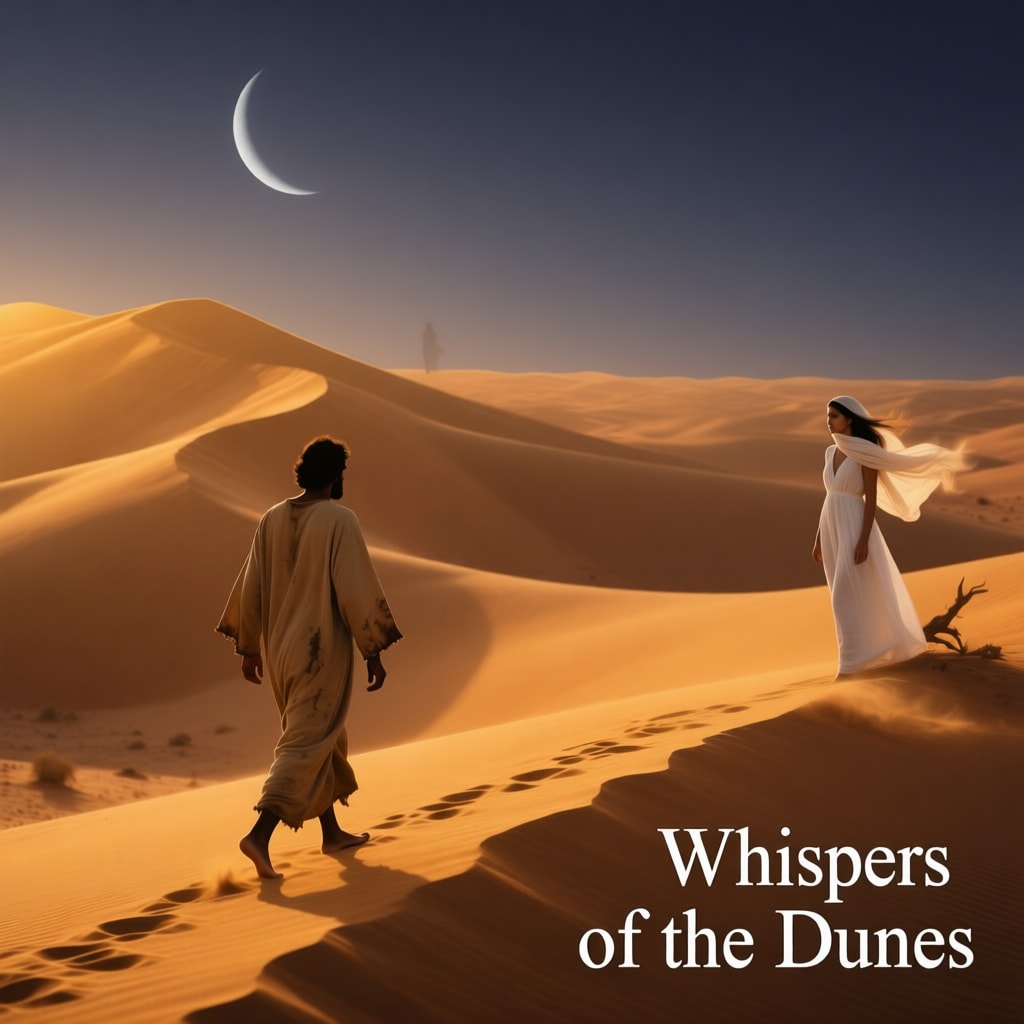
The Love That Refused to Die
Long ago, in the wide and whispering deserts of Arabia, lived a young man named Qais. He belonged to a respected tribe, but he was known not for his strength or wealth—he was known for his heart. Qais had a rare gift for poetry, a softness that made him see beauty in every corner of the world. To him, the desert was never empty; it breathed, it sang, it carried secrets.
Then one afternoon, under the soft warmth of the sun, he saw Laila.
She stood in the courtyard of their school, her veil catching the desert breeze, her eyes calm like still water. In that single moment, something changed inside Qais. It was as if the world had stopped, allowing only the two of them to exist. They were young, yet their hearts recognized a connection deeper than childhood.
That simple meeting became the beginning of a bond that neither time nor force could break.
Qais found himself writing her name in every poem he created. His verses carried her presence like a song. When others recited his poetry, they felt the longing in his words. Soon the village began murmuring. “He is losing his mind,” they said. “He is Majnoon—mad with love.”
But Qais was not mad. He was simply in love with a purity the world rarely understands.
Laila, gentle and graceful, felt the same pull. When she heard his poems, her heart trembled. When she saw him walking through the village, her breath hurried. They did not need long conversations; their glances carried more meaning than words ever could. In silence, they spoke. In distance, they felt close.
But love that shines too brightly often draws unwanted attention.
Rumors reached Laila’s family, whispers that filled their home like an unwelcome storm. “Majnoon loves Laila more than life,” people said. “He writes her name on the sand, on stones, in poems he sends to the sky.”
Her family feared shame and dishonor. They believed the world valued reputation more than the feelings of two young hearts. To protect their name, they locked their daughter away from the one she loved.
Doors closed. Windows were covered. Laila’s world became smaller with every passing day.
Majnoon’s world became endless.
Heartbroken yet hopeful, Qais began wandering the desert. He wrote her name on tree trunks. He carved poems into the earth. His love echoed through valleys like a quiet prayer. Travelers spoke of him with awe. Some saw him under the moon, whispering to the stars. Others found him sitting beside wild deer, as if the creatures of the desert recognized and protected him.
While Majnoon wandered freely, Laila lived like a prisoner of her own heart. She cried at night, hiding her tears in the folds of her pillow. She prayed for courage, for patience, for some miracle. But the world was not kind to lovers.
Her family forced her into marriage with another man, a wealthy suitor who promised status and security. Laila had no choice but to obey, though her heart refused the life she was pushed into. In her new home, she became a silent figure—present in body, absent in spirit. Her husband realized she belonged to another, yet he could not change what was destined long before he arrived.
The years that followed were heavy. Laila’s health slowly faded, weakened by sorrow and longing. Majnoon continued wandering, refusing all comforts, refusing to forget. His only companion was her memory.
One night, as candles burned low in her room, Laila whispered his name with her last breath. Her heart, exhausted from waiting, finally surrendered.
When Majnoon heard of her death, something deep inside him broke. He traveled across scorching sands and freezing nights until he reached the place where she lay. Kneeling by her grave, he placed his hand on the earth that held her.
“My Laila,” he whispered, “the world kept us apart in life, but even the world cannot keep us apart forever.”
Majnoon remained there, resting beside her. When morning rose, villagers found him still, peaceful, as if his soul had followed hers into eternity.
They were buried next to each other. Two graves, side by side, became a symbol of love that resisted separation, silence, distance, and death.
Their story spread across deserts and generations, reminding the world that some love is too strong to fade, too pure to be forgotten, and too powerful to ever truly die.
About the Creator
Wings of Time
I'm Wings of Time—a storyteller from Swat, Pakistan. I write immersive, researched tales of war, aviation, and history that bring the past roaring back to life
Keep reading
More stories from Wings of Time and writers in Humans and other communities.
The Promise Under the Banyan Tree
The Promise Under the Banyan Tree Days passed gently after Zoya’s return to the village. The river, the fields, and even the dusty paths seemed to look different when she walked beside Amir. They still didn’t call it love out loud, but everyone who saw them knew what was slowly forming.
By Wings of Time 4 months ago in Humans
Thief In The Night
To the thief in the night that took and replicated what once was mine: Honestly, I feel kind of bad for you. It’s funny, because we hardly know each other. I only know of you through the magazines you’ve written and the broadcasts you have televised in the past — as well as through the public mentions of you from your show business connections there.
By Snarky Lisa7 days ago in Humans
How Singles Overcome Social Anxiety While Meeting Potential Romantic Partners
Social anxiety may pose a considerable challenge to the singles who want to have relationships. It can usually be seen in the form of fear of being judged, being self-conscious and being reluctant to socialize, such as during a dating outing or during an online chat. It is important to realize that such feelings are a shared experience and not an individual weakness to overcome them.
By Willian Jamesabout 19 hours ago in Humans


Comments
There are no comments for this story
Be the first to respond and start the conversation.