
Journey of Faith: My Path from Islam to Christianity
Spiritual
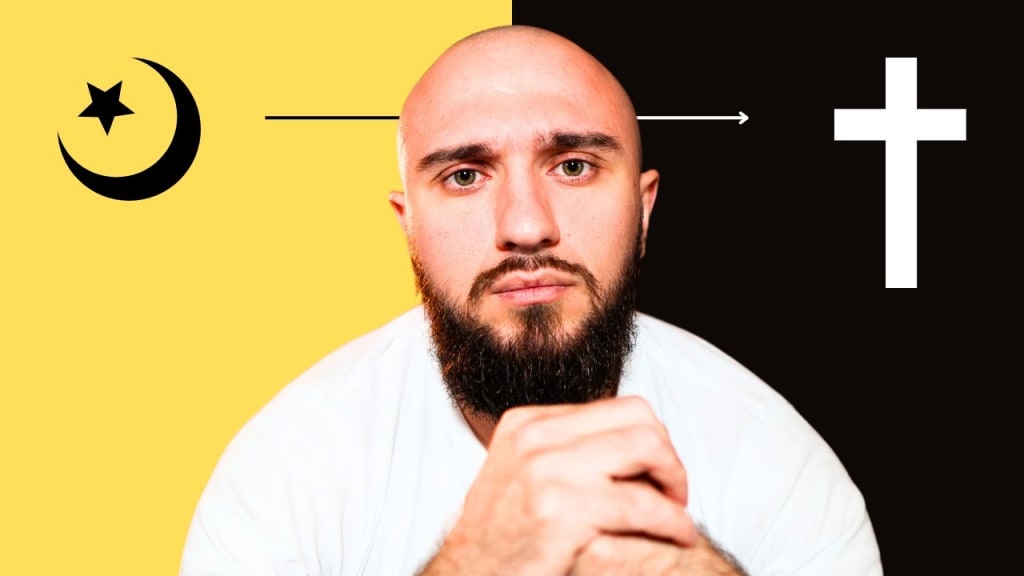
You may be surprised to learn that one of the major catalysts for my conversion to Christianity was the Quran itself. My spiritual journey began in earnest around the age of 32 or 33 when I found myself reaching out for God in ways I had not done so before. Although I grew up with a strong belief in God, I strayed from formal religion during my life. Born into a Muslim family in one of the strictest Islamic countries in the world, my early encounters with religious texts were fraught with conflict and confusion.
As a teenager, I regularly read the Quran, but there were segments that troubled me deeply. Each time I came across verses suggesting a man could strike a woman, I would close the book in frustration, feeling that some of its teachings contradicted my understanding of a benevolent God. I recognized the beauty of the Quran in many ways, but I also sensed that some aspects seemed influenced by human judgment rather than divine intent. My relationship with God remained strong, although my faith in organized religion waned as I made the mistake of judging religion by the actions of its adherents and the texts’ most controversial passages.
In my mid-30s, however, I began a sincere search for God, prompting me to revisit the Quran. It felt only natural to reach for the text that had defined my upbringing. I immersed myself in its verses, recalling that I had often turned to the Bible during my travels, opening hotel drawers to explore its teachings. My familiarity with the Bible made me realize that many stories and lessons in the Quran echoed those found within it. Intrigued by these connections, I concluded that I was effectively reading "part two" of a greater narrative and kindled a desire to read "part one."
Thus, I began to delve into both texts concurrently, scrutinizing their themes and teachings. During this research, I discovered fascinating insights into the life of the Prophet Muhammad and the foundational history of Islam. I learned that Muhammad initially sought to instill Judaism's values among his followers. The concept of God existed long before Islam in that region, but the people struggled to find a solid relationship with God and indeed envied the Abrahamic faiths because they had their own prophets. Muhammad observed this desire for divine connection and began incorporating Jewish customs, which included praying toward Jerusalem multiple times daily.
However, complications arose when some Jewish tribes distanced themselves from him. This tension prompted a shift in Islamic practice — moving the qibla (direction in which Muslims face during prayer) from Jerusalem to Mecca and increasing the frequency of prayer to five times a day. The transformation seemed methodical, revealing a deep understanding of human nature and community needs. Even more intriguing was the influence of Muhammad's Christian relatives, who imparted teachings that shaped Islamic thought.
Despite this exploration of Islam's roots, I sensed discrepancies in the narratives between the Quran and the Bible, notably concerning the life of Jesus Christ. Historical evidence overwhelmingly supports Christ's existence and crucifixion, which contradicts key Quranic verses that claim he was not crucified. Notably, many references within the Quran encourage readers to seek clarity in the Bible, a paradox that piqued my curiosity and led me to further research.
As I delved deeper, I began to understand the essential differences between Christianity and Islam, particularly concerning the figure of Christ. Muslims regard Jesus as a prophet but do not believe he is the Son of God, a position that diverges sharply from foundational Christian beliefs. The concept of the Trinity, encompassing God the Father, the Son, and the Holy Spirit, became clearer to me. This theological framework provided a pathway to reconciliation and understanding that had eluded me previously.
My continued research illuminated historical references outside the Biblical texts that substantiated Christ's life and miracles. Even those who opposed him acknowledged that he performed miraculous acts, albeit attributing them to sorcery rather than divine power. This consensus across various historical accounts reinforced my conviction that Jesus was indeed a significant figure in human history.
The culmination of my studies led me to the realization that the gospel of Jesus Christ offers a singular path to God the Father. The more I examined the scriptures, the more I understood the life-changing power of faith in Christ. It wasn't merely a theological transition for me; it was a profound reawakening that shifted my perspective on faith and spirituality.
In embracing Christianity, I found a rich tapestry of love, grace, and redemption that I believe provides the true reflection of God's nature. This journey allowed me to reconcile my past experiences as a Muslim with my newfound understanding of Christianity. It has been a challenging yet gratifying path, filled with moments of introspection and growth.
Ultimately, my conversion stands as a testament to the quest for truth and the power of faith. Through my explorations of both the Quran and the Bible, I have come to appreciate the profound complexity of spiritual belief systems and the ongoing pursuit of divine connection. It is a journey that I continue with humility and hope, celebrating my relationship with God, who has revealed Himself to me in extraordinary and transformative ways.
About the Creator
Keep reading
More stories from David Iliya and writers in Humans and other communities.
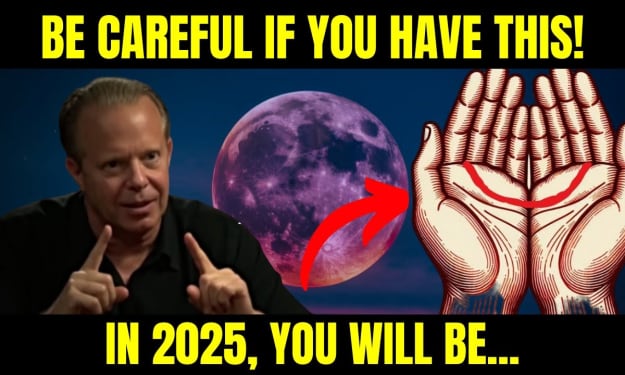
The Eerie Mark of Destiny: What the Crescent Moon and M Symbol on Your Palm Mean For You?
Have you ever glanced at your palm and noticed the eerie shape of a crescent moon accompanying the letter M? If so, prepare yourself for an exploration into the captivating world of chiromancy. Today, we will navigate through the forces of fate that these intriguing markings may herald for you in 2025. This journey is not just about foreseeing the future but understanding how these symbols intertwine with your life's purpose.
By David Iliya12 months ago in Humans


Comments
There are no comments for this story
Be the first to respond and start the conversation.