
"Is White Chocolate is Chocolate?"
The fact that White chocolate isn’t chocolate.
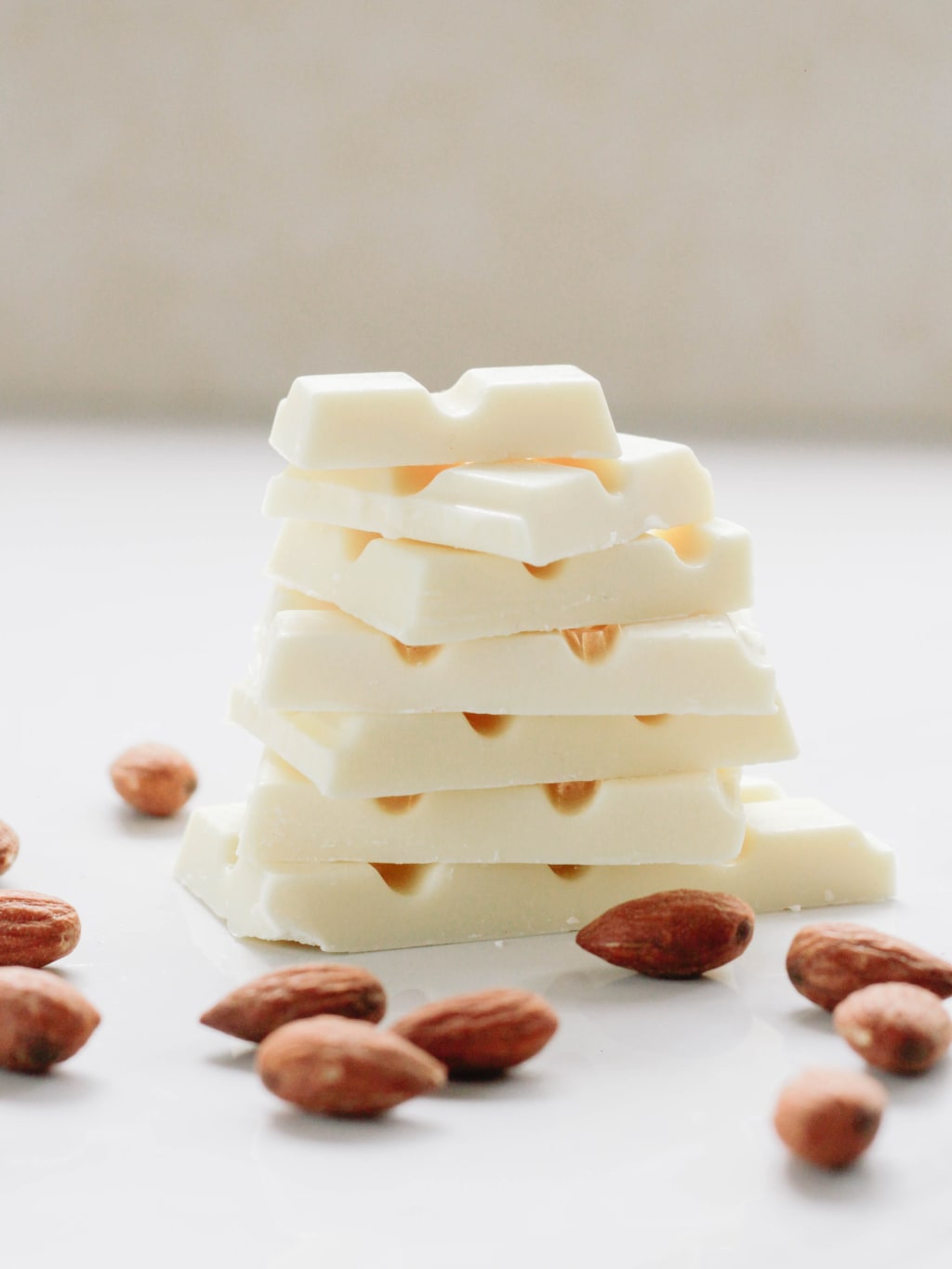
Introduction:
White chocolate, with its ivory hue and sweet, creamy flavor, is a beloved treat often associated with its darker chocolate counterparts. However, despite its name, white chocolate isn't technically a member of the chocolate family. In this exploration, we delve into the world of white chocolate, uncovering its unique composition, its distinction from traditional chocolate, and the reasons behind its misleading name.
The Deceptive Moniker:
White chocolate's identity crisis begins with its name. While it carries the "chocolate" label, it lacks a fundamental ingredient that defines traditional chocolate—cocoa solids. The absence of cocoa solids means that white chocolate doesn't meet the standard criteria for being classified as true chocolate.
Ingredients of White Chocolate:
To understand the divergence between white chocolate and its darker counterparts, let's examine the key components of each:
- Cocoa Butter: The primary ingredient in white chocolate is cocoa butter, which is the fat extracted from the cocoa bean. While cocoa butter contributes the smooth texture and richness associated with chocolate, it lacks the cocoa solids responsible for the deep, chocolatey flavor.
- Sugar: White chocolate contains a significant amount of sugar to sweeten the cocoa butter, providing the characteristic sweetness and helping to balance the lack of bitterness from cocoa solids.
- Milk Solids: Milk solids, including milk powder and sometimes condensed milk, are often added to white chocolate to enhance its creaminess and provide a milky flavor.
- Vanilla: To impart additional flavor, vanilla is commonly included in white chocolate formulations.
The Absence of Cocoa Solids:
The defining element that distinguishes white chocolate from traditional chocolate is the absence of cocoa solids. In dark and milk chocolates, cocoa solids contribute not only to the flavor but also to the color, giving them their characteristic brown hue. Since white chocolate lacks cocoa solids, it remains pale in color, resembling ivory or cream.
Regulatory Standards:
Recognizing the unique composition of white chocolate, regulatory bodies have established standards to differentiate between true chocolate and white chocolate. In the United States, for example, the Food and Drug Administration (FDA) sets specific requirements for chocolate products.
According to the FDA, white chocolate must contain a minimum of 20% cocoa butter, 14% milk solids, and 3.5% milk fat. While these standards ensure that white chocolate maintains a certain quality, they also emphasize the importance of cocoa butter as a defining ingredient.
Culinary Uses and Popularity:
Despite its departure from the traditional chocolate recipe, white chocolate has found its place in the hearts of confectionery enthusiasts and culinary professionals alike. Its sweet and creamy profile makes it a versatile ingredient in a variety of desserts, including cookies, cakes, and candies.
White chocolate's popularity extends beyond the dessert realm, with its incorporation into beverages such as hot cocoa and mochas. Its ability to provide a rich, velvety texture and a sweet flavor enhances the overall sensory experience of these treats.
Challenges in the Chocolate World:
The distinction between white chocolate and traditional chocolate can sometimes lead to debates among chocolate purists. While white chocolate has earned its own following and culinary merit, it remains a departure from the centuries-old tradition of crafting chocolate from the combination of cocoa solids, cocoa butter, and sugar.
Innovation and Exploration:
The culinary world is known for its creativity and willingness to push boundaries. In recent years, chefs and chocolatiers have embraced the unique qualities of white chocolate, experimenting with flavor infusions, exotic additions, and novel applications. This innovation has expanded the repertoire of white chocolate, demonstrating its adaptability and versatility in the ever-evolving world of culinary arts.
Conclusion:
White chocolate, despite its misnomer, has carved out a distinct niche in the world of sweets. Its smooth texture, creamy flavor, and absence of cocoa solids set it apart from traditional chocolate, challenging our preconceptions about what defines this beloved treat. While debates about its classification persist, there's no denying the joy that white chocolate brings to those who appreciate its unique and delightful qualities. So, the next time you savor a piece of white chocolate, relish in the delicious deception that is both its name and its delectable taste.
About the Creator
Keep reading
More stories from fatima zahra ajankar and writers in Humans and other communities.
"The Medicinal Origins of Ketchup: From Healing Potion to Essential Ingredient."
"Did You Know That Tomato Ketchup Was Once Used As Medicine?" Ketchup, the widely used condiment seen on tables worldwide, is commonly linked to burgers, fries, and various savory meals. Nevertheless, the tale of ketchup is much more captivating than its present-day culinary applications. In a captivating turn of events, ketchup was not always limited to the realm of gastronomy—it was once celebrated as a healing potion with alleged health advantages. This investigation delves into the unexpected beginnings of ketchup as a medicinal substance, tracing its evolution from a supposed panacea to a cherished culinary accompaniment.
By fatima zahra ajankar2 years ago in Humans
Whiskey At Dusk
Guess the whiskey was more important to you in the end, wasn’t it? It was more than the well-being of your friends; more vital than showing up to the places you promised you would and could come to; more critical of a matter than fulfilling your damn responsibilities and getting the press off your back.
By Snarky Lisaa day ago in Humans


Comments (1)
Hello Fatima, AI is permitted on Vocal but it is a Vocal policy that content created with AI is mentioned at the start of the story/article. Your article/story has many telltales of AI-generated content. If you don’t correct this the content may be removed by Vocal and/or you may be banned from the Vocal.