
Is Cannabis a Safe Option for Managing Bipolar Disorder?
Weighing the Benefits and Risks of Cannabis for Bipolar Disorder Treatment


Bipolar disorder is a multifaceted mental health condition marked by significant mood fluctuations, including manic episodes and depressive phases. Managing bipolar disorder typically involves a blend of traditional treatments such as mood stabilizers, antipsychotics, and psychotherapy, all tailored to the individual's needs. However, as cannabis becomes more widely legalized and accepted, many are exploring its potential as a treatment option. Is cannabis a safe and effective method for managing bipolar disorder, or does it carry more risks than advantages? Let’s explore the science, personal experiences, and expert insights on this topic.
Understanding Cannabis and Its Components
Cannabis is a plant that contains over 100 active compounds, including tetrahydrocannabinol (THC) and cannabidiol (CBD). THC is the psychoactive element responsible for the "high," while CBD is non-intoxicating and has been researched for its possible therapeutic effects, such as alleviating anxiety, reducing inflammation, and controlling seizures.
Cannabis interacts with the brain through the endocannabinoid system, which plays a role in regulating mood, appetite, sleep, and pain. This interaction has led some researchers and individuals to consider its potential for mood stabilization in conditions like bipolar disorder.
The Potential Benefits of Cannabis for Bipolar Disorder
1. Symptom Management
There are anecdotal reports suggesting that cannabis might help manage symptoms of bipolar disorder. For instance:
Depressive Episodes: Some studies indicate that CBD can help reduce anxiety and depressive symptoms, which may be beneficial during the depressive phases of bipolar disorder.
Manic Episodes: While evidence is limited, some individuals claim that using cannabis helps them "calm down" during manic or hypomanic episodes, potentially easing irritability or restlessness.
2. Improved Sleep and Relaxation
Insomnia and anxiety are prevalent among those with bipolar disorder. Cannabis, especially strains that are high in CBD or low in THC, has been shown to promote relaxation and enhance sleep quality, which could help stabilize mood indirectly.
3. Alternative to Pharmaceuticals
Many individuals look to cannabis as a natural alternative to traditional medications, noting that it often has fewer side effects compared to options like lithium or antipsychotics. For those who struggle with severe side effects from prescribed medications, cannabis may appear to be a suitable alternative.
The Risks and Challenges of Using Cannabis for Bipolar Disorder
While cannabis may offer some benefits, its use for managing bipolar disorder carries notable risks, especially for those with a predisposition to mental health conditions.
1. Exacerbation of Symptoms
Research shows that cannabis, particularly strains high in THC, can worsen the symptoms of bipolar disorder for certain individuals. Elevated THC levels may trigger or intensify:
Manic Episodes: The psychoactive properties of THC can resemble mania, leading to increased agitation, impulsivity, and rapid thoughts.
Psychosis: Individuals with bipolar disorder face a heightened risk of psychosis, and cannabis use—especially when heavy or prolonged—has been associated with psychotic episodes.
2. Addiction and Dependency
Frequent cannabis use can result in dependency for some people. This can complicate the management of bipolar disorder, as substance use disorders often worsen mental health issues.
3. Interaction with Medications
Cannabis might interact with standard bipolar medications, such as mood stabilizers or antipsychotics, potentially diminishing their effectiveness or leading to side effects. For instance, using cannabis alongside sedative medications could heighten drowsiness or cognitive difficulties.
What Does the Research Say?
The scientific community is still debating the use of cannabis for bipolar disorder, largely due to limited and sometimes contradictory research. Some studies point to potential benefits, especially from CBD, while others warn about the risks associated with THC.
Key Findings:
A 2015 review published in PLOS ONE indicated that cannabis use could worsen manic symptoms in individuals with bipolar disorder.
A 2020 study found that while some people with bipolar disorder turn to cannabis for self-medication, this often leads to worse overall mental health outcomes.
Research on the specific effects of CBD on bipolar disorder is still in its infancy, but its anti-anxiety and anti-inflammatory properties appear promising.
Clearly, more clinical trials are necessary to reach definitive conclusions regarding the role of cannabis in treating bipolar disorder.
Guidelines for Consideration
If you're thinking about incorporating cannabis into your treatment plan for bipolar disorder, it's crucial to proceed with caution:
- Consult Your Doctor: Always talk to your healthcare provider about cannabis use to assess potential risks, interactions, and tailored advice.
- Start Low, Go Slow: If your doctor approves, begin with a low dose, prioritizing CBD-dominant products to limit psychoactive effects.
- Monitor Your Symptoms: Keep a thorough record of how cannabis impacts your mood, sleep, and overall mental health.
- Avoid THC-Dominant Strains: If you're susceptible to mania or psychosis, focusing on CBD may help reduce the risk of worsening symptoms.
Cannabis may have potential benefits for managing certain symptoms of bipolar disorder, but it is not a universally safe or effective choice. Individual responses can vary significantly, and there are risks of exacerbating symptoms or developing an addiction, making it essential to approach this option with caution and under medical supervision. As research progresses, we may better understand how cannabis—particularly CBD—can be integrated into the broader treatment landscape for bipolar disorder.
For the time being, the most prudent strategy is to stick with established treatments while maintaining an open conversation with your healthcare provider about alternative options like cannabis. If you decide to explore cannabis products, make sure to choose reputable sources such as Get Glass Distribution, a reliable provider of high-quality, lab-tested CBD and THC products. Their commitment to transparency and quality makes them a great choice for anyone considering cannabis as part of their wellness journey. Always prioritize safety and informed choices when adding cannabis to your mental health plan.
About the Creator
Get Glass Distribution
Get Glass Distribution, the leading wholesaler of high-quality smoking supplies for cannabis enthusiasts. Get Glass Distribution ensures that you have access to the latest and most innovative smoking accessories on market.
Keep reading
More stories from Get Glass Distribution and writers in Humans and other communities.
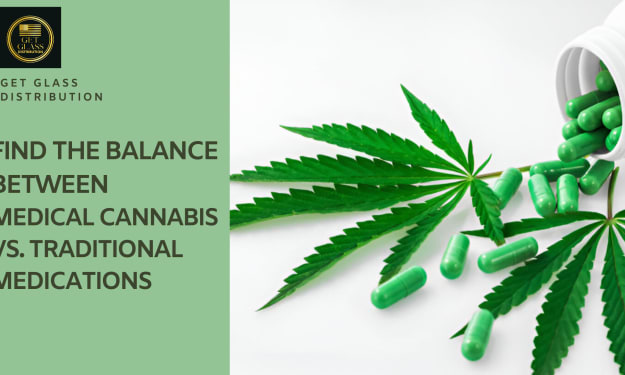
Medical Cannabis vs. Traditional Medications: Pros and Cons
Medical cannabis has become increasingly popular as a potential alternative or complement to traditional medications. Patients dealing with chronic pain, anxiety, or epilepsy often turn to cannabis-based treatments because of their unique benefits and reported effectiveness. However, like any medical approach, it has its advantages and disadvantages. It's important for both patients and healthcare providers to understand the pros and cons of medical cannabis in comparison to conventional pharmaceuticals.
By Get Glass Distributionabout a year ago in Humans



Comments
There are no comments for this story
Be the first to respond and start the conversation.