
Insights on the 50th Anniversary of Equal Pay for Women, Making a Difference
Women make up more than half of the world's population

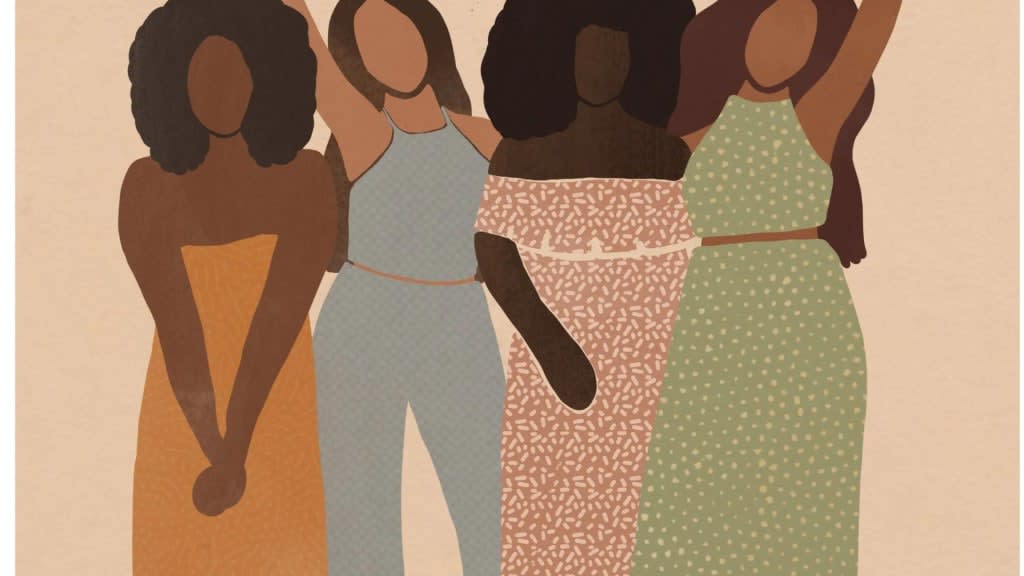
This piece examines the 50th anniversary of equal pay for women and charts the history from the Lilly Ledbetter Fair Pay Act to the present, noting both the accomplishments and ongoing difficulties in reducing the wage difference.
It was against the law to pay men and women different wages for the same work when President John F. Kennedy signed the Fair Pay Act in 1963. Although it was a significant step in the right direction, the issue was not fully resolved. It took an additional 45 years for the Lilly Ledbetter Fair Pay Act to be enacted, permitting women to bring salary discrimination claims after the 180-day statute of limitations had passed. It is important to consider the accomplishments and the work still left to be done as we commemorate the 50th anniversary of women receiving equal pay.
A significant piece of legislation, the Equal Pay Act of 1963, sought to address the problem of unequal compensation between men and women in the US. It mandated that men and women receive equal pay for equivalent labor, and it served as the starting point for subsequent initiatives to reduce the wage gap. The Act did not entirely address issues like salary discrimination based on race, ethnicity, or other traits, so the issue was not completely resolved.
The Lilly Ledbetter Fair Pay Act, which allowed women to pursue cases for salary discrimination after the 180-day statute of limitations, was not enacted until 2009. As it provided women more time to address prejudice and seek justice, this was a big step towards closing the wage difference. Since then, more legislative initiatives to close the wage gap have been made, including state-level equal pay laws and drafted federal legislation like the Paycheck Fairness Act.
Notwithstanding these efforts, there is still a wage inequality, with women still making 82 cents for every $1 earned by males on average. For women of color and LGBTQ+ people, who also have extra obstacles to fair pay, the disparity is considerably wider. These obstacles include occupational segregation, a lack of access to well-paying positions, and workplace discrimination.
It is crucial to keep fighting for new legislation and the implementation of existing regulations, as well as business responsibilities in ensuring fair pay practices, in order to address these issues. Since many people might not be aware of their rights or how the wage gap affects them, education and awareness are also essential. In order to close the pay gap, it is crucial to provide women the capacity to bargain for fair compensation and to increase the accountability and transparency of pay practices.
There is obviously still a lot of work to be done as we reflect on the 50th anniversary of equal pay for women. It is up to each of us — individuals, government officials, and businesses — to continue the battle for equal pay and make sure that everyone is paid appropriately for their labor. Then we will actually attain female pay equality.
In the United States, the 1960s saw a lot of social and political development. The civil rights movement was gaining ground, and women’s equal rights were becoming increasingly recognized. In this regard, the Fair Pay Act of 1963’s enactment was a crucial step towards gender pay equality.
The feminist movement was a major force in pushing for the Act’s enactment. The National Organization for Women (NOW) and the Department of Labor’s Women’s Bureau played a key role in raising awareness of the issue of women’s underpayment. Feminist campaigners contended that gender shouldn’t be a factor in setting salaries and that women should be paid equally to men for doing the same work.
In order to increase public support for the Act, several women also shared their own personal accounts of discrimination and salary inequalities. After much debate, the Act was finally approved by both Republicans and Democrats, proving that gender wage equality cut across party lines.
How the Act altered the laws governing gender pay equity
Employers were prohibited by the Fair Pay Act from paying men and women different wages for the same work. This ground-breaking law contributed to the establishment of legal protections for women in the workplace and was a crucial step towards achieving gender pay equality. Several legislative initiatives to reduce gender discrimination in the workplace have been made possible thanks to the Act.
The Act’s restrictions and the extent to which it was applied
Gender wage inequality persisted in the United States even after the Fair Pay Act was passed. Many employers discovered ways to get around the regulation, such as giving males better job titles or more perks to support higher compensation. Furthermore, the Act only applied to positions that were essentially identical, leaving leeway for interpretation and loopholes. Because of this, it was frequently difficult to implement the Act, and many women continued to be paid less than their male counterparts.
The Equal Pay Act was passed in 1964, and the Lilly Ledbetter Fair Pay Act was signed into law in 2009. After a woman who worked at Goodyear Tire and Rubber and realized that she had been paid less than her male coworkers for years, this legislation was created. Ledbetter’s complaint was dismissed because, as required by the Fair Pay Act, she did not make a claim within 180 days after the original wage discrepancy. By extending the statute of limitations for filing pay discrimination lawsuits, the Lilly Ledbetter Fair Pay Act gave women the opportunity to take legal action against long-standing wage discrepancies.
President John F. Kennedy signed the Fair Pay Act of 1963 into law, outlawing the payment of different wages to men and women performing the same job. The first federal statute in the United States to address the issue of female wage discrepancy was this historic piece of legislation.
The social and political environment at the time the Act was passed was undergoing substantial change and upheaval. The Civil Rights Movement was in full swing, and the public was becoming more and more aware of the importance of addressing issues of injustice and discrimination. With the feminist movement gathering steam in the 1960s, women were also becoming more vociferous in their demands for equal rights.
In order to promote equal pay for women, the feminist movement was essential. Women were frequently paid less than males for doing the same work, as noted by feminist figures like Gloria Steinem and Betty Friedan, who spoke out against gender pay inequity. Labor unions and women’s organizations also lobbied for legislative action on this matter, and the Fair Pay Act was ultimately approved as a result of their efforts.
The Fair Pay Act’s passing was a major victory in the struggle for gender pay parity and paved the way for other legislative initiatives in this direction. It was hardly the end of the fight, though, and women still have a long way to go before they can expect equal pay for equal labor.
Consideration of more state and federal legislative initiatives to alleviate gender wage disparity
Many state-level and federal legislative initiatives, in addition to the Lilly Ledbetter Fair Pay Act, have been undertaken to address female pay inequality.
Further attention must be given to a number of crucial areas in order to maintain the progress made in closing the gender pay gap.
First, legislating continues to be a key part of bridging the divide. Although the Equal Pay Act and the Lilly Ledbetter Fair Pay Act were significant strides in the direction of female pay equality, there is still more to be done. In order to significantly reduce the wage gap, lawmakers should take other steps like requiring pay transparency or strengthening anti-discrimination laws.
In order to resolve pay discrepancies, corporate responsibility is crucial. Employers can guarantee that they are paying staff members fairly and equally by performing frequent pay audits and teaching managers on unconscious bias, for example. Companies should also make an effort to end occupational segregation, which significantly contributes to the gender wage gap.
Last but not least, closing the pay gap requires empowering women to bargain for fair compensation. Studies have demonstrated that women are less likely than males to negotiate their pay, and that when they do, they frequently experience hostility. We can contribute to ensuring that women are compensated properly for their labor by giving them the abilities and self-assurance to negotiate successfully.
Although there has been a lot of progress in closing the gender wage gap, there is still much to be done. We can continue to make progress towards a more equal and just society by putting an emphasis on legislative action, corporate responsibility, and empowering women to bargain for fair salaries.
There have been a number of further legislative initiatives to alleviate the wage gap since the Fair Pay Act was passed. One of the most notable was the Lilly Ledbetter Fair Pay Act of 2009, which increased the scope of workers’ legal recourse against pay discrimination. Additionally, there have been state-level initiatives, with some states establishing their own equal pay legislation.
Even if the salary gap has decreased since the Fair Pay Act was passed, there are still major issues that need to be resolved. One of the most enduring problems is the pay gap for women of color, who make significantly less money than white women. Other forms of discrimination that make it more difficult for women of color to land well-paying employment, such racism and sexism, add to this disparity.
The segregation of the workforce, where women and men frequently work in distinct fields or occupations, is another problem that affects the wage disparity. Women are more likely to work in traditionally lower-paying industries like healthcare and education. Men, on the other hand, are more likely to work in higher-paying industries like finance and technology.
Further legislative action is required, as is the enforcement of current legislation, to solve these issues. Corporations can also play a part in bridging the gap by implementing policies to remedy any discrepancies found during routine pay equity audits. Since many people might not be aware of their rights or how the wage gap affects them, education and awareness are also essential.
The Equal Pay Act’s 50th anniversary, in conclusion, serves as a reminder of the strides made in closing the salary gap between men and women. To guarantee that all people, regardless of gender or other characteristics, get paid fairly for their job, however, there is still considerable work to be done. We can build a more equal and just society for everybody by continuing to promote change and increase awareness of the problems.
Equal pay for women has been a long-term goal, and getting there has been a difficult road. Even while there has been substantial progress, there is still a wage difference, especially for women of color and LGBTQ+ people. In honor of the 50th anniversary of equal pay for women, it is important to recognize both the progress accomplished and the work still left to be done. It is up to each of us — individuals, government officials, and businesses — to continue the battle for equal pay and make sure that everyone is paid appropriately for their labor. Hopefully, we will actually achieve women's pay equality.
About the Creator
Althea March
I am a writer who searches for facts to create compelling nonfictional accounts about our everyday lives as human beings, and I am an avid writer involved in creating short fictional stories that help to stir the imagination for anyone.
Keep reading
More stories from Althea March and writers in Humans and other communities.
A Hollywood Trend in Crisis for Losing Weight and Controlling Blood Sugar
Ozempic is a prescription medication used for controlling blood sugar levels in people with type 2 diabetes. It is a popular drug among Hollywood celebrities and others as an alternative to losing weight and controlling blood sugar. The drug has gained fame for its effectiveness in aiding weight loss, but it is now facing competition from another product called Smart Blood Sugar.
By Althea March3 years ago in Humans
Overkill
Love, love, love. We love everything. We love our dogs, our cats, our homes. We love our cars, our new snowboard, this new book. Love. The word used to mean something. One did not use that word for mundane things. It was revered and used in beautify longing poetic verse. Some of the most prolific writers, wrote sonnets, lyrics, odes, to the emotion of love, once saved and cherished for a one and only. Now it’s used like the word like, but a little stronger.
By Alexandra Grant4 days ago in Humans


Comments