
Inside the Jared Leto Cult: My Camp Mars Experience Uncovered
Inside the Jared Leto Cult: The Truth About Camp Mars, Mars Island, and the Echelon Fandom

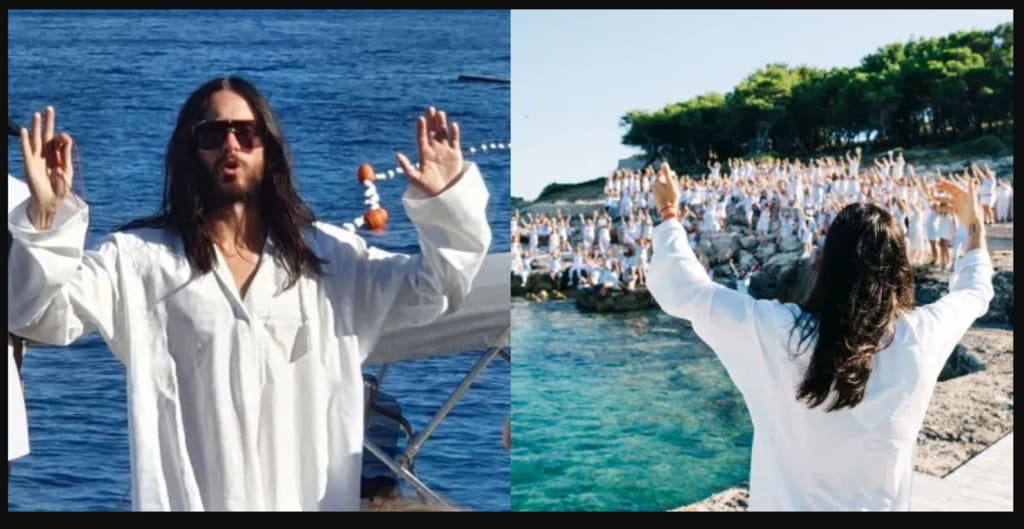
The term Jared Leto Cult has swirled around the internet for years, sparking curiosity, controversy, and countless social media threads. From his role as the enigmatic frontman of Thirty Seconds to Mars to the viral images of him in white robes surrounded by devoted followers on a Croatian island, many have asked—is Jared Leto really running a cult? This article explores the facts, fiction, and fanfare surrounding the so-called Jared Leto Cult and its flagship events: Camp Mars and Mars Island.
1. What Exactly Is the Jared Leto Cult?
The phrase Jared Leto Cult emerged as a mix of satire and suspicion. It refers to the devoted fanbase of Jared Leto’s band, Thirty Seconds to Mars, known as the Echelon. The band’s spiritual branding, exclusive events, and mysterious aura sparked cult comparisons, especially after images from Mars Island surfaced in 2019 showing Leto leading followers dressed in white.
While not officially a cult, the intensity of the fan loyalty—and the band’s encouragement of it—makes the comparison understandable. Leto has even joked about it, stating during interviews that “Yes, this is a cult,” which only fueled the speculation further.
2. Camp Mars: Where the Journey Began
Before Mars Island became a pop culture lightning rod, Camp Mars was where the Jared Leto Cult lore truly began. Launched in 2015, this adults-only summer camp in Malibu, California, offered fans a rare experience: a weekend of music, campfires, hiking, archery, and unplugged bonding with other Thirty Seconds to Mars fans—and occasionally the band themselves.
The event wrapped each day with a concert dubbed “Church of Mars,” giving the entire weekend a quasi-spiritual vibe. The exclusivity and emotional atmosphere fed the narrative that this wasn’t just a fan event—it was a movement.
3. The Evolution to Mars Island: From Fun to Fanatical?
By 2019, the band responded to fan demand for an international version of Camp Mars and launched Mars Island in Croatia. Unlike the Malibu setting, this retreat took place on a luxurious beach resort and came with a steeper price tag. Promotional images showed Jared Leto dressed in flowing white linen, leading followers in silent meditation and beach gatherings.
This marketing angle intensified the Jared Leto Cult conversation. Media headlines claimed he was leading a “private cult” on an island, even though Mars Island is a rented resort and open to the public—if you can afford the ticket.
4. Is It Really a Cult or Just Fan Culture Taken Too Far?
To be clear: Mars Island and Camp Mars are not registered cults or religious movements. But their structure—high-priced exclusivity, emotionally charged gatherings, idolization of a central figure, and loyal participants—check several boxes used in cult classification.
Still, many participants describe these events as joyful, transformative, and empowering. One former attendee noted, “I wouldn’t say I escaped a cult. I just got tired of the antics and toxicity.” That insight captures the tension between fandom and fanaticism that defines the Jared Leto Cult debate.
5. The Echelon: Fan Community or Cult Following?
The Echelon, the official name for Thirty Seconds to Mars fans, operates like an elite society. Members often speak their own lingo, wear exclusive merchandise, and share a sense of identity rooted in their devotion to the band.
Jared Leto and his team have cultivated this bond intentionally. During tours and on platforms like VyRT (a now-defunct digital community for Mars media), the band encouraged fans to “be part of something bigger.” While that can be empowering, it also draws criticism for monetizing emotional connection.
6. The Price of Belonging: Is It Worth It?
Attending a Mars event isn’t cheap. Camp Mars packages started at hundreds of dollars, while Mars Island tickets can run into the thousands—not including travel expenses. Meet-and-greets with Jared Leto often exceed $500, and exclusive digital content once required additional purchases.
Despite the cost, many fans say it was worth it. The feeling of inclusion, personal access to the band, and once-in-a-lifetime moments can be powerful. However, others began to question the transactional nature of these interactions—especially when fan-submitted content was excluded from band projects that initially promised participation.
7. What the Internet Got Right—and Wrong
The Jared Leto Cult tag has become clickbait gold, but it often oversimplifies a more nuanced reality. Critics aren’t wrong to question the blurred lines between artistic branding and exploitative fandom. Yet, calling it a cult in the traditional sense may ignore the agency and awareness many fans have.
Leto himself seems to enjoy the mystique. Whether walking barefoot in white linen or conducting meditative beach circles, he’s leaned into the messiah persona. But at its core, the Jared Leto Cult seems to be more of a luxury fan retreat than a brainwashing compound.
8. Why Some Fans Walked Away
Many early Echelon members have since distanced themselves. The reasons vary—from overpriced events and diminishing artistic quality to feeling like every interaction had a dollar sign attached. As one former attendee said, “I realized I could move forward without the overpriced nonsense and the toxicity of the fanbase.”
This sentiment reflects the disillusionment some feel when fandom shifts from passion to pressure.
9. The Future of Mars Events
After pandemic-related cancellations in 2020 and 2021, Mars Island events resumed, signaling that the Jared Leto Cult narrative isn’t going anywhere. Whether future gatherings will embrace more transparency and accessibility remains to be seen.
Still, the mystique of Mars Island—and the continued loyalty of the Echelon—suggest that Jared Leto’s spiritual-rockstar experiment will continue evolving.
10. Final Thoughts: Cult or Creative Vision?
So, is the Jared Leto Cult real? It depends on how you define a cult. If you mean a group of people willing to spend large sums to follow an artistic visionary around the world and engage in curated spiritual-adjacent experiences—then yes, it fits in a modern sense. But if you mean a manipulative, dangerous organization? The answer is likely no.
At its best, Jared Leto’s fandom offers a sense of belonging and escapism. At its worst, it veers into commercial exploitation wrapped in robes and rock music.
About the Creator
Vincent Otiri
I'm a passionate writer who crafts engaging and insightful content across various topics. Discover more of my articles and insights on Vocal.Media.
Keep reading
More stories from Vincent Otiri and writers in Humans and other communities.
The Richest Black People in the World (2025 Edition): Top 10 Billionaires Transforming Global Wealth
In 2025, the global financial landscape continues to evolve, with wealth concentration expanding into more diverse regions and communities. A powerful example of this transformation lies in the growing number of billionaires of African descent. These individuals are not just wealthy—they are pioneers, investors, innovators, and philanthropists reshaping industries from technology to entertainment.
By Vincent Otiri10 months ago in Humans
Thief In The Night
To the thief in the night that took and replicated what once was mine: Honestly, I feel kind of bad for you. It’s funny, because we hardly know each other. I only know of you through the magazines you’ve written and the broadcasts you have televised in the past — as well as through the public mentions of you from your show business connections there.
By Snarky Lisa7 days ago in Humans
Hottest in the Office
Dear Rafi, You’re very distracting to work around. For the first second I saw you the other day, I thought you were some type of executive. It took a moment to realize no, you were just the new guy, dressed up for the job he wants. Be still, my heart.
By Gabriel Shames4 days ago in Pride



Comments
There are no comments for this story
Be the first to respond and start the conversation.