
India-Pak Conflict: A Win-Win for Everyone?
Behind the smoke of war: How Pakistan, India, China, and even Trump found opportunity in chaos.
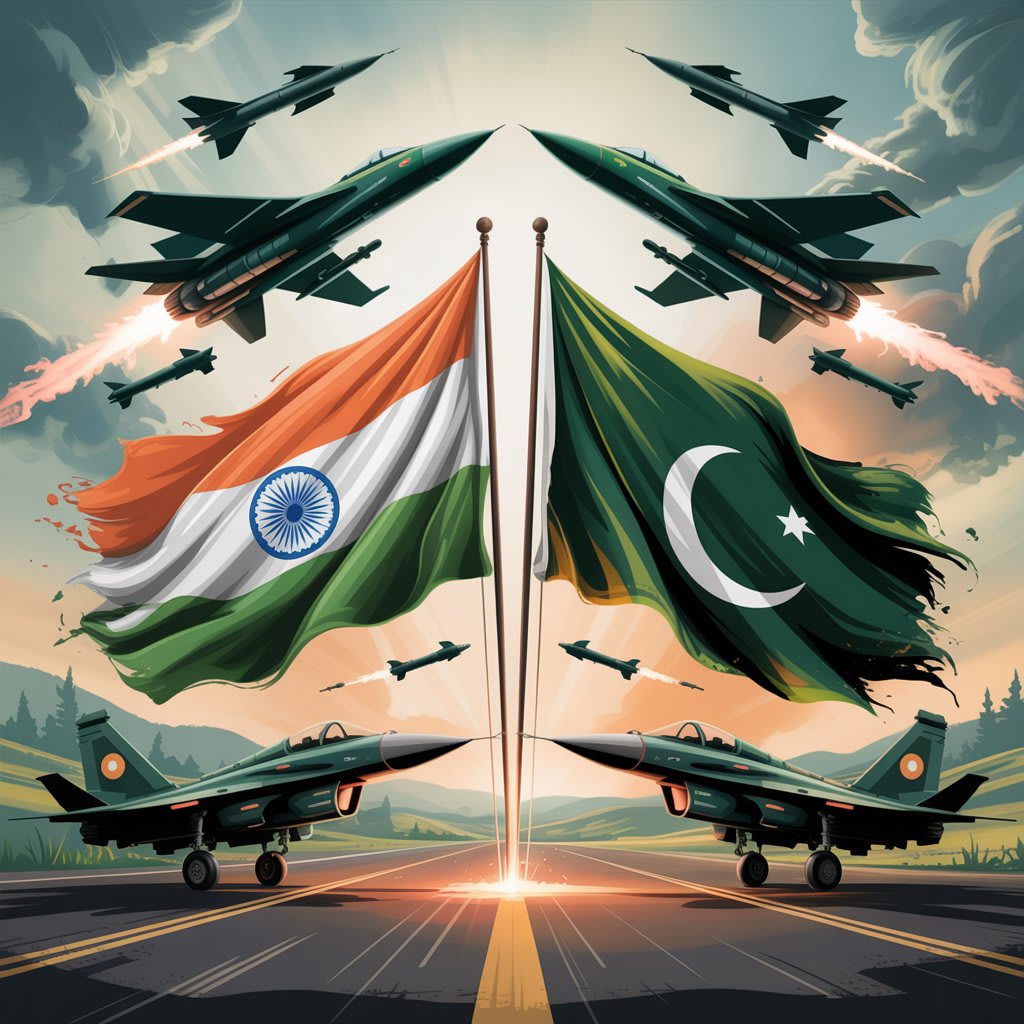
In a world where war often results in devastating losses, the recent escalation between India and Pakistan might seem like a different kind of conflict — one where multiple global and regional players walked away with strategic, political, and even financial “wins.”
While the human cost of war is undeniable, this article explores how various nations and leaders, surprisingly, found opportunity amid rising tension.
Pakistan: IMF Loan, National Unity, and Military Leverage
Amid the growing border tension, Pakistan’s approval for a new IMF loan caught global attention. Critics might argue it’s coincidental, but many believe the geopolitical spotlight helped accelerate international focus on Pakistan’s financial struggle.
The narrative of being under threat helped:
Divert public attention from economic hardship
Strengthen the legitimacy of the military and government
Reframe Pakistan's global image as a responsible actor seeking peace
As a result, Pakistan:
Secured IMF funds to stabilize its economy
Garnered sympathy and diplomatic support from allies like China, Turkey, and Saudi Arabia
Reinforced domestic unity under the “external threat” narrative
India: BJP Wins Hearts, Headlines, and Possibly Elections
For India, particularly the ruling BJP party, the conflict turned into a wave of nationalist support.
The bold rhetoric, military actions, and strong media narrative:
Ignited patriotic sentiment across the country
Shifted attention from inflation, unemployment, and internal protests
Positioned Prime Minister Modi and the BJP as strong protectors of Indian sovereignty
Poll analysts are already predicting a significant electoral advantage for the BJP in upcoming elections, riding on the wave of heightened nationalism and “decisive leadership” branding.
In a politically sensitive year, this conflict was a powerful boost for India’s ruling party.
China: Testing Grounds and Surging Stocks
China, a long-time strategic player in South Asia, remained officially “neutral” — but behind the scenes, it had much to gain.
Here’s what happened:
Chinese missile systems and drones — some reportedly used or showcased via allies — got tested under real tension conditions
Military drills near the Ladakh border served both as a warning and a test of response times
Chinese defense firms saw a surge in stock prices as global demand for regional defense tech grew
Additionally, China benefited from the distraction:
India, preoccupied at its western border, reduced focus on Indo-Pacific alliances
Pakistan reaffirmed its dependence on Chinese defense and diplomatic support
France: A Display Window for Rafale Jets
For France, the conflict became a marketing opportunity. With Indian Rafale jets in the spotlight during high-profile sorties, France:
Gained free publicity for its advanced fighter jets
Demonstrated real-time capability and air dominance
Attracted interest from other countries looking to upgrade air defense
Defense analysts noted that the buzz around Rafale jets led to inquiries from other South Asian and African nations considering French military tech. That’s a win for France’s defense exports.
Donald Trump: Noble Intentions for a Nobel Prize?
In an unexpected twist, former U.S. President Donald Trump re-entered global headlines by offering to mediate peace between India and Pakistan.
With media attention surging, Trump framed his involvement as a peacemaking mission. His statements were bold, branding himself as the one who could “end the longest rivalry in Asia.”
While some mocked the gesture, others noted:
Trump’s peace branding could appeal to his international legacy
Right-wing circles floated the idea of Trump earning a Nobel Peace Prize
His involvement helped boost his relevance in global politics again
Who Truly Lost?
While governments, defense companies, and political leaders extracted some form of gain from the conflict, the common people paid the price:
Civilians feared escalation and devastation
Social media turned toxic with hate and misinformation
Cross-border trade, student exchanges, and cultural cooperation suffered
But in the high towers of politics and power, the gears of opportunity spun faster than missiles.
Final Thoughts: The War That Benefited the Few
This conflict might never be officially recorded as a "win" for anyone, but behind the scenes:
Politicians gained votes
Countries gained leverage
Companies gained profits
And the world watched, engaged, and debated — driving more visibility to every player involved
If peace does follow this chaos, and Trump actually manages to play the mediator, this entire episode may go down in history as a war that everyone won — except the people who had to live through it.
💬 What Do You Think?
While this article explores the conflict from a strategic and geopolitical lens — highlighting how different nations and leaders seemed to gain — it's important to remember that these “wins” are often built on uncertainty, fear, and potential loss of life.
So now, we turn to you, the reader.
👉 Do you agree that the India-Pakistan conflict became a win-win situation for powerful players?
👉 Do you believe peace is genuinely the goal, or are these escalations engineered for deeper agendas?
Share your thoughts in the comments. Let’s hear from different perspectives, because understanding conflict begins with conversation.
About the Creator
ziyad khan
🌿 A curious mind with a passion for writing stories that inspire, inform, and ignite new ideas. I explore topics ranging from everyday life hacks and personal growth to future tech and creative living.
Keep reading
More stories from ziyad khan and writers in Humans and other communities.
How to Defog Your Windshield Instantly: A Clear Guide for Safe Driving
Driving with a foggy windshield is not just annoying—it’s dangerous. Fog forms when moisture in the air condenses on the cold glass, reducing visibility and increasing the risk of accidents. Whether you’re rushing to work in the morning or heading home at night, learning how to defog your windshield instantly can save time and keep you safe.
By ziyad khan8 months ago in Lifehack
Why I No Longer Sell on Amazon
When I published my first book in 2011, I used Lulu. At the time, it was one of the few print-on-demand options that allowed authors to retain control over content, pricing, and distribution. Over the years, I explored other publishing routes, including limited digital placement on Amazon Kindle, but I remained consistent with Lulu for physical books. As of this writing, I am still evaluating whether those remaining Kindle titles will stay available.
By Dr. Mozelle Martin | Ink Profilera day ago in Humans



Comments
There are no comments for this story
Be the first to respond and start the conversation.