
Increasing Diversity in Agriculture
Understanding the role that diversity has to play in the agricultural industry.

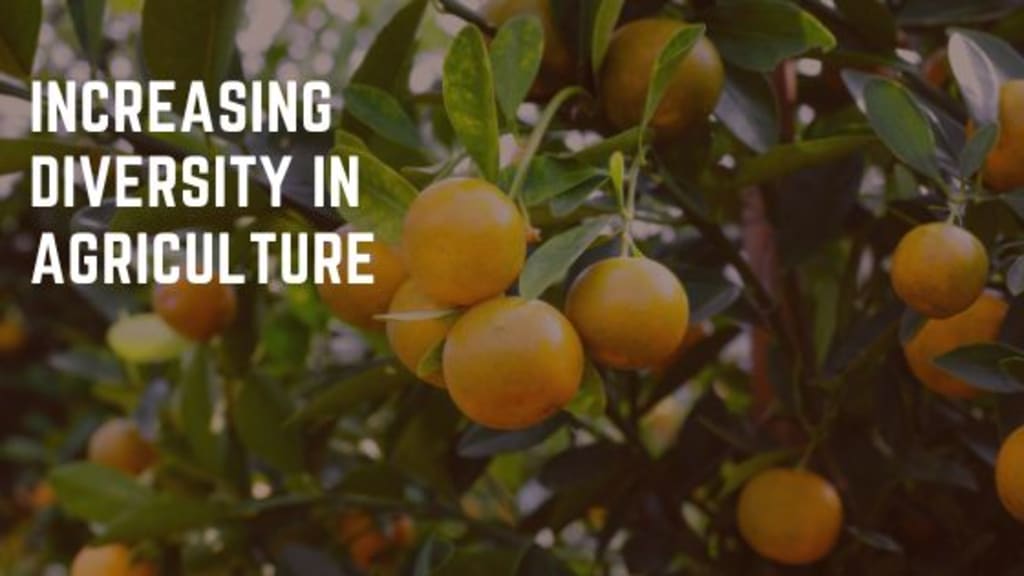
Farmers and other agribusiness professionals well understand the virtue of variety. For example, crop rotation is a widely accepted practice that growers employ to enlarge yields, increase moisture and decrease erosion. They know from theory and experience that the same plant on the same field, season after season, has negative consequences.
Likewise, multiple types of forage for livestock — e.g., perennial grasses and legumes — fight soil compaction and boost protein content. Although ingrained as a positive when it comes to the soil, diversity in agriculture is not so well reflected among the people that compose this vital American economic sector.
Global Diversity in Agriculture
Globally, however, there is a mixed bag of ethnic, racial, gender, and other people groups involved in the production, trading, marketing, processing, and retailing of food and fiber. A 2017 census determined that there were 3,244,344 Caucasian U.S. farmers, a number dwarfing those in all other racial categories. African-American farmers, for instance, register just over 45,500.
The same survey shows that females represent under half of the total sample. While women are a growing presence in agriculture, they are often designated by the culture as farm wives instead of independent operators. True, land and farms are most often passed down in families. Still, an unseen barrier keeps many racial minorities and women from choosing agriculture.
Inside the Farming Industry
The lopsided numbers apply not only to farming but also to wholesalers, processors, and agricultural communicators. Bright spots are on the horizon, however. The National FFA organization reports a growing diversity within and among its many chapters. These students are the agricultural leaders of the future. In addition, 4-H reports show robust participation among Black and Hispanic young people. While positive change may be years in the coming, interest in agriculture among middle and high school students of myriad backgrounds is an encouraging development.
Looking Further
Not to be ignored is diversity on the retail end. Here, too, is progress to be found. Almost 50 percent of restaurant employees are minorities. Women in restaurants exceed that ratio. Yet management and executive jobs are still dominated by whites. Like other points on the foodservice continuum, the growing pool of non-whites available for management training will drive a more diverse leadership profile.
About Wale Seriki
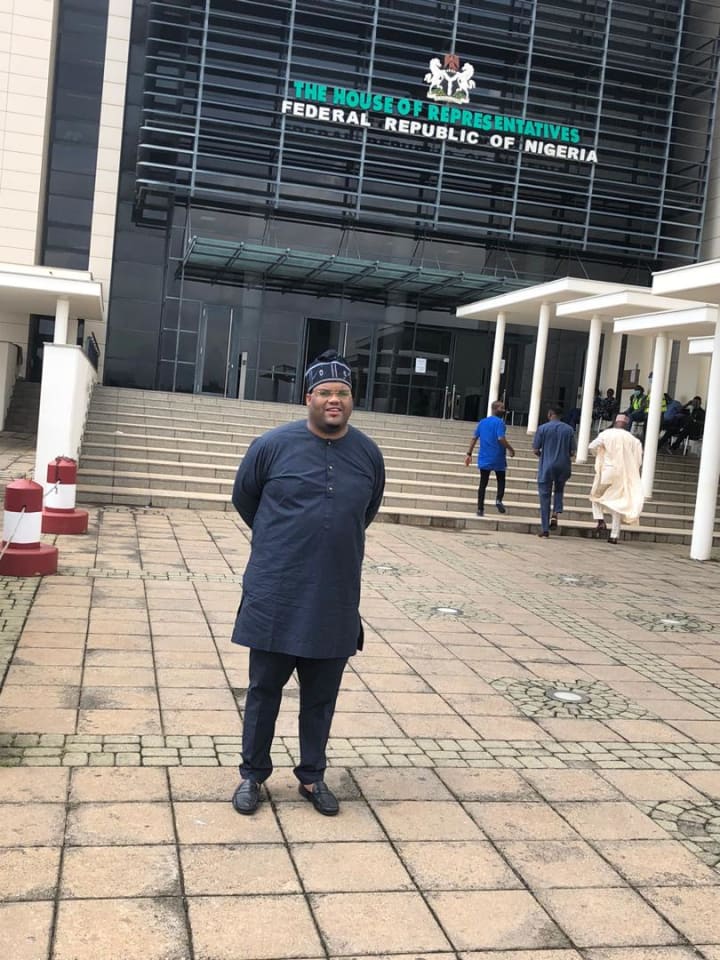
Based in Lagos, Nigeria, Wale Seriki is the Primary Distributor for BioNeat’s West Africa division. As a seasoned businessman and leader, he spent years honing his business acumen in various jobs and positions. At the beginning of his professional career, Wale worked as a stockbroker in a few of New York City’s finest brokerage firms, including Raike Financial and Harrison Securities.
While Wale loved his career in finance and helping clients reach their goals, he always felt like something was missing and began to get homesick for Nigeria. He wanted to do more for his home and the people who lived there. When Wale was introduced to the Vice President of BioNeat, he found his chance to make his dream a reality.
He has always lived by the mindset that helping others provides the most value to one’s own life. His father taught him that a leader is someone who puts the needs of their people before their own, and he hopes that his contribution to his community can help improve people’s lives for the better.
In his downtime, Wale Seriki enjoys letting out some steam by playing a few rounds of golf. At ten years old, his father and uncle taught him how to play. To this day, the days they played golf together were some of the happiest days of his life.
To learn more about Wale Seriki and his views on agriculture, please visit his blog.
About the Creator
Wale Seriki
Wale Seriki is an international businessman and leader based in Lagos, Nigeria. The son of a prominent Nigerian political leader, Wale was raised to put the needs of others before his own. .
Keep reading
More stories from Wale Seriki and writers in Humans and other communities.
The CEO of Everything
They say "jack of all trades, master of none," but they forgot to mention the part where the jack of all trades is also the camera woman, the makeup artist, and the person currently yelling at a tangled Wii microphone cable in a her own bathroom while recording herself singing and trying to make it look realistic and professional. (As professional as you can make it with nothing but a cell phone camera and a mic that doesn't work)
By Sara Wilson4 days ago in Humans
Is Costco Open on MLK Day? What Shoppers Need to Know
Holidays often arrive quietly, then disrupt plans when we least expect it. Martin Luther King Jr. Day is one of those days. It is a federal holiday with deep meaning, but for many people, it also brings practical questions. Work schedules change. Schools close. Errands get delayed. Somewhere in the middle of reflection and routine, a simple question comes up every year: is Costco open on MLK Day? For families planning grocery runs, small business owners stocking supplies, or anyone trying to manage time wisely, this question matters. Understanding how Costco treats this day helps avoid frustration and last-minute confusion. The answer is not complicated, but the context around it is worth understanding.
By Muqadas khana day ago in Humans



Comments
There are no comments for this story
Be the first to respond and start the conversation.