


You know, I’ve always had this strange relationship with being single. Honestly, I don’t like it. I’ll say it outright because, sure, being single sounds empowering—freedom, independence, all that jazz—but for me? It often feels like this weird, lonely silence when I really crave someone to share moments with. Like, I can’t count how many times a random Wednesday night has me curled up on the couch, microwave popcorn in hand, watching some sappy rom-com and thinking, Why isn’t that my life right now?
And I know, I know, people love to tell me to “enjoy the single season” or “love yourself first”—as if maybe I haven’t spent hours scrolling through solo self-care ideas or Googling “how to be happy without a relationship.” I mean, I get it. There’s wisdom in that—sure. Even Buddhism speaks to this idea of finding peace within yourself. There’s this teaching from Thich Nhat Hanh that says, “You must love in such a way that the person you love feels free.” Maybe that includes you, loving yourself enough to feel free to be single, but honestly? Being free can suck. Freedom gets boring when there’s no one co-piloting your life adventures, asking if you want to pull off the freeway for that random diner or reminding you to pack an umbrella.
I guess that’s what I miss the most—it’s not even the big stuff. It’s the mundane, everyday rhythm of a good relationship. Someone to text, “Hey, guess what happened today?” without overthinking whether I’m “bothering them.” Someone to remind me to breathe when I lose my keys or start spiraling into a tornado of existential angst. Emily Dickinson once wrote, “The soul selects her own society... Then shuts the door.” For a while, I thought that sounded so profound. But now? God, it sounds lonely. Who wants to shut the door on anyone who could make life feel truly shared?
I remember once reading in the Bible, Genesis 2:18 where God says, “It is not good for the man to be alone. I will make a helper suitable for him.” That hits so deeply, doesn’t it? It’s not about having someone around just to stave off boredom or meet some superficial longing—it’s that life was meant to be walked together. Even spiritually, communities, families, love—these are supposed to be cornerstones of our existence. We need others. I need others.
But here’s the thing: society has this weird double message about relationships. On one hand, you’re bombarded by Instagram posts of couples with captions like “my everything” as if the single life isn’t worth flaunting. Then boom! Two seconds later, some TED Talk or Twitter thread tells you that staying single into your 30s or beyond is the “key to self-discovery.” It’s enough to make my head spin. Like, I do value self-discovery—of course I do! But I can also confidently say I just really, truly, deeply want to not be single. Is that so bad? Is it un-feminist? Am I too “needy”?
I don’t know. Maybe it’s because love feels baked into everything worth celebrating. Think about it—our greatest art, music, and stories are all about love. Shakespeare couldn’t stop writing about it! “Shall I compare thee to a summer’s day?”—people still read that 400 years later because it touches this universal need to feel worthy of someone else’s admiration, someone else’s consistent presence. Even philosophy dives into this yearning. Aristotle called humans “social animals,” and existentialists would say that at the core of all human hunger lies this desperate need for connection. I feel that so deeply. Sure, we were born alone and we’ll die alone—but between those two points? I want someone beside me.
What’s ironic is how sometimes people act like disliking being single equals desperation. Like, no—I’m not trying to stuff some random person into this gaping emotional void just so I feel better. I’ve been in bad relationships. Believe me, there’s nothing worse than that—I still remember being ghosted by someone I thought was “the one” and feeling more alone with them than I ever could be by myself. So it’s not about settling; it’s about believing I can find someone out there who clicks with me like puzzle pieces finally fitting together. Life’s messy, but it’s the kind of mess I want to clean up hand-in-hand with another person—someone who will say, “It’s okay, we’ll figure it out together.”
I don’t think there’s shame in craving connection. Even Rumi, the Persian poet and mystic, who’s all about transcending physical existence, said “The wound is the place where the light enters you.” Maybe singleness has been that wound for me—a place for wisdom to seep in. I’ve felt the weight of my solitude, sure. It’s taught me resilience, patience, maybe even some grace. But let me tell you, I’m ready for the light that enters in the form of love. After all, no one writes poetry about being alone forever—not the good kind, anyway.
It’s Not Just About Romance—It’s About Belonging
You know what’s funny? When I say I don’t like being single, people always assume it’s because I’m desperate for a whirlwind romance or some Nicholas Sparks-level love story. And sure, romantic love is part of it. Who wouldn’t want that magnetic connection, the butterflies, and the deep intimacy? But for me, it’s almost more about feeling like I belong. Like I’ve found my person, the one who “gets” me without me having to explain everything in long paragraphs.
Human beings are wired for connection. Seriously, it’s literally built into us. Some researchers say that it's the evolutionary need for survival—like back in the caveman days, people had to stick together to avoid getting eaten or freezing to death. But now, that need for connection feels... different. You don’t need a partner to physically survive in today’s world (thank you, central heating, grocery delivery services, and Amazon Prime), but emotionally? It’s a whole different game. Cuddling up to my cat after a bad day will never—no matter how adorable she is—replace hearing another human whisper, “Hey, it’s gonna be okay, I’ve got you.”
Even Maslow’s hierarchy of needs speaks to this. Right above basic physical requirements like food and water is love and belonging. Friends help. Family helps. But isn’t there just something so specific, so tender, about being someone’s favorite person? About knowing someone else is choosing you, day after day, to share their world with? That’s the kind of belonging I crave—not in a dependent, clingy way, but in the “we’re building something together” kind of way.
One of my favorite writers, Maya Angelou, put it beautifully: “I belong to myself. I am very proud of that. I am also very proud that I belong to others and they belong to me.” That’s where it lands for me. It’s not just about independence or dependence—it’s about interdependence. It’s about sharing this wild, messy life with someone else who’ll laugh at my bad jokes, support my dreams, and remind me to eat something when I’m too busy to care for myself.
Now, society often paints this perfect picture of what that type of connection looks like. It’s always two attractive people, staring lovingly across a candlelit table, but real belonging doesn’t have to look that shiny. Sometimes it’s messy. Sometimes it’s just about sitting in silence on the couch, scrolling through your own phones but fully comfortable in the other’s presence. Sometimes it’s midnight talks about the meaning of life or quietly making coffee for each other on groggy Monday mornings. It’s simple, but it’s human. It’s everything I yearn for.
And isn’t that kind of connection a reflection of something bigger? They say love is the closest we can get to understanding the divine. I’m not sure if I totally understand that yet, but sometimes, being single just makes me feel... disconnected from the way life is supposed to flow. Maybe that’s what C.S. Lewis was hinting at when he said in The Four Loves: “To love at all is to be vulnerable. Love anything, and your heart will be wrung and possibly broken.” There’s fear in wanting love; I’ll admit that. But there’s also a kind of longing that feels like truth.
Can We Talk About the Pressure to Be Okay With Singleness?
Here’s the irony: society tells me to love being single, to embrace it, to thrive on my own. Honestly? The pressure to love singleness feels just as overwhelming as the pressure to be in a picture-perfect relationship. I mean, have you ever picked up any self-help book in the last five years? They’re all filled with advice like, “You don’t need anyone else to complete you!” or “Being single is your superpower!” And sure, I get it in theory. Life shouldn’t revolve around romantic entanglements. I shouldn’t feel like less of a person because I don’t have a partner. But sometimes, this relentless emphasis on “independence” almost makes me feel... ashamed for wanting love. Like there’s something wrong with me for looking at happy couples and wishing I had someone to hold my hand too.
The truth is, independence and love don’t have to be opposites. They can, and should, coexist. Some of the healthiest relationships I’ve seen are between people who fiercely love and respect each other but also have their own hobbies, friends, and goals. It’s not about losing yourself to a relationship—it’s about adding to your life by sharing it with someone else.
But admitting you don’t like being single? It gets weird reactions. Sometimes it feels like saying, “I want a partner” is immediately interpreted as, “I’m incomplete without someone.” There’s this myth out there that emotionally healthy people don’t long for a relationship—but that’s just not true. Longing doesn’t equal weakness. It’s just... human.
Even ancient philosophers believed this—look at Plato’s Symposium. You know the story about soulmates, right? That humans were once these androgynous beings with two faces, four arms, and four legs until the gods split them in half, and now we spend our lives searching for our missing other half? That myth has stuck around because it speaks to something real. Maybe it’s not totally literal (thank goodness, because imagine the leg cramps), but the idea that we’re wired to find connection, to seek out love, feels so true.
So, hey, if you’ve ever been shamed for admitting that you want a partner... I get it. It’s hard to balance individuality with our natural desire for connection. But if I’ve learned one thing, it’s that wanting love doesn’t make you weak—it makes you alive.
The Strange Gift of Loneliness
As much as I fight it, singleness—and the loneliness that sometimes comes with it—has taught me things I wouldn’t have learned any other way. And yeah, I don’t like admitting that. It feels like I’m reinforcing all those clichés about “finding growth in the pain” or “learning to be okay with yourself.” But here’s the thing: there’s a certain kind of clarity that only comes when it’s just you.
It’s not the kind of clarity that feels instantly healing, though. No. It’s the messy, awkward kind that forces you to sit with truths you’ve been avoiding. For me, some of those truths hit hard. Like the fact that I sometimes base my worth on whether I’m wanted by someone else. Or that I occasionally fill the silence in my life with distractions—Netflix binges, endless Instagram scrolling, or overpacked schedules—just to avoid facing that quiet ache of solitude.
In those moments, I think about the desert fathers and mothers—the mystics who literally left their lives behind to go live in the wilderness, alone. At first, I thought, That’s ridiculous. Who would willingly choose loneliness? But then I read something by Saint Anthony of Egypt, the so-called father of monasticism. He said, “Who sits in solitude and is quiet has escaped from three wars: hearing, speaking, seeing. Yet against one thing shall he continually battle: that is, his own heart.” That hit me like a ton of bricks. Because in the silence that singleness brings, I can’t hide from myself. My insecurities and fears have got nowhere to go.
Don’t get me wrong—I’m not trying to turn singleness into some idealized hall of self-discovery. I’m just saying that sometimes, being single forces me to confront the person I am without the buffer of a partner. And honestly? That can be kind of beautiful. It’s helped me figure out what I really want in a relationship—not just someone to fill the gaps in my life, but someone to grow with, to challenge me, to make me a better version of myself.
Rumi—you know, the famous 13th-century Persian poet—captures this in one of his most famous lines: “Don’t grieve. Anything you lose comes round in another form.” It makes me think that maybe this loneliness isn’t a punishment but a space. A space to mourn the loss of a relationship I wanted, yes, but also a space to prepare myself for a love I haven’t met yet.
When Singleness Meets Spirituality
And then there’s the spiritual side of all this. Not gonna lie—it’s complicated, because sometimes my faith feels at odds with my longing. On the one hand, I believe in God’s timing. I really do. I believe there’s purpose in my singleness, even if I can’t always see it. But on the other hand... I get frustrated. I remember praying one night, “Okay God, I get it. You’re teaching me patience. But could you at least give me a deadline? Like, some ETA on when the lessons will turn into blessings?” The silence in the room was deafening.
I think about stories from Scripture, about the people who waited. Sarah, who waited decades for her son, Isaac. Hannah, who cried out so fiercely for a child that the priest thought she was drunk. Even Jacob waited seven years—and then another seven—to marry Rachel. Waiting is woven into these stories not as a punishment but as a refining process. James 1:4 says, “Let perseverance finish its work so that you may be mature and complete, not lacking anything.” I cling to that sometimes, though it’s hard to live out when everyone around me seems to be moving forward while I’m standing still.
What gets me through are moments when I can almost sense the divine whisper: “I see you. You are cherished—fully, deeply—even now in your longing.” I think the biggest spiritual growth in my singleness has been this realization that my worth isn’t tied to whether I’m chosen by someone else. I’m already chosen by a love so much greater than any human connection. But here’s the thing: even knowing that, I still want love. And I don’t think that’s sinful, or shallow, or ungrateful—I think it’s just... human.
Thomas Merton, the Trappist monk and mystic, once wrote, “The beginning of love is the will to let those we love be perfectly themselves.” Maybe singleness is teaching me how to love others—and myself—with that kind of unconditional acceptance. A love that doesn’t demand perfection but creates space for it, one that isn’t frantic or needy but grounded and whole. I want that kind of love in my life, the kind that mirrors the divine.
Balancing Gratitude with Longing
Here’s the hardest part: holding space for both gratitude and longing. Because as much as I want to be in a relationship, there is so much in my life to be grateful for right now. Friends who feel like family. A career that I’m proud of (even on stressful days). Quiet evenings alone where I can finally hear my own thoughts and dream about the future. Really good lasagna, honestly.
But there’s this tension I can’t escape—a tug-of-war between being content where I am and yearning for what I don’t have yet. Sometimes, I wonder if those two feelings are meant to coexist. Like Rilke writes in Letters to a Young Poet: “Live the questions now. Perhaps you will then gradually, without noticing it, live along some distant day into the answer.” Maybe I don’t need to have it all figured out—how to be perfectly happy while waiting for love, how to balance independence with that aching desire to belong to someone. Maybe it’s okay to just feel it all and trust that it’s leading me somewhere beautiful.
One trick that’s helped me is reframing the narrative. Instead of thinking, “I’m alone,” I try to think, “I’m waiting.” Because waiting doesn’t mean I’m unloved—it means I’m preparing. Preparing to love, to give, to open myself up fully when the right connection comes along. And maybe that’s the key: holding both the gratitude for what I have and the hope for what’s to come.
Sometimes, on the really lonely days, I remind myself of this prayer I once read from Julian of Norwich, a Christian mystic who lived during the plague-ravaged 14th century. She wrote: “All shall be well, and all shall be well, and all manner of things shall be well.” Even when life feels confusing or empty now, there’s this gentle promise that everything will fall into place in time. I have to hold onto that.
The Cultural Stigma of Singleness
You know what’s crazy? No matter where or when you are in the world, it feels like singleness is always a loaded concept. It’s like society can’t figure out what it wants from single people. One minute you’re being celebrated as an “independent, empowered individual,” and the next, there’s this unspoken judgment hanging over you, like, Why hasn’t anyone chosen you yet?
In some cultures, this pressure is so intense it feels almost unbearable. Take places like South Asia or parts of the Middle East, where being single past a certain age—especially for women—sometimes feels like a race against time. Families drop subtle (and not-so-subtle) hints about marriage, aunties start asking probing, very personal questions at weddings, and before you know it, you’re part of some matchmaking industrial complex you never volunteered for. It’s less about finding love and more about fulfilling what society deems your “duty.”
Even in the West, where independence and self-expression are supposedly celebrated, the stigma is still sneaky. Sure, there aren’t arranged marriages or blatant conversations about ticking biological clocks (most of the time), but the cultural bias is still there. All the subtle questions—“Oh, are you seeing anyone yet?” “Wow, you’re so awesome, how are you single?”—add up over time. And don’t even get me started on the way single people are treated in media. The rom-com protagonist is always scrambling to “fix” their singleness like it’s a problem to solve, and if they don’t find love, the story ends with them sad and incomplete. Gee, thanks for reminding me how tragic you think I am.
But here’s the kicker: have you noticed how people often frame singleness like it’s temporary? Like, if you’re single, it’s just a pit stop on your way to “real life” when you’re finally coupled. Personally, it makes me wonder: Does this mean my life right now—the single version of me—is somehow less valid? Less worthy? I mean, excuse me, but I’m out here paying bills, working on my dreams, showing up for my people, and figuring out life like anyone else! Why does no one say, “Wow, you’re single! That’s amazing—it must mean you really know how to prioritize yourself and your happiness!” Nope. Society doesn’t sound like that. Society says, “Being single is fine, but don’t get too comfortable.”
And what’s wild is this stigma isn’t new. Even in history, being unmarried carried all kinds of baggage. In Ancient Rome, for example, Emperor Augustus imposed laws penalizing people who remained single past a certain age—imagine getting fined for not being married! In Victorian England, unmarried women past a certain age were labelled “spinsters” and treated with patronizing pity. Even great historical figures weren’t immune. Think about Jane Austen, who never married even though she’s practically the queen of romance novels. People couldn’t wrap their heads around the idea that she could write so deeply about love without living it herself.
Why Singleness Hits Harder Now
Let’s be real: singleness in modern times hits differently, doesn’t it? We’re the dating app generation, the swiping-and-ghosting generation. And while apps can be great (I mean, I have friends who met their partners on Bumble or Tinder), there’s something about the sheer quantity of options that makes dating feel disconnected—or even overwhelming. It’s like a buffet where you keep piling your plate with options but somehow walk away hungrier than ever.
Plus, let’s not ignore the social media factor. It amplifies everything. I can’t scroll for five minutes without seeing some adorable engagement announcement, wedding photoshoots that look straight out of a J.Crew catalogue (how is everyone marrying a part-time model?!), or cozy couples decorating Christmas trees together. Comparison becomes this ugly thing gnawing at the back of my mind. I catch myself thinking: Why them and not me? What am I doing wrong? When is it going to be my turn?
And honestly, the pandemic didn’t help either. For couples, lockdowns often brought them closer or gave them a built-in support system when the world felt unstable. But for singles? That time was isolating in ways I still can’t fully explain. Sitting on Zoom calls, eating dinner alone—there were days I didn’t just feel single. I felt... forgotten. Like the world was continuing forward with its pairs and connections while I floated untethered, stuck in some in-between limbo.
Practical Ways to Embrace Singleness Without Losing Your Mind
Okay, so I’ll admit I’ve spent plenty of nights Googling “how to be okay with being single.” It doesn’t mean the search results fixed me, but I’ve pieced together things that help. If you’re someone who feels this same mix of longing and restlessness, here’s what I’ve learned:
Redefine What Singleness Means to You
This was huge for me. Instead of seeing singleness as a flaw, I began viewing it as a season. And you know what seasons do? They shift. Winter doesn’t last forever; spring always comes eventually. When I started seeing singleness as a temporary chapter instead of some permanent personality trait, it softened the edges of my frustration.
Create “Relational” Moments Anyway
Just because I don’t have a partner doesn’t mean I need to miss out on companionship. I started doing “date-like” things with friends—going out for dinners, exploring new places, or even just calling to chat for hours. It gave me something to look forward to without waiting for some future relationship to make it happen.
Cut the Noise
Social media? Sometimes I just have to take a break. I don’t need the constant reminder of photo-perfect lives when I’m already navigating my own unfiltered chaos. There’s nothing wrong with stepping back and protecting your mental health from the barrage of “highlight reels.”
Lean Into Your Passions
Singleness gave me time to rediscover hobbies I’d let fall by the wayside—things like painting, journaling, and finally reading those books I’d been putting off. One thing I’ve learned? Filling your life with things you genuinely love makes waiting for someone else feel... less urgent.
Hold on to Hope—But Loosely
This one’s tricky. It’s about trusting that love will come but not putting life on pause while you wait. There’s a difference between “living in expectation” and “living in expectancy.” The first feels like constantly bracing yourself for disappointment; the second feels light, almost peaceful, like being open to good things without needing an exact timeline.
Reclaiming Power in the Single Life
Being single doesn’t mean I’m broken, unlucky, or unworthy. It just means that for now, I’m writing my story as one person instead of two. And let me tell you—there’s strength in that. Real strength. I believe that someday, companionship will come, and when it does, I’ll be bringing a whole, authentic, self-aware version of me to the table.
In the meantime, though? I’m here. I’m learning. And I’m doing my best to live with an open heart, trusting that life (and love) will unfold exactly as it’s meant to.
If I’ve learned anything from all this, it’s that being single isn’t the end of the story. It’s just another chapter. And who knows? The love I want might be closer than I think. Until then, I’ll be here, putting one foot in front of the other, and—most days—smiling while I do it.
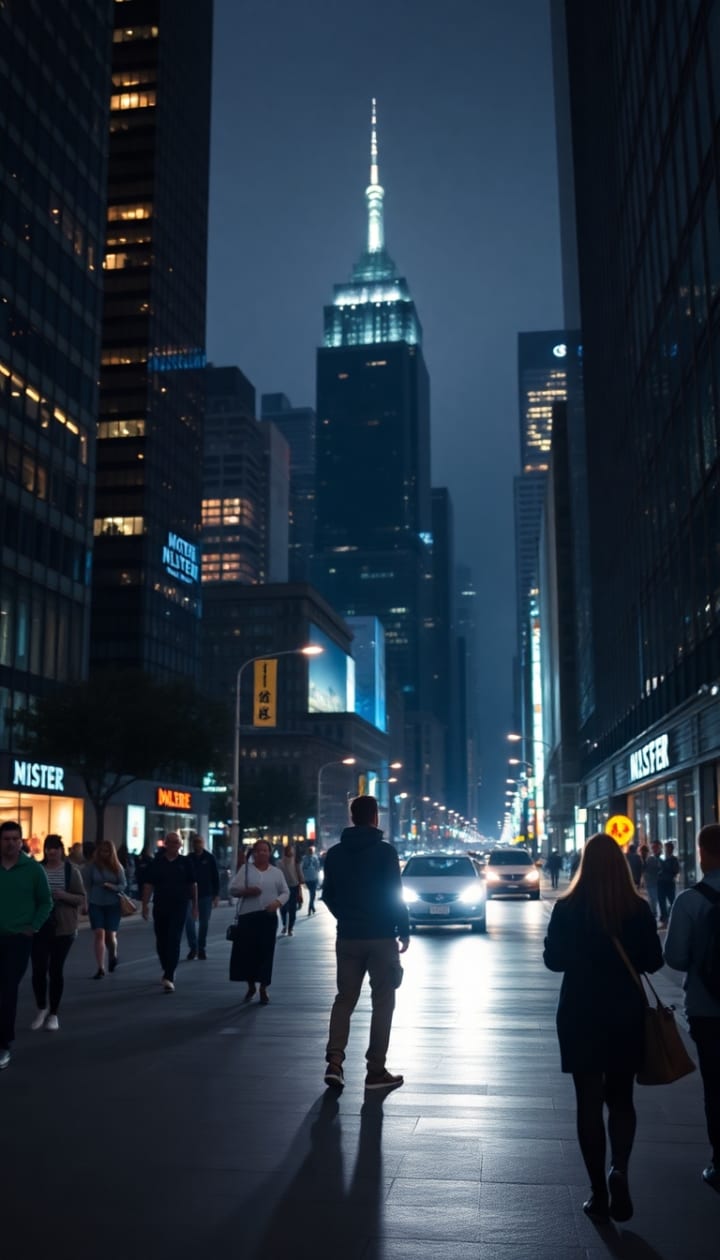
Inspirations From History: Those Who Thrived in Singleness
There’s this idea out there that singleness is some sort of limbo—a waiting room where nothing important happens until you’re finally coupled up. But history is filled with people who not only lived full, rich lives through singleness but also redefined what it means to be single. Whenever I feel restless or impatient about my own romantic status, I try to remind myself of people like Jane Austen or Nikola Tesla—or even saints who actually chose singleness as a path of devotion, like Mother Teresa.
Jane Austen never married, despite proposals and the societal pressure to do so. Can you even imagine how radical that was back in her day? A woman choosing her freedom, her intellect, over a marriage she wasn’t truly invested in? And look what she gave the world: stories about love that are so layered and nuanced they’ve shaped how millions of people think about romance. Every time I re-read Pride and Prejudice or Sense and Sensibility, it feels like Austen saw singleness in shades other people couldn’t. Sure, her characters often find love, but where Austen herself flourished was in showing how rich a woman’s inner world could be whether or not she had a ring on her finger.
And then there’s someone like Nikola Tesla. He dedicated his life to his inventions and scientific work, staying unmarried to avoid distractions (though to be fair, maybe he took it too far—he once said, “I do not think you can name many great inventions that have been made by married men,” which feels harsh). But still, his life reminds me that sometimes, being single can give a person room to dream bigger, to pursue creative ambitions without compromise.
Or Mother Teresa, whose work changed entire communities. She famously said, “The fruit of silence is prayer, the fruit of prayer is faith, the fruit of faith is love, the fruit of love is service.” Her singleness wasn’t about lack—it was about overflowing into service and growing spiritually in ways that might not have been possible within the bonds of partnership.
These figures remind me that singleness isn’t just an absence; it’s a presence—a presence of opportunity, a space to build a life full of meaning on your own terms.
Singleness Across Cultures: When It’s Respected or Stigmatized
What fascinates me is how differently cultures treat singleness across the world. In some places, singleness is framed as a blessing, even a calling. In others, especially historically, it’s been viewed as a failure to fulfill societal expectations. Take ancient Greece, for instance. Marriage wasn’t just personal—it was practically political. If you were unmarried, it meant you weren’t contributing to the survival of the state by producing children, so single people were often seen as selfish or dysfunctional.
Contrast that with ancient India, where ascetics and sages deliberately chose celibacy and singleness. They believed removing themselves from worldly attachments allowed them to connect more deeply with the spiritual realm. In Hinduism, there’s the concept of vanaprastha, one of the life stages in which a person may renounce material and familial ties to seek spiritual liberation. In this framework, singleness wasn’t a failure—it was an opportunity to evolve.
Fast forward to medieval Europe, and there was this interesting split in how singleness was viewed. If you were a single man, especially one who joined the church, it was seen as noble—an act of discipline and devotion. But single women of the same era? Not so much. They were often slandered, labeled as “witches” or “hysterics,” or sent off to convents with little agency over their lives. The double standard was glaring.
In modern times, attitudes toward singleness vary wildly depending on where you look. In Scandinavian countries, for example, single living is pretty normalized—marriage rates are relatively low, and solo lifestyles are more acceptable culturally. Compare that with countries like China or South Korea, where traditional values still strongly push for marriage by a certain age. In South Korea, there’s even a word—honjok—that refers to the growing number of people who embrace a single, self-sufficient lifestyle, but they’re still often met with judgment from older generations.
It fascinates me how singleness shifts meaning based on geography and time. And honestly, it helps me to frame my own singleness as not something universal or absolute, but simply a product of the society I live in. The pressure to pair up isn’t some cosmic law—it’s largely cultural.
Singleness as a Path to Selfhood
Here’s something else I’ve been thinking about lately: being single doesn’t just give you time to figure out what you like in a partner—it gives you time to figure out who you really are. That sounds cheesy, I know, but hear me out.
When you’re dating, or even just looking for love, it’s easy to focus on external things. Do they like me? Am I their type? Do we have chemistry? But singleness forces that mirror to face inward: What kind of life do I want to live, regardless of someone else’s role in it? Am I building a life I’m proud of, one that reflects my values? Or am I just fussing over whether I’m loveable?
Every time I feel stuck in singleness, I try to think of it as an opportunity to build a life so good that it becomes its own magnet. Not to attract a partner—although, if that happens, cool—but simply to make sure the life I’m living feels authentic to me.
Sometimes I think about Viktor Frankl, the Holocaust survivor and psychologist who wrote Man’s Search for Meaning. One of the most powerful lines in that book is: “When we are no longer able to change a situation, we are challenged to change ourselves.” Frankl’s perspective was born out of unimaginable suffering, but it resonates with singleness, too. I may not be able to change my circumstances right now—after all, love doesn’t arrive on a schedule. But I can use this time to grow, to tweak the parts of myself that feel unsteady, or chase dreams I’d neglected when I was too busy imagining what life would look like with someone else by my side.
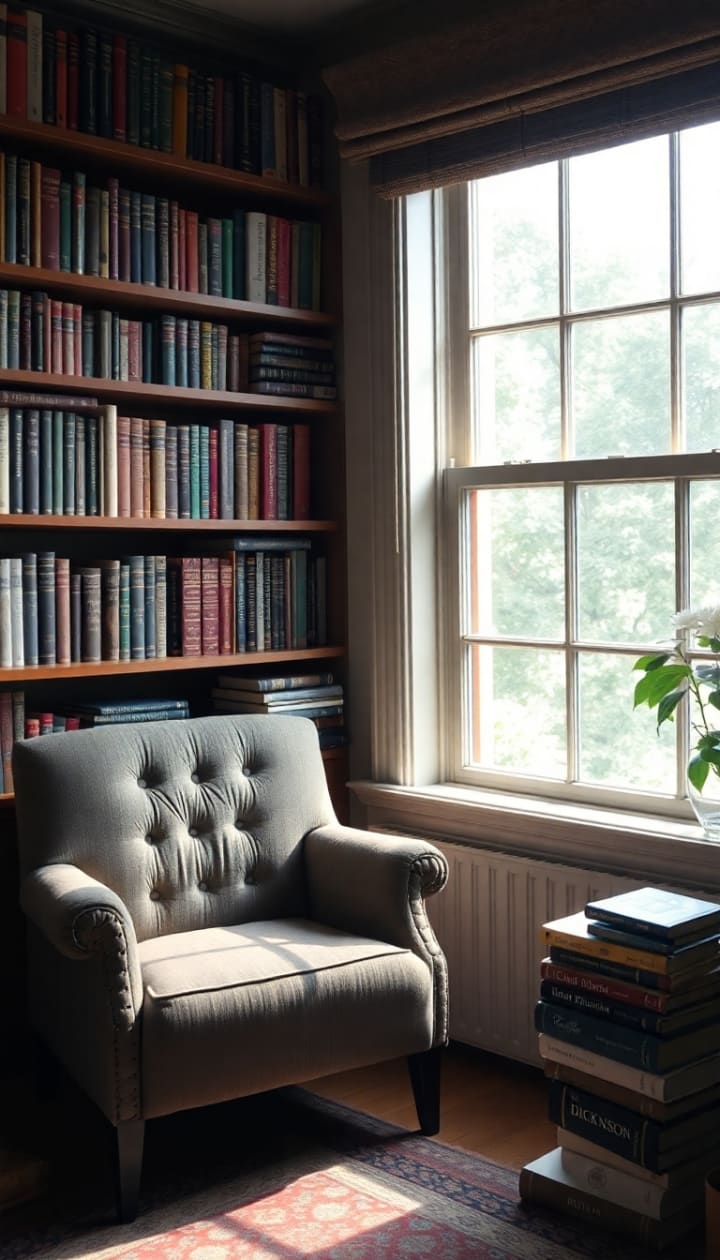
A Legacy of Wholeness
What I’ve realized is this: Life isn’t about waiting for someone to “complete” me. I’m already complete. And I don’t mean that in some glossy Instagram self-love quote kind of way—I mean it in the sense that I’m not a half. I’m a whole. And someday, if I do find love, I want it to be two wholes coming together, not two broken pieces trying (and failing) to patch each other up.
I think of the poet Mary Oliver and her brilliant question: “What will you do with your one wild and precious life?” Sometimes, when I feel stuck thinking about what I don’t have, I come back to that. This life is mine—not anyone else’s. Not a partner’s, not society’s. Mine.
And until love arrives, I’ll try to keep building it as wildly and beautifully as possible.
Modern Dating: Blessing or Curse?
Let’s talk about the labyrinth that is modern dating, shall we? I mean, technology has completely changed the game. Back in the day, meeting someone was often tied to your immediate community—your school, church, workplace, or neighborhood. Now? The world is literally at your fingertips... and yet it’s never felt harder to connect.
Dating apps sound amazing in theory. Swipe right, swipe left, bam, potential soulmate within a 5-mile radius, right? Wrong. For me, dating apps often feel like a weird form of emotional roulette—sometimes you win a fun conversation, other times you’re ghosted before you’ve even said more than “Hi,” and worst case, you’re plunged into a pit of existential despair wondering why someone thought it was appropriate to open with, “What’s your star sign, babe?”
And yet, I can’t totally hate the apps because, let’s be real, how else do you meet people these days? The pool of eligible humans feels... smaller than ever. Fewer people are meeting their partners through friends or at work. Putting yourself out there is exhausting. Some days, it feels like the effort isn’t even worth the reward.
Then, of course, there’s the rise of “dating trends” that make me want to scream into a pillow. Ghosting? I don’t even blink when it happens anymore because it’s so mainstream, and how sad is that? Bread-crumbing, where someone keeps dropping hints of affection but never actually commits? Been there. Or benching—basically being kept “on the roster” as someone’s backup? Every time I hear about a new term, I can almost feel my faith in humanity wilting.
Here’s the thing: modern dating’s openness is both its biggest advantage and its biggest flaw. You get access to more people, more profiles, more options than anyone ever had before. But at the same time, it’s hard to know whether people are on there looking for love or just killing time because they’re bored in line at Starbucks. And that kind of emotional ambiguity is draining.
I’ll admit, I’ve tried to quit the apps altogether more than once. But every few months, I find myself back on them, optimistically swiping away. I read somewhere that dating apps are like slot machines—our brains get hooked on the thrill of possibility, even if the odds of finding something meaningful are low. It’s like gambling with your heart, hoping for the emotional jackpot.
But here’s where I’ve landed: apps are just tools. They’re not inherently evil. They’re also not magic bullets. Whether love comes via Bumble, through a mutual friend, or at Whole Foods while I’m wrestling a watermelon into my cart (a girl can dream), I’m starting to realize it’s not how it happens that matters. It's why: because two people decide they’re willing to show up for each other in the chaos of life.
Navigating Modern Love Without Losing Yourself
The trick to surviving this era of dating—and singleness—is not letting it define your sense of worth. Believe me, I’ve fallen for that lie more than once: the idea that I’m worthy only when I’m validated by the attention of someone else. But here’s the truth I’m forcing myself to remember, day after day: No amount of swipes, likes, or dates can give me something I don’t first give myself.
So much about singleness isn’t about finding the right person—it’s about creating the right space within yourself. Here are a few things that have genuinely helped me navigate this modern madness without completely losing my sanity:
Limit the apps.
Seriously, they’re useful, but not when they become the center of your life. For every week you spend on a dating app, spend at least two weeks off of it. Use that time to actually invest in yourself—your hobbies, your friendships, your passions.
Say no to “almosts.”
This one was hard for me to learn. There’s so much pressure to settle for someone who’s almost what you want: almost kind, almost invested, almost compatible. But staying single is always better than trying to make an “almost” work. You deserve a hell yes connection—don’t waste your time with anything less.
Focus on friendships.
There’s this incredible freedom in pouring love into platonic relationships instead of obsessing over romantic ones. Healthy, thriving friendships remind me that I do have people in my life who care. I’m not waiting for love—I already have it in different forms.
Set boundaries with loneliness.
Let’s be real: loneliness sneaks in, even when you’re busy or surrounded by people. But instead of spiraling, I’ve started seeing it as a signal. When I feel lonely, I ask myself: What do I actually need right now? Connection? Rest? Something creative? Sitting with that question and treating myself with kindness has made all the difference.
Visualize the relationship you want—but don’t cling to it.
Hope is a powerful thing. I’ve learned that imagining my perfect relationship isn’t about obsessing over when (or if) it’ll happen—it’s about reminding myself that I deserve it when it does. My worth isn’t tied to my relationship status, but it doesn’t hurt to stay open to possibilities.
Single, But Not Singular
If there’s anything I’ve learned on my singleness journey, it’s this: being single doesn’t mean you’re not contributing to the bigger picture. Love, connection, and growth aren’t only reserved for people in relationships. We live in an interconnected world, and there are a million ways to share love without being in a romantic partnership.
Sometimes, I think about my place in the bigger story humanity is telling. In medieval times, nuns and monks chose singleness as an act of service—to channel their energy into their communities, their art, and their faith. Today, I like to think we’re still doing that, in our own way. Singleness can be just as generative as partnership if we allow it to be. Whether it’s through career ambitions, volunteering, creativity, or friendships, there is always something worth pouring yourself into.
As Maya Angelou said, “I’ve learned that people will forget what you said, people will forget what you did, but people will never forget how you made them feel.” That reminds me that being single doesn’t limit my ability to love—it just changes how I share it.
Looking Ahead: The Beauty of the Unknown
One of the hardest lessons I’m still learning is how to be okay with uncertainty. There’s no road map for love; it’s not like booking a flight or setting a five-year plan. But maybe therein lies the magic—true love is unpredictable, wild, and utterly unplannable.
I like to think of singleness like standing at the edge of a vast forest. It’s a little unnerving, right? You don’t know what’s waiting for you there. But you also know there could be something breathtaking just beyond the trees—a sunrise, a clearing, a tiny, meaningful moment that changes the way you see everything.
So for now, I face my singleness with a strange mix of patience and anticipation. I’m building my life in the way only I can. And whenever love finds me, it won’t complete me—it’ll simply add another layer to everything I’ve already built.
And that? That feels worth waiting for.
Relationship Status as Identity: Who Are We Without “The Other”?
One of the trickiest things about being single is how much of our culture ties identity to relationships. It’s like your value is only affirmed when you’re seen as “chosen” by someone else. Coupledom is framed as the natural progression of adulthood, the proof that you’re loveable or worthy—or even that you’ve “succeeded” in some unspoken societal game.
Have you noticed how language reflects this? People ask, “Are you seeing anyone?” or “When are you settling down?”—as if “settling down” is the final chapter of the story and not, you know, the middle of a much bigger narrative. Whenever I answer “No, I’m single,” there’s often this look of sympathy, or worse, disappointment. Sometimes it feels like the world has decided that singleness automatically equals incompleteness.
But why? Why do we let one relationship—or lack of it—carry so much weight in determining who we are?
The philosopher Jean-Paul Sartre believed that relationships define us because lovers act as mirrors. He wrote in Being and Nothingness, “The look of the other fixes me where I am.” Basically, when we’re in a relationship, it’s like someone else holds up a mirror to our identity; we see ourselves through how they see us. And don’t get me wrong—that’s beautiful! But it’s also dangerous. It can mean that when you’re single, you might feel like... no one’s looking at you. No one’s there “defining” you.
You know what I’ve come to realize, though? That space—the one where no one else is holding up a mirror—is where you get the chance to become much more than how someone else sees you. It’s where you decide who you are, past all the noise of expectations and labels. Singleness gives you a certain freedom, not just to ask the big questions (Who am I? What do I want?) but to really experiment with the answers. For once, your life isn’t calibrated to someone else’s, and maybe that’s not a burden—it’s a gift.
Jiddu Krishnamurti, one of the most compelling spiritual thinkers of the 20th century, once said, “You are the world.” What he meant was stunningly simple: your identity isn’t found in how the world reflects on you—it’s already within you. Who we are doesn’t start with someone else choosing us; it starts with what we choose to nurture in ourselves.
The Concept of “Enoughness"
You’ve probably heard the phrase “you are enough.” It’s one of those self-help mantras that’s supposed to instantly make you feel better about your circumstances. And yet, when you’re navigating singleness, those three words can feel more like a band-aid slapped over a persistent wound. Inevitably, there’s this voice in the back of your mind whispering, If I’m really enough, why am I still waiting? Why hasn’t love found me yet?
The philosopher Alan Watts talked a lot about this idea of “enoughness,” but he framed it differently than the catchy Instagram quotes ever could. For Watts, the trouble with humans is our constant need to become something—as if we’re on this endless treadmill of self-improvement, always reaching for the next milestone, the next relationship, the next proof of our worth. He called this the “always wanting more” trap of the human condition.
Watts argues that true peace comes only when we stop trying to earn it—when we realize that we’re not missing anything, even in the moments when it feels like we are. That hit me hard. What if all this longing for “more”—for a partner, for romance, for external validation—isn’t really the problem? What if the real root is my unwillingness to sit still and embrace the enoughness of what already is?
I’ll admit, fully believing that isn’t easy. Our modern culture thrives on the idea that more is better. But meditating on that concept has helped me see my life in a new way. Yes, I long for love, deep connection, and partnership—that’s human! But in the meantime, I can say to myself with honesty: This version of my life, as it is today, is already enough.
Singleness Through Religious and Spiritual Lenses
Religion and spirituality have so much to say about singleness, and sometimes it’s comforting, sometimes challenging—but either way, it offers wisdom if we’re willing to dig deep.
In Christianity, there’s this dual perspective on singleness. On the one hand, marriage is considered sacred—it’s a reflection of divine love and unity. But on the other hand, singleness is often viewed as a path of spiritual devotion. The Apostle Paul, for example, wrote in 1 Corinthians 7:8, “To the unmarried and the widows I say that it is good for them to remain single as I am.” He wasn’t shaming marriage, but he was recognizing the freedom singleness offers to focus entirely on God and service.
Buddhism, on the other hand, often views singleness not as a virtue but as a state of detachment. Letting go of yearning—for love or for anything—is seen as a way to cultivate inner peace. The Buddha taught that craving is the root of suffering, so the practice becomes not about whether you’re single or in a relationship, but about how you’re letting attachment define your happiness. This doesn’t mean you can’t desire love, but it’s about not letting that desire rule your sense of self-worth.
Even in Islam, where marriage is strongly encouraged as part of the faith, the concept of tawakkul (trust in God’s plan) is key. Singleness, like marriage, is seen as a phase of life handed to you by God with purpose and intention. There’s this beautiful notion in Islam that everything unfolds exactly when it’s meant to, and you’re encouraged to find meaning and service in whatever stage you’re in.
What fascinates me is how all these perspectives converge on one core truth: wherever you are, you’re not “less” because you’re single. If marriage or partnership is meant for you, it will serve its purpose. If not, there’s extraordinary beauty and richness to be found in the single path, too.
The Unexpected Joys of Singleness
So let’s talk about the good stuff. Because for all this reflection, sometimes singleness just feels... well, sweet, doesn’t it?
There’s a quiet independence it brings that I genuinely treasure. Nobody’s schedule dictates mine, nobody’s preferences shape my day-to-day decisions. If I feel like eating cereal for dinner while binge-watching a documentary about octopuses, I don’t need to explain myself to anybody (and yes, that happens more than I’d like to admit).
Plus, let’s not forget the incredible freedom to dream without compromise. I don’t have to align my ambitions or life goals with someone else’s right now. Singleness has given me space to think big—not about a future wedding or shared mortgage, but about my larger purpose. Who do I want to help? What kind of legacy am I building? Those are questions I might have ignored if I were caught up in the busyness of a relationship.
And then there’s travel. Have you ever just packed a bag on a whim and gone somewhere, without needing to check with anyone first? Singleness lets you move through the world untethered, chasing your curiosity wherever it leads. It’s this distinct kind of adventure, one that helps you grow in ways you can’t when you’re navigating choices as part of a couple.
Most of all, singleness brings undeniable creativity—not just the creativity to write, paint, or chase hobbies, but the creativity to write your own story. When you strip away the noise of societal expectations, you’re in uncharted territory. It’s daunting, sure, but it’s also exhilarating.
Closing Thoughts: A Life You Love, On Your Terms
Singleness isn’t a placeholder—it’s a life all its own. I say that as someone who is still learning what that means day by day. There are tough moments, warm moments, and moments when I catch a glimpse of something wholly unexpected: freedom.
Someday, love might arrive, deeply and beautifully. But today? My life matters just as it is. Singleness isn’t the prologue to something better—it’s the story I’m writing right now.
About the Creator
Ron C
Creating awesomeness with a pen. Follow me at https://twitter.com/isumch
Problem-Solving Methods To Cultivate Trust And Emotional Safety
Any healthy relationship should be based on trust and emotional safety. Trust enables partners to be ready to trust each other in the reliability, honesty and intentions, whereas emotional safety helps people to express the feelings and their weaknesses without being afraid of the judgments and reject. The absence of these factors may result in conflict, distance, and insecurity by the couples. The first step towards having a closer, stronger partnership is realizing the value of trust and safety. Couples that value these attributes will be able to cope more easily and have a more emotional bond.
By Willian James7 days ago in Humans


Comments (1)
This was very thorough! Great job 👏