
"Hydroponic Wonders: Growing Cucumbers in Water"
The fact that Cucumbers don’t just grow in the ground – they can be grown in water, too!
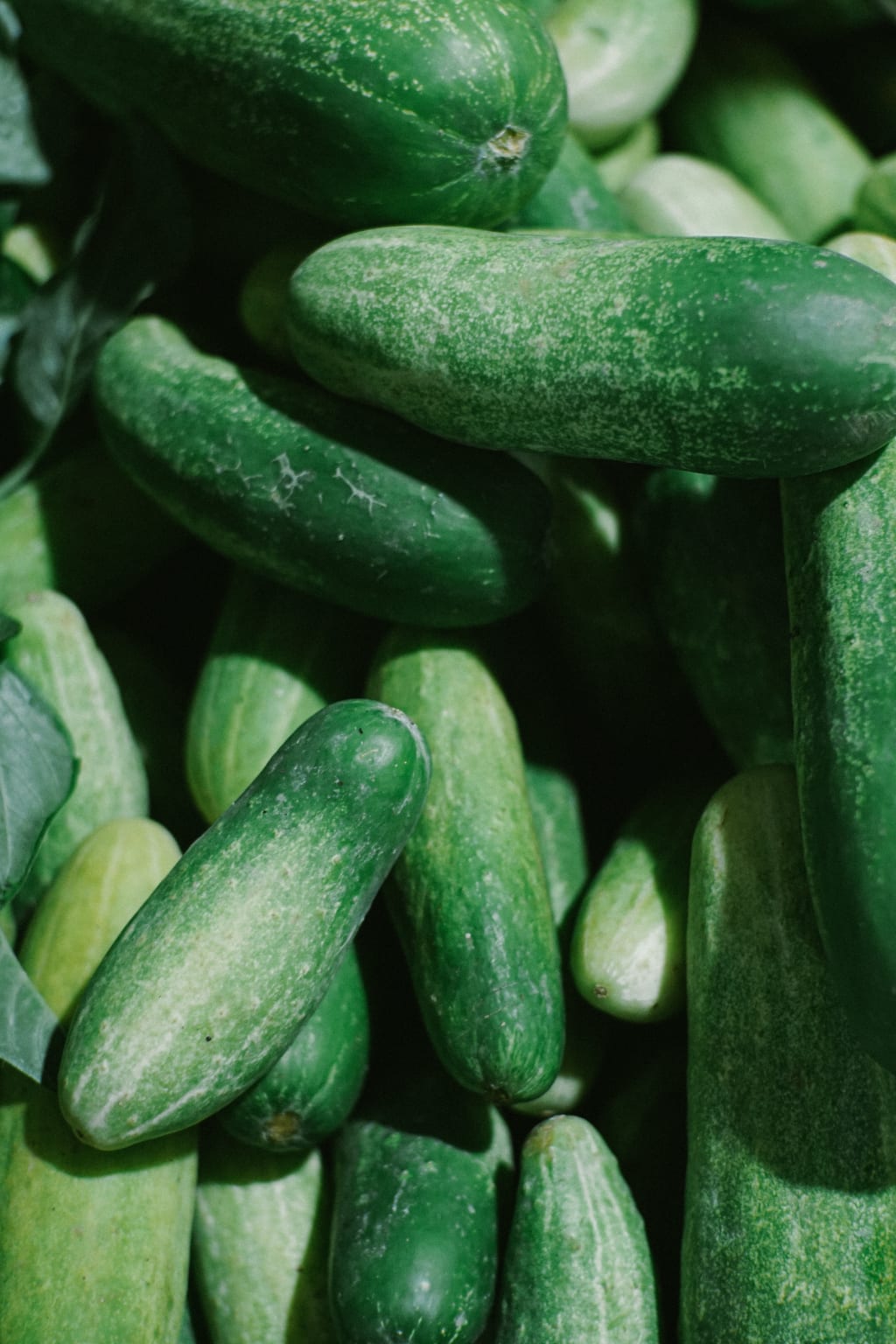
"As good as a cucumber".
When we envision cucumbers, sprawling vines in rich soil often come to mind. However, the wonders of modern cultivation have revealed an alternative and surprisingly efficient method – growing cucumbers in water. Hydroponics, the practice of cultivating plants without soil, offers a unique approach to agriculture. In this exploration, we delve into the fascinating world of hydroponic cucumber cultivation, uncovering the benefits, methods, and considerations of growing cucumbers in water.
Hydroponics: A Revolutionary Approach to Agriculture:
Hydroponics represents a revolutionary shift from traditional soil-based cultivation methods. Instead of relying on soil as a medium for nutrient delivery, hydroponic systems immerse plant roots directly in nutrient-rich water solutions. This innovative approach offers several advantages, including enhanced nutrient absorption, faster growth rates, and the ability to control environmental variables with precision.
Essential Guidelines for Hydroponic Cucumber:
Cultivation: Different Cucumber Varieties: Not all cucumber varieties are suitable for hydroponic cultivation. Compact and bush varieties are often preferred due to their ability to adapt well to the controlled environment of hydroponic systems.
Hydroponic Systems: Various hydroponic systems can be utilized for cucumber cultivation. The popular choices include the nutrient film technique (NFT), deep water culture (DWC), and nutrient solution drip systems. Each system offers a unique approach to nutrient delivery and water management.
Nutrient Solution: The nutrient solution plays a crucial role in hydroponic cucumber cultivation. It consists of a well-balanced mixture of essential nutrients such as nitrogen, phosphorus, potassium, calcium, and magnesium. The pH levels are closely monitored to ensure optimal absorption of nutrients.
Growing Mediums: Although hydroponics involves growing plants without soil, certain inert growing mediums can be used to provide stability to the plants in some systems. Common choices include rock wool, perlite, and coconut coir. These mediums offer stability while allowing efficient uptake of water and nutrients.
Advantages of Growing Cucumbers in Water:
Accelerated Growth: Hydroponic systems deliver nutrients directly to the plant roots, resulting in faster growth rates compared to traditional soil-based cultivation. Cucumbers thrive in these optimized conditions, producing healthier and more abundant yields.
Water Efficiency: Hydroponic systems are inherently more water-efficient than conventional soil-based methods. The closed-loop nature of many hydroponic systems allows for water recycling, minimizing wastage, and promoting sustainability.
Space Optimization: Hydroponic cucumber cultivation allows for vertical farming and space optimization. Vertical structures can support the growth of cucumber vines, maximizing the use of available space and enabling year-round cultivation.
Disease Prevention: Soil-borne diseases, a common concern in traditional agriculture, are significantly reduced in hydroponic systems. The absence of soil eliminates the risk of pathogens that could harm cucumber plants, leading to healthier crops.
Considerations and Challenges:
Temperature Control: Cucumbers are sensitive to temperature fluctuations. Hydroponic systems require careful monitoring to ensure optimal temperature levels for plant growth. Cool temperatures can slow growth, while excessively high temperatures can lead to stress and reduced yields.
Nutrient Balance: Achieving the correct nutrient balance in the hydroponic solution is crucial. Regular monitoring and adjustments are necessary to prevent nutrient deficiencies or toxicities that could impact cucumber health.
Lighting Requirements: Adequate light is essential for photosynthesis and overall plant health. Supplemental lighting may be necessary, especially in indoor hydroponic setups, to ensure cucumbers receive the light required for optimal growth.
Pollination: While some cucumber varieties are parthenocarpic (able to set fruit without pollination), others require pollination for fruit development. In hydroponic systems, manual pollination or the introduction of pollinators may be necessary to ensure successful fruiting.
In summary:
The cultivation of cucumbers in water using hydroponics is a revolutionary method in agriculture. Although it was once seen as unconventional, it has now become widely embraced due to its effectiveness, sustainability, and ability to overcome traditional farming obstacles. As we observe the ongoing advancements in agricultural techniques, the hydroponic cultivation of cucumbers serves as a testament to human creativity and the continuous pursuit of innovative solutions to address the needs of a growing global population. The combination of water and cucumber vines in hydroponic systems not only results in delicious and plentiful harvests but also represents a significant milestone in the future of sustainable farming.
About the Creator
Keep reading
More stories from fatima zahra ajankar and writers in Humans and other communities.
"Avocados: The Delicious Misnomer the Botanical Truth".
“Life without love is like an avocado tree without fruit.” Avocados, renowned for their smooth consistency and unique taste, have gained immense popularity as a cherished gastronomic pleasure across the globe. Despite being commonly associated with vegetables due to their savory uses, avocados challenge this categorization from a botanical standpoint. In this investigation, we embark on a captivating journey into the realm of avocados, uncovering the true botanical nature of these fruits and dispelling the culinary misconceptions that endure.
By fatima zahra ajankar2 years ago in Humans
Whiskey At Dusk
Guess the whiskey was more important to you in the end, wasn’t it? It was more than the well-being of your friends; more vital than showing up to the places you promised you would and could come to; more critical of a matter than fulfilling your damn responsibilities and getting the press off your back.
By Snarky Lisaa day ago in Humans


Comments (1)
Hello Fatima, AI is permitted on Vocal but it is a Vocal policy that content created with AI is mentioned at the start of the story/article. Your article/story has many telltales of AI-generated content. If you don’t correct this the content may be removed by Vocal and/or you may be banned from the Vocal.