
Humans vs. Technology: Can Machines Replace Us?
The rapid advancement of technology has revolutionized human life in countless ways.
Introduction
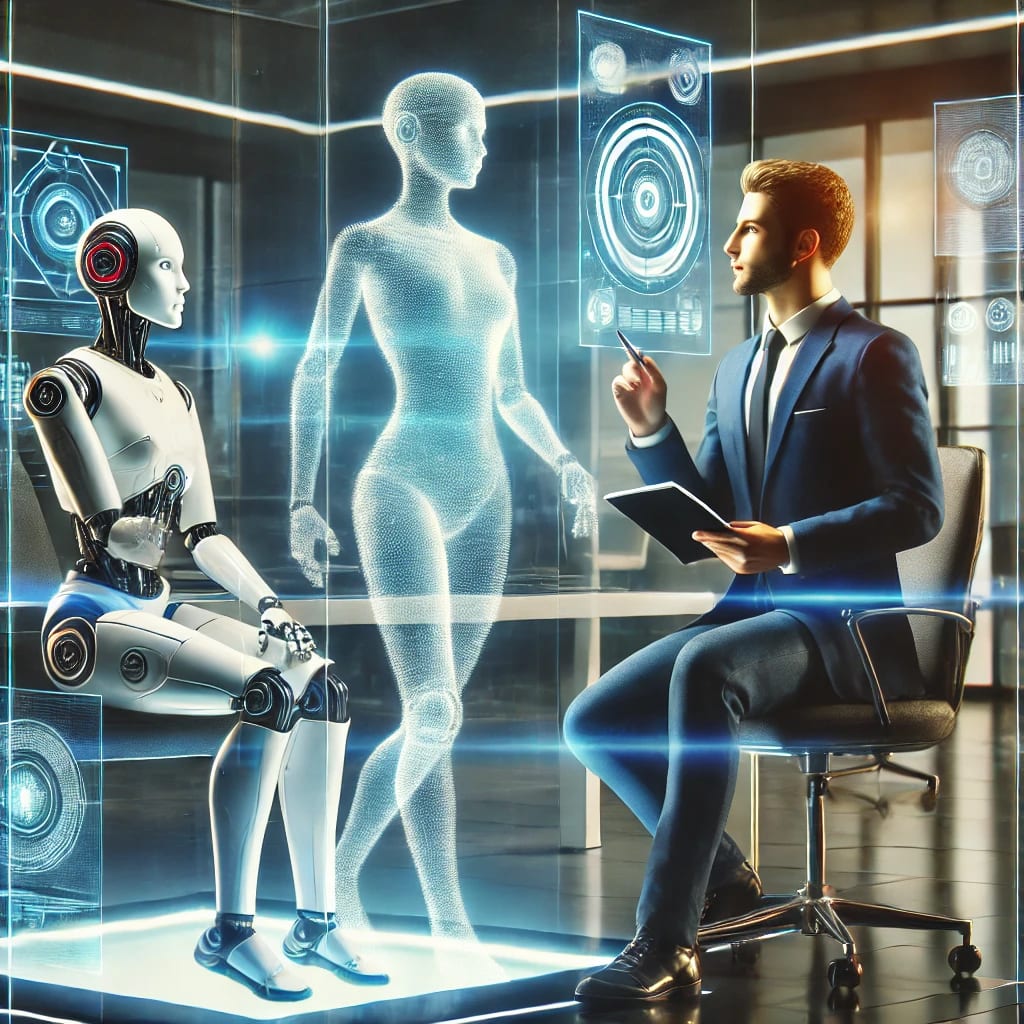
The rapid advancement of technology has revolutionized human life in countless ways. From Artificial Intelligence (AI) to robotics, machines are now capable of performing tasks that were once exclusive to human expertise. While this progress is exciting, it raises an important question: can machines truly replace humans? This article delves into the unique qualities of humans, the capabilities of machines, and the potential future of this evolving relationship.
The Rise of Technology
Technology has become an integral part of our daily lives. Machines now handle tasks ranging from complex data analysis to basic chores like cleaning. AI-powered tools, such as ChatGPT and self-driving cars, demonstrate how machines can think, learn, and even solve problems. In industries like manufacturing, healthcare, and customer service, automation has significantly increased efficiency and reduced costs.
However, this technological growth comes with a cost. Many fear that machines are not just tools but competitors in the job market. According to a report by the World Economic Forum, automation could replace nearly 85 million jobs by 2025. This trend poses a challenge to human workers, particularly in roles that involve repetitive tasks.
What Makes Us Human?
Despite the impressive capabilities of machines, humans possess qualities that technology cannot replicate.
Emotions and Empathy
Humans can experience and express emotions, allowing them to form meaningful connections. Empathy enables us to understand others’ feelings and provide comfort—qualities essential in professions like caregiving, counseling, and teaching.
Creativity and Imagination
Machines can analyze data and generate outputs based on patterns, but they lack the ability to imagine and create something truly original. Whether it’s composing a symphony, writing a novel, or inventing a new technology, human creativity is unparalleled.
Ethics and Morality
Decision-making in humans often involves moral reasoning and ethical considerations. Machines, on the other hand, rely on algorithms and data, which do not inherently include values or judgment. For example, in life-or-death situations, a self-driving car’s decision-making process lacks the nuanced understanding that humans bring.
Adaptability
Humans are inherently flexible and capable of learning from experience. We can adapt to new challenges, environments, and circumstances, whereas machines require reprogramming or updates to handle changes.
The Symbiosis of Humans and Machines
Instead of viewing machines as competitors, it is more productive to see them as collaborators. Machines excel at performing tasks that are repetitive, dangerous, or require extreme precision. This allows humans to focus on areas where emotional intelligence, creativity, and complex problem-solving are essential.
For instance, in the medical field, AI can analyze diagnostic data and suggest treatments, but doctors and nurses provide the human touch that ensures patients feel cared for. Similarly, in creative industries, AI tools can assist with design and editing, but the final vision remains a human endeavor.
The Future of the Human-Machine Relationship
The key to a harmonious relationship between humans and machines lies in balance. Education systems must evolve to prepare individuals for jobs that require uniquely human skills. Emphasizing creativity, critical thinking, and emotional intelligence will ensure that humans remain indispensable in the workforce.
Moreover, ethical guidelines must govern the development and use of technology. Machines should complement human efforts rather than replace them entirely. Policymakers and technologists must work together to address issues like job displacement, data privacy, and AI accountability.
Conclusion
While machines are transforming the world at an unprecedented pace, they cannot replicate the essence of being human. Emotions, creativity, ethics, and adaptability are traits that make us irreplaceable. Instead of fearing technological advancements, we should embrace them as tools that enhance our abilities and improve our lives. The future of humanity lies not in competition with machines but in collaboration, where both entities work together to achieve greater heights.
Ultimately, the question is not whether machines will replace us, but how we can coexist and thrive in a world shaped by technology.



Comments
There are no comments for this story
Be the first to respond and start the conversation.