
Human Metapneumovirus (HMPV): A Rising Concern Among Children in China
"What Parents Need to Know About the Rising Cases of Human Metapneumovirus (HMPV)"
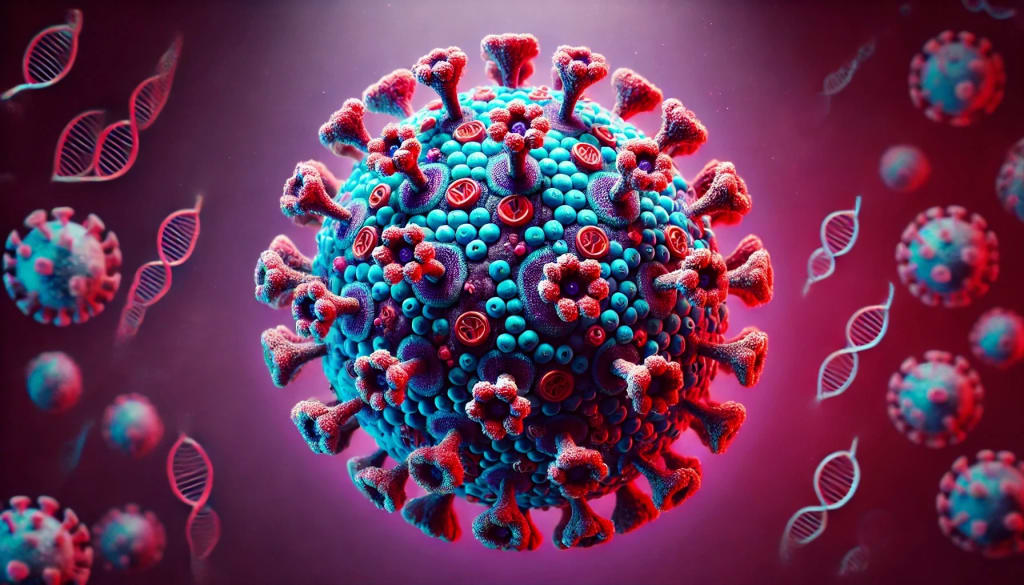
In recent weeks, a rise in cases of human metapneumovirus (HMPV) among children has been reported in China, raising concerns among health officials and parents alike. While the exact scale of the surge remains unclear, reports indicate that HMPV has become one of the four most common viral infections seen in hospitals across the country, particularly affecting children aged 14 and under.
Although HMPV is not a new virus, its recent increase in cases has drawn attention from health experts worldwide. So, what exactly is HMPV, and why is it a concern now?
What Is HMPV?
Human metapneumovirus (HMPV) is a virus that belongs to the same family as respiratory syncytial virus (RSV), a common seasonal virus that causes respiratory infections. Discovered in 2001, HMPV has been recognized as a significant health concern, particularly for young children, older adults, and those with weakened immune systems.
Like RSV, HMPV can cause illnesses ranging from mild colds to severe lung infections. The most common symptoms include:
- Cough
- Fever
- Blocked or runny nose
- Shortness of breath
In severe cases, these symptoms can progress to bronchitis (inflammation of the airways) or pneumonia (where fluid fills the lungs' air sacs), which may require hospitalization.
Why the Recent Surge?
Experts are still investigating the reasons behind the recent increase in HMPV infections in China. Andrew Easton, a virology professor from the University of Warwick in the UK, points out that HMPV has been a recognized health risk since its discovery more than 20 years ago. However, the sudden spike in cases is concerning, as it may signal changes in the virus’s behavior, environmental factors, or gaps in immunity among the population.
Easton emphasizes the importance of tracking these surges to understand their causes. While the virus itself hasn’t fundamentally changed in its risk profile, shifts in infection patterns need thorough investigation to prevent further spread.
How Common Is HMPV?

Although HMPV might not be as well-known as other viruses like the flu, it is not uncommon. According to the U.S. Centers for Disease Control and Prevention (CDC), the virus is linked to around 20,000 hospitalizations among children under five years old in the U.S. every year. The virus is highly contagious and spreads through:
- Close contact with infected individuals
- Touching surfaces contaminated with the virus
- Droplets from coughs and sneezes
Young children, especially those under two years old, are particularly vulnerable, as are older adults and people with pre-existing health conditions.
How Is HMPV Treated?
Currently, there is no specific antiviral treatment or vaccine for HMPV. Like many other respiratory infections, treatment focuses on managing symptoms and providing supportive care. This includes:
- Rest
- Staying hydrated
- Over-the-counter medications to reduce fever and relieve symptoms
In severe cases, such as when pneumonia develops, hospitalization may be necessary to provide oxygen therapy or other medical interventions.
What Can Parents Do?
While HMPV infections can sometimes become severe, most cases remain mild and manageable at home. Parents can take the following steps to protect their children:
Practice Good Hygiene: Encourage regular handwashing with soap and water to reduce the risk of infection.
Avoid Close Contact: Keep sick children away from others to prevent the virus from spreading.
Disinfect Surfaces: Clean frequently-touched surfaces, such as toys and doorknobs, regularly.
Monitor Symptoms: If your child develops a fever, difficulty breathing, or worsening symptoms, seek medical attention promptly.
Why Awareness Matters
HMPV is not new, but the recent uptick in infections highlights the importance of staying informed about potential health risks. Understanding how the virus spreads, recognizing its symptoms, and taking preventive measures can help reduce its impact.
As scientists and health officials continue to monitor the situation in China, they will work to determine whether this surge is temporary or part of a larger trend. In the meantime, parents and caregivers can play a key role in protecting their families by practicing good hygiene and staying alert to any changes in their children’s health.
By staying vigilant and informed, we can better prepare for and respond to health challenges like HMPV, ensuring the well-being of our communities.
About the Creator
How I Became Black: An African Immigrant Experience with Racial Identity
When I first migrated to America, I never considered myself black since I migrated from a nation where the idea of skin color was never reflective of my identity. In Nigeria, ethnicity, religion, social class, and gender define who you are in society. To be called black has never been part of the conversation since our social construct was not based on race. I can travel to any part of the country without worrying that someone is going to judge me or not afford me the imperative opportunity based on my skin color. When I migrated to America, I realized that my race and my ethnicity as an African immigrant would define the space that society afforded me. As an immigrant, I found myself in a country with unfamiliar rules and racial nuance that was foreign to me. As a black immigrant, nobody will pull you aside to instruct or educate you on racial hierarchy and how it is interwoven in all aspects of American life. Achieving the "American Dream" is the focus of many immigrants, but they often don't understand the hidden rules. African immigrants regularly face many challenges as they adapt to their new home.
By Kemi Seriki (Pansa Pansa Forum)3 days ago in Humans



Comments
There are no comments for this story
Be the first to respond and start the conversation.