
HUMAN GENETIC INHERITANCE
Exploring the Genetic Links Across Generations

The Inheritance of Human Genetic
Genetic inheritance is the process through which parents pass traits to their offspring through genes. This process forms the foundation of human biology, explaining both the diversity and commonalities seen within and among populations. Human genetic inheritance not only determines physical characteristics such as eye color and height but also influences susceptibility to diseases, personality traits, and even behaviors. Understanding this complex process requires an exploration of the structure of DNA, patterns of inheritance, and how genetic traits are expressed in humans.
DNA: The Blueprint of Life
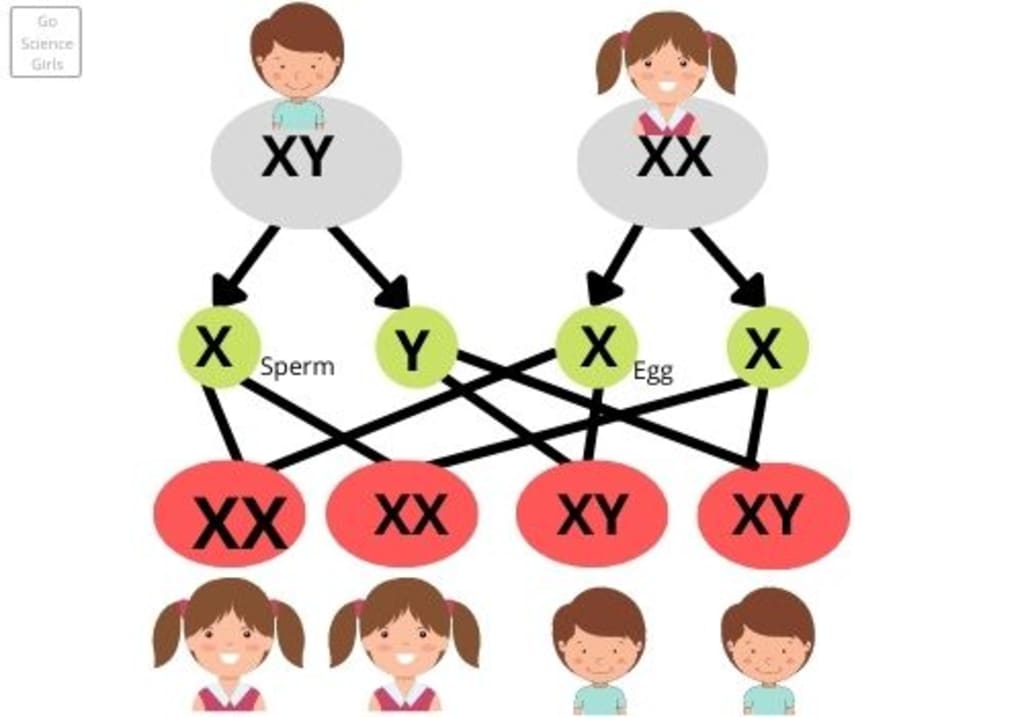
Deoxyribonucleic acid (DNA) is the molecule that carries the genetic information essential for growth, development, and functioning. Each cell in the human body contains DNA, organized into structures called chromosomes. Humans have 23 pairs of chromosomes (46 in total), with one set inherited from each parent. Of these, 22 pairs are autosomes, and one pair consists of sex chromosomes (XX for females and XY for males).
Structure of DNA
DNA consists of two strands coiled into a double helix.
It is composed of nucleotide units, each containing:
A phosphate group
A sugar molecule (deoxyribose)
One of four nitrogenous bases: adenine (A), thymine (T), cytosine (C), and guanine (G).
The sequence of these bases encodes genetic information. Adenine pairs with thymine, and cytosine pairs with guanine, forming the rungs of the DNA "ladder."
Genes
Genes are segments of DNA that code for proteins, which perform specific functions in the body. Humans have approximately 20,000 to 25,000 genes. Variations in genes, known as alleles, are responsible for differences in traits among individuals.
Mechanisms of Genetic Inheritance
Genetic inheritance follows fundamental principles discovered by Gregor Mendel, the father of modern genetics. His laws explain how traits are passed down through generations.
1. Mendelian Inheritance
Traits that follow Mendelian patterns are determined by single genes with dominant and recessive alleles. These traits are inherited according to the following rules:
Dominant Alleles: If an individual inherits one dominant allele, the associated trait is expressed. For example, the allele for brown eyes is dominant over blue eyes.
Recessive Alleles: A recessive trait is expressed only if an individual inherits two recessive alleles (one from each parent).
Patterns of Mendelian Inheritance:
Autosomal Dominant: A single copy of the dominant allele is enough to express the trait (e.g., Huntington's disease).
Autosomal Recessive: Both copies of the recessive allele are required to express the trait (e.g., cystic fibrosis).
X-linked Inheritance: Traits linked to genes on the X chromosome can show different patterns in males and females due to males having only one X chromosome.
2. Non-Mendelian Inheritance
Not all traits follow simple Mendelian rules. Non-Mendelian inheritance includes:
Incomplete Dominance: The phenotype is a blend of both alleles (e.g., a red and white flower producing pink offspring).
Codominance: Both alleles are equally expressed (e.g., AB blood type).
Polygenic Inheritance: Traits influenced by multiple genes, such as height, skin color, and intelligence.
Mitochondrial Inheritance: Traits passed down through mitochondrial DNA, which is inherited exclusively from the mother.
Expression of Traits
Gene expression is the process by which the information encoded in a gene is used to produce a functional product, such as a protein. Various factors influence gene expression:
Regulatory Mechanisms: Proteins like transcription factors activate or suppress gene expression.
Environmental Factors: Lifestyle choices, nutrition, and external stimuli can interact with genes to influence traits. For example, a genetic predisposition to obesity may only manifest under specific dietary conditions.
Inheritance of Physical Traits
Some traits are straightforward, while others are more complex. Examples include:
Eye Color: Controlled by multiple genes, with brown being dominant over blue.
Hair Texture: Influenced by genes determining curliness or straightness.
Height: A polygenic trait influenced by both genetics and environmental factors like nutrition.
Genetic Disorders
Genetic inheritance can also lead to disorders, which may be classified based on their inheritance pattern:
Single-Gene Disorders:
Dominant: Huntington’s disease.
Recessive: Sickle cell anemia.
X-linked: Hemophilia.
Chromosomal Disorders: Caused by structural or numerical abnormalities in chromosomes, such as Down syndrome (an extra copy of chromosome 21).
Multifactorial Disorders: Arising from a combination of genetic and environmental factors, such as heart disease and diabetes.
The Role of Epigenetics
Epigenetics refers to changes in gene expression that do not involve alterations in the DNA sequence. These changes are influenced by environmental factors and can be passed on to future generations. For example, stress or diet during pregnancy can affect gene expression in offspring.
Modern Advances in Genetics
The study of human genetic inheritance has advanced significantly with technologies like:
Genome Sequencing: Mapping an individual's entire DNA sequence.
Genetic Testing: Identifying mutations linked to diseases.
Gene Therapy: Correcting defective genes to treat disorders.
CRISPR-Cas9: A revolutionary tool for editing genes with precision.
Ethical Considerations
With the ability to manipulate genes comes ethical responsibility. Issues include:
1)The potential for “designer babies,” where traits are selected for non-medical reasons.
2)Ensuring equitable access to genetic advancements.
3)Protecting individual privacy regarding genetic information.
Conclusion
Human genetic inheritance is a dynamic and intricate process that shapes the essence of who we are. From the transmission of simple traits to the complexity of genetic disorders and environmental influences, the study of inheritance deepens our understanding of biology and human diversity. Advances in genetics continue to open new frontiers in medicine and science, offering hope for treating genetic disorders and improving human health while challenging us to navigate ethical questions responsibly.
About the Creator
Badhan Sen
Myself Badhan, I am a professional writer.I like to share some stories with my friends.
Keep reading
More stories from Badhan Sen and writers in Humans and other communities.
THE HUMAN BRAIN AND ITS FUNCTION
The Human Brain and Its Functions The human brain is one of the most complex and fascinating organs in the body. As the control center of the nervous system, it governs thoughts, emotions, memory, behavior, and bodily functions. Composed of billions of neurons and glial cells, the brain enables humans to interact with their environment, adapt to challenges, and advance civilizations through creativity and innovation.
By Badhan Senabout a year ago in Humans
Thief In The Night
To the thief in the night that took and replicated what once was mine: Honestly, I feel kind of bad for you. It’s funny, because we hardly know each other. I only know of you through the magazines you’ve written and the broadcasts you have televised in the past — as well as through the public mentions of you from your show business connections there.
By Snarky Lisa6 days ago in Humans


Comments (1)
What a good article on beginning genetics and basic anatomy and physiology.