
How VR is Helping Patients Manage Pain and Anxiety
A New Way to Heal: How Virtual Reality is Changing Healthcare

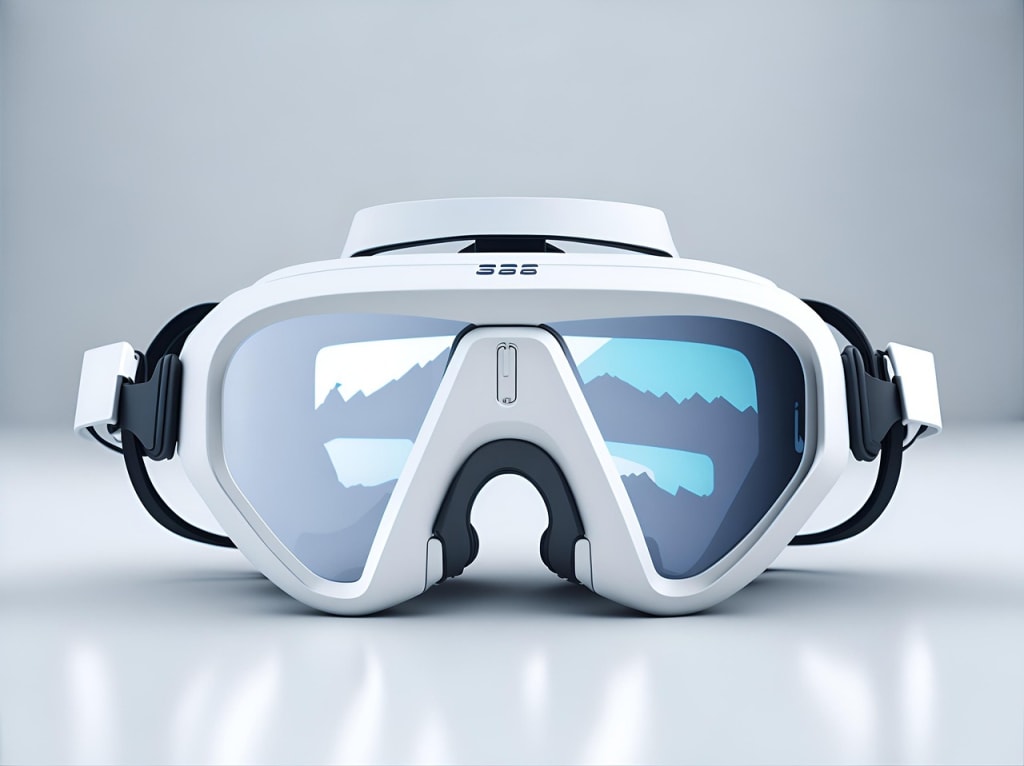
What is VR, and How Does It Work in Healthcare?
Virtual Reality is a technology that creates a 3D, computer-generated environment. When you put on a VR headset, you feel like you’re inside that world. In healthcare, VR is used to distract patients, calm their minds, and even help them practice real-life skills in a safe, virtual space.
For example, a patient undergoing a painful procedure might use VR to “visit” a peaceful beach or a serene forest. This distraction can help reduce their perception of pain and make the experience more bearable.
How VR Helps Manage Pain
Pain is a complex experience that involves both the body and the mind. VR works by engaging the brain in a way that reduces the focus on pain. Here’s how:
Distraction Therapy
When you’re immersed in a VR experience, your brain is so focused on the virtual world that it has less capacity to process pain signals. For example, burn victims often use VR during wound care to distract them from the intense pain.
Relaxation and Stress Reduction
VR can transport patients to calming environments, like a quiet beach or a lush forest. These relaxing scenes help lower stress levels, which can reduce the intensity of pain.
Physical Therapy
VR is also used in physical therapy to help patients recover from injuries or surgeries. By turning exercises into fun, interactive games, VR makes therapy less painful and more enjoyable.
How VR Reduces Anxiety
Anxiety is another area where VR is making a big impact. Whether it’s fear of medical procedures, social anxiety, or chronic stress, VR offers a safe and effective way to manage these feelings.
Exposure Therapy
VR is used to help people face their fears in a controlled environment. For example, someone with a fear of flying can practice being on a virtual plane until they feel more comfortable.
Mindfulness and Meditation
VR apps can guide patients through mindfulness exercises or meditation sessions. These experiences help calm the mind and reduce anxiety.
Pre-Surgery Calm
Many patients feel anxious before surgery. VR can help by providing calming experiences that distract them from their worries and help them feel more relaxed.
Real-Life Examples of VR in Action
Here are a few ways VR is already being used to help patients:
Burn Victims:
At hospitals like the University of Washington, burn patients use VR during painful wound care. The immersive experience helps them focus less on the pain and more on the virtual world.
Cancer Patients:
VR is used to help cancer patients manage pain and anxiety during treatments like chemotherapy. It provides a much-needed escape from the stress of their illness.
Chronic Pain Sufferers:
People with chronic pain conditions, like fibromyalgia, use VR to distract themselves from their symptoms and improve their quality of life.
Mental Health:
VR therapy is being used to treat conditions like PTSD, phobias, and social anxiety. It allows patients to confront their fears in a safe, controlled way.
Why VR Works So Well
VR is effective because it taps into the brain’s natural ability to focus on one thing at a time. When you’re fully immersed in a VR experience, your brain doesn’t have the capacity to focus on pain or anxiety. It’s like giving your mind a mini-vacation from stress and discomfort.
Plus, VR is non-invasive and doesn’t involve medication, making it a safe option for many patients.
The Future of VR in Healthcare
The use of VR in healthcare is still growing, but the possibilities are endless. In the future, we might see VR used for:
Remote Therapy: Patients could receive therapy sessions from the comfort of their homes.
Pain Management for Kids: VR could make medical procedures less scary for children.
Rehabilitation: VR could help patients recover from strokes or injuries by making therapy more engaging.
Final Thoughts
Virtual Reality is more than just a cool gadget—it’s a life-changing tool that’s helping patients manage pain and anxiety in new and innovative ways. By providing distraction, relaxation, and even therapy, VR is transforming the way we think about healthcare.
If you or someone you know is struggling with pain or anxiety, VR might be worth exploring. It’s a reminder that sometimes, the best medicine doesn’t come in a pill—it comes in the form of a virtual escape.
About the Creator
Muzammil Faraz
Hi, I’m muzammil, a passionate writing with a love for storytelling and inspiring others. I believe in the power of perseverance, kindness, and chasing dreams, no matter how big or small.
.
Keep reading
More stories from Muzammil Faraz and writers in Humans and other communities.
How to Protect Your Privacy in the Digital Age
In today’s digital world, our lives are more connected than ever. From social media to online banking, we share a lot of personal information online. But with this convenience comes risk. Hackers, data breaches, and even companies tracking your every move can threaten your privacy. The good news? You don’t have to be a tech expert to protect yourself. Here’s a simple guide to keeping your personal information safe in the digital age.
By Muzammil Farazabout a year ago in Humans
My First Time Skiing and I Got Lost, Alone, in the French Alps
Looking back, I can trace some of my life’s biggest adventures to a simple action from my sister. She’d introduced me to Tommy (a very long time ago), a colleague of hers, who had overshared his penchant for Italian-looking women, and I ticked that box.
By Chantal Christie Weiss2 days ago in Humans
Pandora’s Burden
“My brother warned me to not accept gifts from the one who commissioned you,” said Epimetheus to the woman clad in silvery raiments standing at the entrance to the temple. Her silver tiara and the silver rings on her fingers and toes glinted in the firelight cast by torches set on either side of the doorway. Lingering in the shadows, beyond the reach of the flames as she was, he could not tell what she held in her hands. At first what appeared to be a box was perhaps a funerary urn, or maybe merely an apple.
By J. Otis Haasa day ago in Fiction



Comments
There are no comments for this story
Be the first to respond and start the conversation.