
How to Treat Migraines: Tips and Solutions
Effective Strategies and Proven Solutions for Migraine Relief
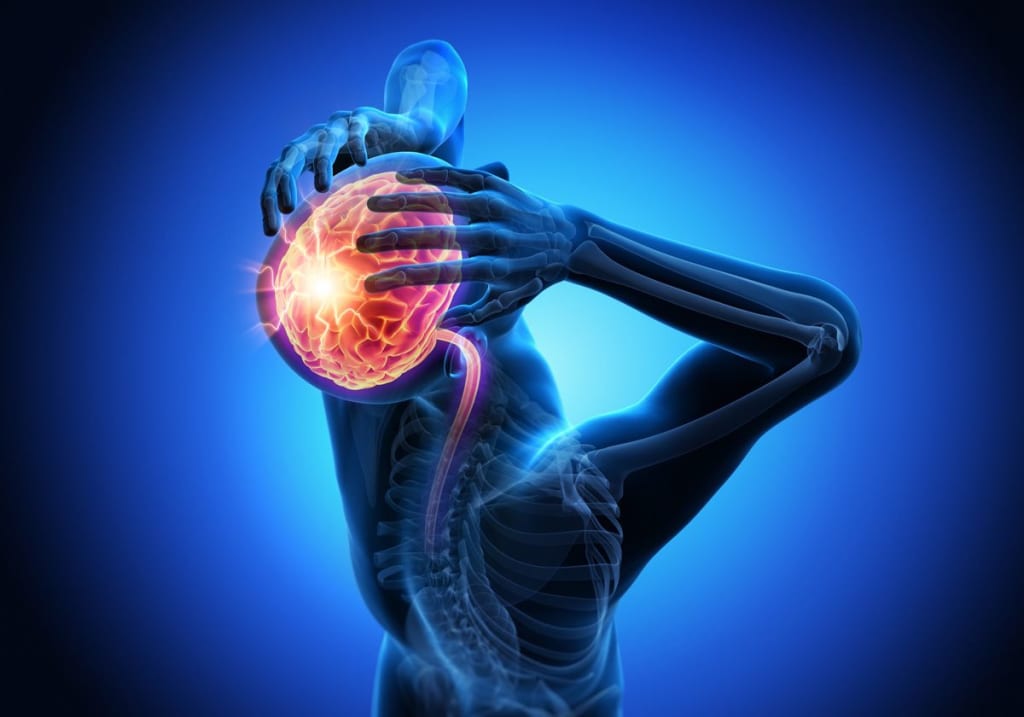
Migraine headaches are one of the most common and debilitating neurological conditions, affecting millions of people worldwide. They cause intense pain, nausea, and sensitivity to light and sound, often disrupting daily activities. Fortunately, there are various effective migraine treatment options available to manage and alleviate symptoms. In this comprehensive guide, we will explore tips and solutions for treating migraines and improving quality of life.
Understanding Migraines
Before diving into migraine treatment options, it’s essential to understand what a migraine is and how it differs from other types of headaches. A migraine is typically a severe, throbbing headache, often localized to one side of the head. It is commonly accompanied by other symptoms such as nausea, vomiting, and heightened sensitivity to light, sound, and smells.
Migraines can last anywhere from a few hours to several days, and the frequency of episodes can vary from person to person. While the exact cause of migraines is still unknown, researchers believe that genetics and environmental factors contribute to their development.
Causes of Migraines
Understanding the root causes of migraines can help guide treatment options. Several factors contribute to the onset of migraines, including:
• Genetic Factors: Migraines often run in families, suggesting a genetic predisposition.
• Environmental Triggers: Bright lights, loud noises, strong smells, and changes in weather can all trigger a migraine.
• Hormonal Changes: Fluctuations in hormone levels, particularly in women, can contribute to migraine occurrences.
• Stress: Physical and emotional stress can be a significant migraine trigger.
• Dietary Factors: Certain foods, such as chocolate, caffeine, and alcohol, may trigger migraines in some individuals.
• Sleep Issues: Irregular sleep patterns or poor-quality sleep can contribute to migraine development.
Tips for Migraine Treatment
Migraines can significantly affect one’s quality of life, but with the right migraine treatment strategy, individuals can reduce the frequency and intensity of episodes. Below are several tips and solutions to help treat migraines effectively.
1. Medications for Immediate Relief
For many people, medications are an essential part of migraine treatment. These medications can be divided into two categories: abortive (acute) and preventive treatments.
Abortive Medications
Abortive medications are designed to stop a migraine once it starts or to reduce the severity of the symptoms. These include:
• Pain Relievers: Over-the-counter medications like ibuprofen, aspirin, and acetaminophen are often the first line of treatment for mild to moderate migraines.
• Triptans: These prescription medications, such as sumatriptan, are specifically designed for migraines. They work by narrowing blood vessels and reducing inflammation in the brain.
• Ergotamines: These are less commonly used but are effective in treating more severe migraine attacks.
Preventive Medications
Preventive medications are used for individuals who experience frequent migraines (more than four times a month). These include:
• Beta-blockers: Medications like propranolol help reduce the frequency of migraines by relaxing blood vessels.
• Antidepressants: Some antidepressants, such as amitriptyline, can help prevent migraines.
• Anti-seizure Medications: Medications like topiramate may be prescribed to reduce migraine frequency.
2. Natural Remedies and Lifestyle Changes
While medications are effective for many, some individuals prefer to explore natural remedies and lifestyle changes to help treat their migraines. Here are some options:
A. Stay Hydrated
Dehydration is a common migraine trigger. Ensure you drink enough water throughout the day to maintain proper hydration. Keeping a water bottle nearby can help remind you to drink regularly.
B. Practice Stress Management
Chronic stress can lead to frequent migraines. Incorporating stress management techniques such as yoga, meditation, deep breathing exercises, or progressive muscle relaxation can significantly reduce stress levels and prevent migraines from occurring.
C. Maintain a Regular Sleep Schedule
A consistent sleep schedule is crucial for preventing migraines. Aim for 7-9 hours of sleep per night and try to go to bed and wake up at the same time every day. Avoid late-night screen time and excessive caffeine, as they can disrupt sleep patterns.
D. Trigger Management
Keeping a migraine diary can help identify specific triggers, such as certain foods, weather changes, or hormonal fluctuations. Once you know your triggers, try to avoid them as much as possible.
E. Acupressure and Acupuncture
Some individuals find relief from migraines by using acupuncture or acupressure. These alternative treatments involve applying pressure to specific points on the body, which can help alleviate migraine symptoms.
3. Cognitive Behavioral Therapy (CBT)
Cognitive Behavioral Therapy (CBT) is a type of therapy that focuses on changing negative thought patterns and behaviors. It has been found to be effective in reducing the frequency and severity of migraines, particularly for those whose migraines are linked to stress or anxiety. A trained therapist can help teach you coping strategies and relaxation techniques to manage your migraines better.
4. Physical Therapy
For some individuals, physical therapy can help treat migraines, especially when they are related to neck tension or poor posture. A physical therapist can teach exercises to strengthen the neck and shoulder muscles, which may reduce the frequency and intensity of migraines.
5. Biofeedback Therapy
Biofeedback is a technique that trains individuals to control bodily functions, such as heart rate, muscle tension, and blood pressure. By learning to control these functions, individuals can reduce the frequency and severity of migraines. Biofeedback therapy can be especially helpful when combined with relaxation techniques.
Migraine Treatment for Children and Adolescents
While migraines are common in adults, they can also affect children and adolescents. Migraine treatment in younger individuals requires special consideration. Over-the-counter pain relievers are often effective for children, but in some cases, prescription medications or preventive treatments may be necessary.
Preventive Treatments
Preventive treatments for children may include:
• Topiramate: This anti-seizure medication is often prescribed to children with frequent migraines.
• Propranolol: This beta-blocker can help reduce the frequency of migraines in children.
It is important to consult a healthcare provider before starting any migraine treatment for children, as their treatment needs may differ from those of adults.
FAQs About Migraine Treatment
1. What is the most effective treatment for migraines? The most effective migraine treatment varies from person to person. Some people respond well to over-the-counter pain relievers, while others may need prescription medications like triptans or preventive treatments. Lifestyle changes and natural remedies, such as hydration, stress management, and regular sleep, can also play a key role.
2. Can diet help with migraine treatment? Yes, certain dietary changes can help prevent migraines. Avoiding trigger foods like chocolate, alcohol, and caffeine can reduce the likelihood of an attack. Additionally, maintaining a regular eating schedule and staying hydrated can prevent dehydration-induced migraines.
3. Are there any natural remedies for migraines? Several natural remedies may help treat migraines, including acupuncture, acupressure, magnesium supplementation, and essential oils like peppermint and lavender. Regular stress management techniques, such as meditation or yoga, can also reduce migraine frequency.
4. How can I prevent migraines from occurring? Preventive measures include taking prescribed medications, managing stress, avoiding migraine triggers, maintaining a consistent sleep schedule, and adopting a healthy diet. Regular physical activity and proper hydration also contribute to long-term migraine prevention.
5. Can physical therapy help with migraines? Yes, physical therapy can be beneficial for individuals whose migraines are linked to neck tension or poor posture. Specific exercises and techniques taught by a physical therapist can help reduce the frequency and intensity of migraines.
Summary
Migraines are a complex and often debilitating condition, but effective migraine treatment is available. Whether through medications, lifestyle changes, or natural remedies, individuals can find solutions that work best for them. Understanding the triggers and using preventive measures can significantly reduce migraine frequency and intensity, leading to improved quality of life.
Conclusion
When it comes to migraine treatment, there is no one-size-fits-all solution. The key is finding a personalized treatment plan that addresses the individual’s specific needs and triggers. By combining medications, natural remedies, and lifestyle changes, it is possible to effectively manage and treat migraines, allowing for a more fulfilling and pain-free life. Whether you are dealing with occasional migraines or frequent attacks, taking proactive steps toward treatment can make a significant difference in your ability to cope with this challenging condition.
About the Creator
Keep reading
More stories from Dr. Himankl Goyal and writers in Humans and other communities.
How to Treat Migraines: Tips and Solutions
Migraine headaches are one of the most common and debilitating neurological conditions, affecting millions of people worldwide. They cause intense pain, nausea, and sensitivity to light and sound, often disrupting daily activities. Fortunately, there are various effective migraine treatment options available to manage and alleviate symptoms. In this comprehensive guide, we will explore tips and solutions for treating migraines and improving quality of life.
By Dr. Himankl Goyal about a year ago in Education



Comments
There are no comments for this story
Be the first to respond and start the conversation.