
How to Treat an Itchy Scalp Naturally?
Hair Care Dictionary

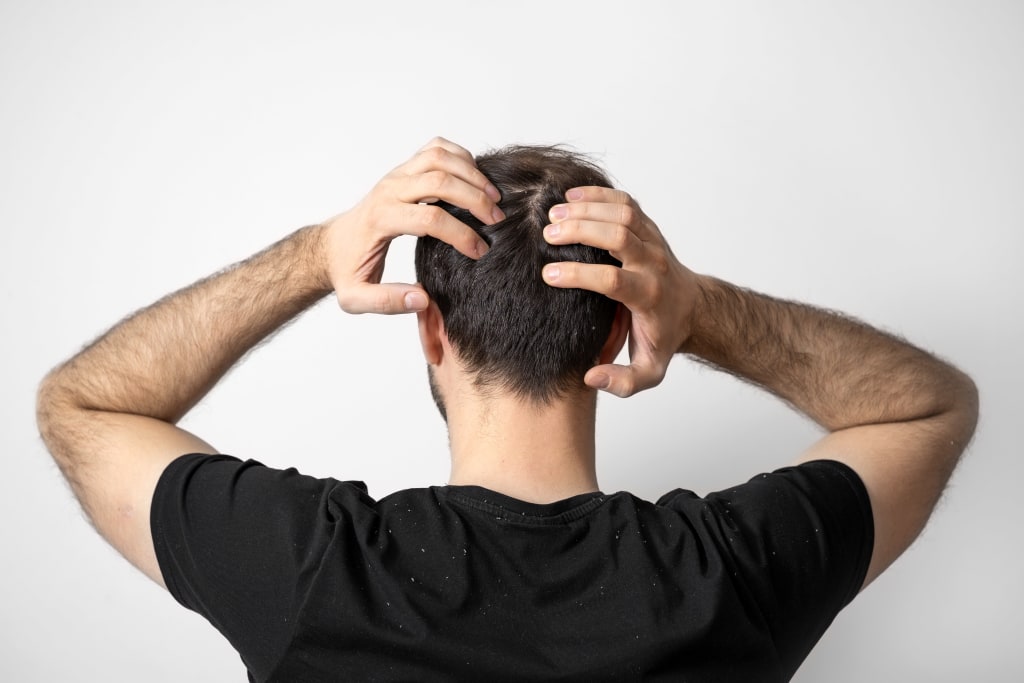
If you have ever experienced an itchy scalp, you know how frustrating and uncomfortable it can be. Scratching your head constantly can damage your hair, irritate your skin, and even cause infections. But what causes an itchy scalp, and how can you treat it?
There are many possible causes of an itchy scalp, ranging from mild to serious. Some of the most common ones are:
- Dandruff: This is a condition where the scalp produces too much oil and flakes of dead skin. It can cause itching, flaking, redness, and yellow or white scales on the scalp. Dandruff can be triggered by stress, hormonal changes, yeast overgrowth, or sensitivity to certain hair products.
- Contact dermatitis: This is a type of allergic reaction that occurs when the scalp comes in contact with something that irritates it, such as a new shampoo, hair dye, or perfume. It can cause itching, rash, swelling, or blisters on the scalp.
- Scalp psoriasis: This is an autoimmune disorder that causes the skin cells to grow too fast and form thick, scaly patches on the scalp. It can cause itching, burning, bleeding, or hair loss. Scalp psoriasis can be worsened by stress, infections, or cold weather.
- Head lice: These are tiny insects that live on the scalp and feed on blood. They can cause intense itching, especially at night. They can also cause red bumps, sores, or nits (eggs) on the scalp. Head lice can spread easily through direct contact or sharing personal items.
- Ringworm: This is a fungal infection that affects the skin and hair. It can cause circular patches of hair loss, scaling, redness, or blisters on the scalp. Ringworm can be contracted from animals, soil, or other people.
If you have an itchy scalp that lasts longer than a week, is accompanied by pain, sores, swelling, or hair loss, or interferes with your sleep or daily activities, you should see a doctor for diagnosis and treatment. Some conditions may require prescription medications or other interventions..

However, if you have a mild or occasional itchy scalp that is not caused by a serious condition, you may be able to treat it at home with some natural remedies. Here are some of the best ones:
- Apple cider vinegar: This has antibacterial, anti-inflammatory, and antifungal properties that can help reduce itching and flaking caused by dry skin or dandruff. Dilute apple cider vinegar in warm water and use it as a rinse after shampooing your hair. You can also add a few drops of essential oils like lavender or tea tree for extra benefits.
- Coconut oil: This has lauric acid, a saturated fat that has antimicrobial properties and helps the skin absorb moisture. Coconut oil can help soothe an itchy scalp caused by eczema or head lice. Massage organic coconut oil into your scalp and leave it for at least 30 minutes before washing it off. You can also mix coconut oil with anise oil for a more effective lice treatment.
- Peppermint oil: This has a cooling and refreshing effect that can help calm down an itchy scalp. It also has antiseptic and anti-inflammatory properties that can help prevent infections and inflammation. Dilute peppermint oil with another oil like olive oil and massage it into your scalp before shampooing. You can also use peppermint tea as a rinse after washing your hair.
- Red light therapy: This is a type of treatment that uses low-level laser light to stimulate blood circulation and cell regeneration in the scalp. Red light therapy can help treat an itchy scalp caused by hair loss conditions like alopecia or scarring alopecia. It can also help improve hair growth and thickness by increasing the production of collagen and keratin in the hair follicles.
Red light therapy is safe, painless, and convenient to use at home with a device like a red light therapy cap. You just need to wear the cap for 15 to 30 minutes every other day for optimal results. Several studies have shown that red light therapy can significantly improve hair density and quality in people with various types of hair loss.

One study found that red light therapy increased hair density by 37% in women with female pattern hair loss after 16 weeks of treatment1. Another study found that red light therapy improved hair growth by 35% in men with androgenetic alopecia after 24 weeks of treatment2. A third study found that red light therapy reduced scalp inflammation and improved hair quality in people with scarring alopecia after 12 weeks of treatment3.
If you want to try red light therapy for your itchy scalp and hair loss, make sure to choose a device that has the right wavelength, power, and coverage. The optimal wavelength for hair growth is between 630 and 670 nanometers, which is the red spectrum of light. The power should be at least 5 milliwatts per diode, which is enough to penetrate the scalp and reach the hair follicles. The coverage should be large enough to cover the entire scalp area that needs treatment.
Red light therapy is a natural and effective way to treat an itchy scalp and hair loss, but it is not a miracle cure. You still need to address the root cause of your scalp condition and follow a healthy lifestyle. Eating a balanced diet, drinking enough water, managing stress, and avoiding harsh chemicals can all help improve your scalp health and hair quality.
An itchy scalp can be a nuisance, but it doesn’t have to ruin your day. By using some of these natural remedies, you can relieve your itchiness and enjoy a healthy and beautiful scalp and hair.
About the Creator
VitalCare
Share the story of audience every day, and provide relevant advice on hair growth, weight loss, skin care, etc. Your health matters to us!




Comments
There are no comments for this story
Be the first to respond and start the conversation.