
How to Tell if You Are Dating Someone Dangerous and What to Do About It
Recognizing Red Flags in a Relationship: Signs You Might Be Dating Someone Dangerous and Steps to Protect Yourself

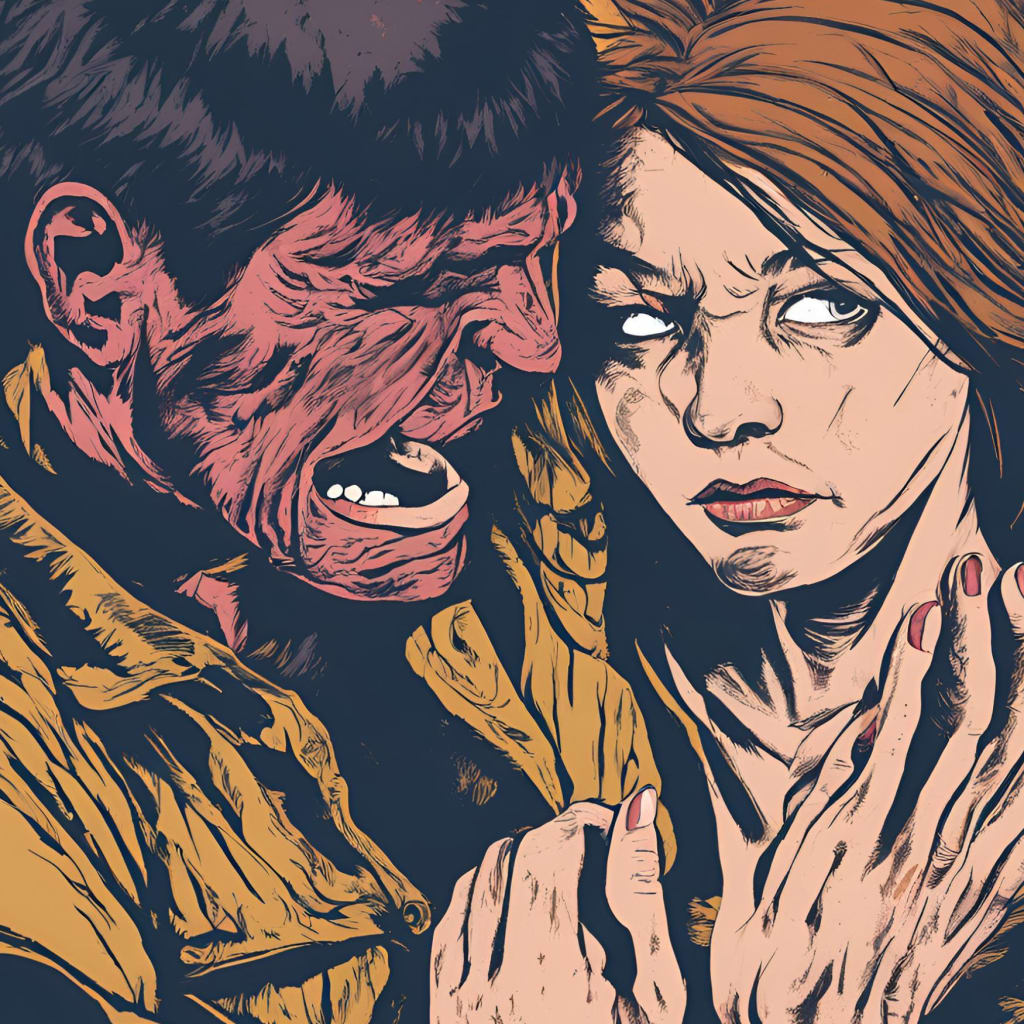
Dating can be an exciting, joyful experience, but sometimes the person you're involved with may not be who they seem. Recognizing the signs of a dangerous partner early on is crucial for your safety and well-being. Unfortunately, dangerous individuals often hide their true nature behind charm, manipulation, and emotional control. In this article, we'll discuss how to spot a dangerous person, how to tell when they're lying, what to do when your life is at risk, and how to get the help you need to break free.
Disclaimer: I am not a licensed therapist, psychologist, or legal professional. The information and advice shared in this article are based solely on my personal observations, experiences, and opinions. This is not intended to replace professional counselling, therapy, or legal advice. If you believe you are in a dangerous or abusive relationship, I strongly encourage you to seek help from a qualified professional or contact the appropriate authorities.
____________________________________________________
How to Tell if You Are Dating Someone Dangerous
Recognizing a dangerous partner requires careful observation of their behavior. Here are some signs to look out for:
1. Controlling Behavior
- Overbearing demands: A dangerous partner often tries to control every aspect of your life, including who you spend time with, what you wear, or how you act. They might seem overly protective but are actually controlling.
- Isolation: They may try to isolate you from friends, family, and other support systems. This is often done subtly, with complaints about your friends or belittling your relationships with others.
2. Extreme Jealousy
- A person who is excessively jealous can be dangerous. They might monitor your phone, social media, or even show up uninvited at places where you are. This behavior often escalates to controlling or threatening actions.
3. Aggressive Behavior
- Physical violence: Physical abuse is a clear sign that the person is dangerous. This can include hitting, slapping, or even threatening to harm you.
- Verbal abuse: Insulting, belittling, or threatening you with emotional or psychological harm is another red flag.
4. Manipulation and Gaslighting
- Emotional manipulation: Dangerous people often make you feel guilty or confused about your actions. They might twist facts, making you question your reality (known as gaslighting).
- Shifting blame: They may refuse to take responsibility for their actions and instead blame you for everything that goes wrong in the relationship.
5. Unpredictable Mood Swings
- One moment they can be loving and affectionate, and the next, they can be angry or cold without clear reason. This volatility can be exhausting and dangerous.
6. Lack of Empathy
- Dangerous people often lack empathy. They may dismiss your feelings, make you feel like your needs don’t matter, or show no remorse after hurting you.
7. History of Violent or Abusive Behavior
If your partner has a history of abusive relationships or violent behavior, especially if they justify it or downplay it, this is a significant red flag.
____________________________________________________
What to Do About It
If you recognize that you might be dating someone dangerous, it’s important to take immediate action. Here are steps you can take:
1. Trust Your Instincts
- Your gut feelings can be a powerful tool. If something feels off, don’t ignore it. Trust yourself and take it seriously.
2. Reach Out for Support
- Share your concerns with someone you trust, such as a close friend, family member, or therapist. They can offer perspective, support, and help you stay grounded.
- Online resources: Use trusted websites and hotlines that specialize in abusive relationships or dating violence.
3. Create a Safety Plan
- If you're feeling unsafe, create a safety plan. This could include identifying a safe place to go, a trusted person to call, and a list of emergency contacts.
4. Document Everything
- Keep a record of any abusive behavior, including dates, times, and specifics. This can be crucial if you need to involve authorities later on.
5. Set Boundaries
- If possible, set clear boundaries with the person. Be firm and assertive about what behavior is unacceptable, but know that many dangerous individuals will disregard boundaries altogether.
____________________________________________________
How to Get Help
If you believe your life is in danger, it’s crucial to reach out to professionals who can help. Here are some places to consider:
1. National Domestic Violence Hotlines
- United States: National Domestic Violence Hotline – Call 1-800-799-SAFE (7233) or text "START" to 88788.
- Canada: Canadian Women's Foundation (1-866-863-0511).
- UK: National Domestic Violence Helpline (0808 2000 247).
2. Police
- If you're in immediate danger, don't hesitate to call the police. Report any threats, physical harm, or emotional abuse.
3. Therapists and Counsellors
- A licensed therapist or counsellor can help you work through the emotional and psychological impact of an abusive relationship.
4. Shelters and Crisis Centers
- There are shelters that specialize in helping individuals who are fleeing dangerous relationships. These shelters provide temporary housing and resources for victims of violence.
____________________________________________________
How to Spot Dangerous People from a Mile Away
Recognizing the traits of dangerous people early can help you avoid entering a harmful relationship. Look for the following warning signs:
- Fast-moving relationships: They may want to move the relationship forward quickly and pressure you into commitment before you're ready.
- Inconsistent stories: They may tell contradictory or inconsistent stories. Pay attention to discrepancies in their background or past experiences.
- Overly charming: While charm is not inherently dangerous, overly flattery or love bombing is a manipulation tactic to win you over quickly.
- Disrespecting boundaries: They might test or push against your boundaries, claiming "it’s just how they are."
___________________________________________________
Do Dangerous People Lie? How to Tell When They Are Lying
Yes, dangerous people often lie, and they do so strategically to manipulate or control you. They may lie about their past, their feelings, or the circumstances surrounding their behavior. Here’s how to spot a liar:
- Inconsistent details: If their stories keep changing, that’s a big red flag.
- Deflecting: When confronted with their lies, they may avoid answering directly or blame others for your doubts.
- Excessive defensiveness: They might become overly defensive when questioned, which can be a sign they are hiding something.
- Evasive answers: They may try to distract you or give vague, non-committal responses when asked about important matters.
___________________________________________________
How to Break Up or End a Relationship with a Dangerous Person
Ending a relationship with a dangerous person can be challenging, especially if they have a manipulative or controlling nature. Here’s how to go about it:
1. Plan Your Exit
- Ideally, you should plan the breakup in advance. Make sure you have a safe place to go and a support system in place.
- Avoid face-to-face confrontations if you believe it could escalate into violence.
2. Be Direct but Firm
- Clearly state that the relationship is over. Don’t leave room for negotiation or confusion.
- If the person is dangerous, avoid giving them a chance to change your mind with manipulative tactics.
3. Keep It Short and Simple
- You don’t need to explain in great detail why you’re ending the relationship. Simply state that you no longer want to be with them.
____________________________________________________
Impact of Dating Someone Dangerous
Dating a dangerous person can have lasting emotional, psychological, and even physical impacts. Some of the effects include:
- Loss of self-esteem: Constant belittling or manipulation can make you doubt your worth.
- Trust issues: Being lied to or mistreated can make it difficult to trust others in future relationships.
- PTSD or anxiety: If the relationship was abusive, you might experience trauma that requires professional help to heal.
___________________________________________________
How to Escape Someone Dangerous
Escaping from a dangerous person can be difficult, but it is possible with the right plan:
- Leave when they are not around: If possible, leave when they are not home or aware.
- Have an exit strategy: Plan ahead where you will go, who you will stay with, and how you will get there.
- Use emergency services: If you feel physically threatened, don’t hesitate to call 911 or the local authorities.
___________________________________________________
Who to Tell When You Suspect You're Dating Someone Dangerous
It’s important to confide in others when you’re in a potentially harmful relationship. Consider telling:
- A trusted friend or family member who can provide support.
- A therapist or counsellor for professional guidance.
- The authorities or a domestic violence hotline if your safety is at risk.
____________________________________________________
Conclusion
Dating someone dangerous can be an overwhelming and terrifying experience, but recognizing the signs early, trusting your instincts, and taking the necessary steps to protect yourself are vital. If you feel unsafe, don't hesitate to reach out for help from trusted individuals or professional organizations that specialize in supporting those in abusive relationships. Your safety and well-being are the top priority, and there is always help available when you need it most.
About the Creator
Diana Crooks
Storyteller with a knack for turning life’s chaos into compelling reads. Whether it’s quirky, thoughtful, or just plain unexpected, my content is here to entertain and inspire. Come for the words, stay for the vibes!
Keep reading
More stories from Diana Crooks and writers in Humans and other communities.
Signs of a Toxic Relationship: How to Recognize the Danger Before It’s Too Late
Physically as well as emotionally and psychologically, a toxic relationship can be quite damaging. Many people wait until it's too late to see the warning signs. Toxic relationships can occasionally turn into severe abuse that can even be lethal. This article explains why toxic relationships are harmful, outlines the warning signs of one, and offers advice on what to do if you or someone you know is in one.
By Diana Crooks2 months ago in Humans
The Day I Realized I Was Living Someone Else’s Dream
I used to think exhaustion was normal. Not the kind that goes away after a good night’s sleep, but the deeper kind. The kind that settles into your bones and whispers, “Something is wrong,” even when everything looks right on paper.
By HazelnutLattea4 days ago in Humans



Comments (1)
Good to know. Good job