
How to control your emotions
Type's of emotion Technique on how to control your emotions The role of emotion in your life
roduction:
Emotions are an integral part of the human experience. They help us express ourselves, connect with others, and react to the world around us. However, sometimes our emotions can get the best of us, leading to impulsive actions and negative consequences. Learning to control your emotions can help you navigate difficult situations with greater ease and improve your overall well-being. In this article, we will show you type and explore some techniques for controlling your emotions and the role it plays in human life.
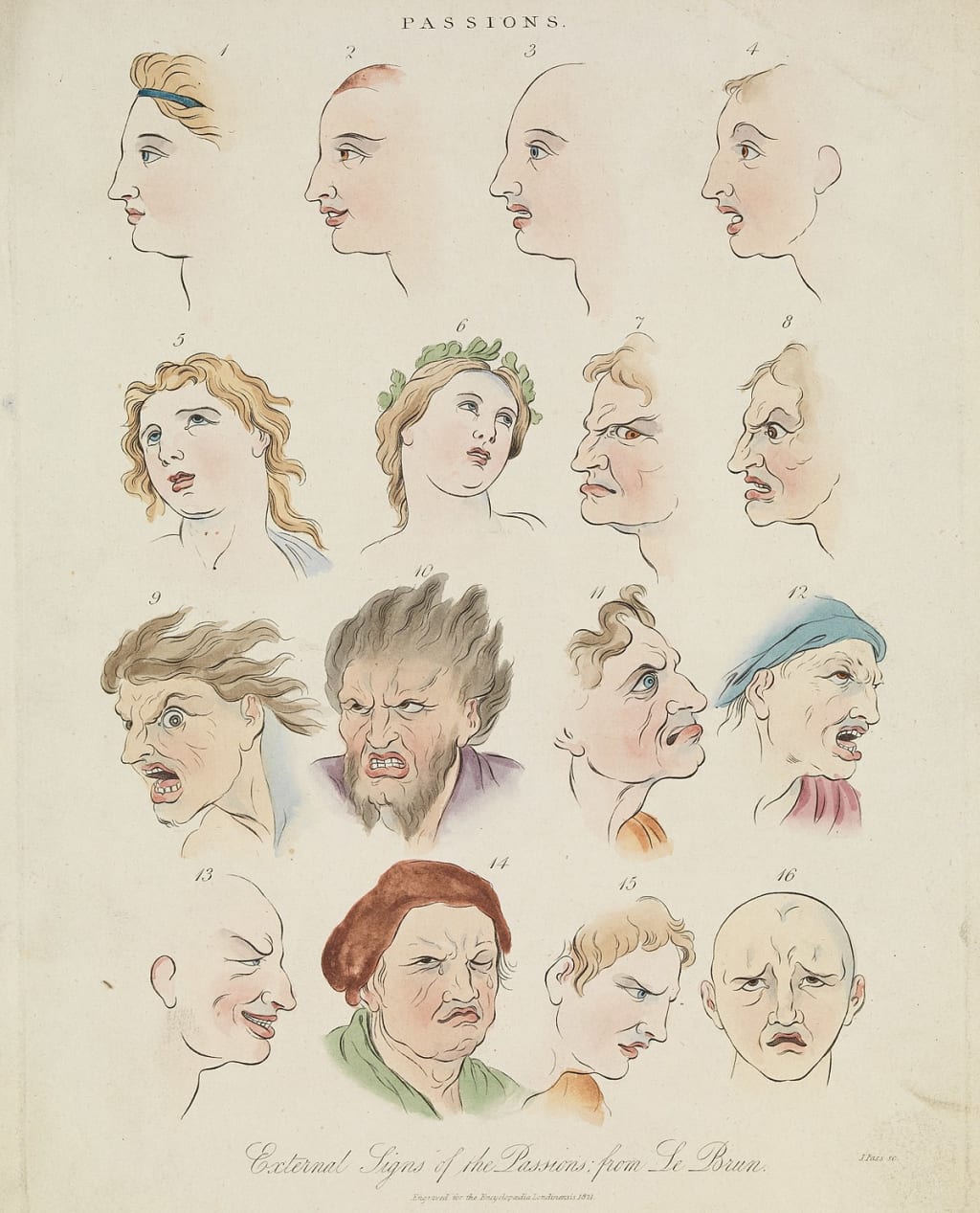
There are many different types of emotions that humans can experience, including:
1. Happiness: a positive emotion associated with feelings of joy, contentment, and satisfaction.
2. Sadness: a negative emotion associated with feelings of loss, grief, and loneliness.
3. Anger: a strong emotion associated with feelings of frustration, irritation, and hostility.
4. Fear: a negative emotion associated with feelings of anxiety, apprehension, and danger.
5. Disgust: a negative emotion associated with feelings of revulsion, aversion, and nausea.
6. Surprise: an emotion associated with feelings of amazement, astonishment, and bewilderment.
7. Love: a positive emotion associated with feelings of affection, caring, and devotion.
8. Envy: a negative emotion associated with feelings of jealousy and resentment.
9. Guilt: a negative emotion associated with feelings of remorse, regret, and self-blame.
10. Shame: a negative emotion associated with feelings of embarrassment, humiliation, and self-consciousness.
Technique on how to control your emotions
1. Recognize your emotions:
The first step in controlling your emotions is to recognize them. Take some time to reflect on your feelings and identify what is causing them. This will help you gain a better understanding of your emotional triggers and how to avoid or manage them.
2. Practice mindfulness:
Mindfulness is a technique that involves focusing on the present moment without judgment. It can help you become more aware of your emotions and how they affect you. When you feel an intense emotion, take a moment to pause and observe it without reacting. This can help you respond more calmly and thoughtfully.
3. Use positive self-talk:
Negative self-talk can escalate emotions and make it difficult to control them. Instead, try using positive self-talk to soothe yourself and reduce the intensity of your emotions. Use phrases like "I can handle this" or "I am in control of my emotions" to boost your confidence and reduce anxiety.
4. Practice relaxation techniques:
Relaxation techniques like deep breathing, meditation, and visualization can help reduce stress and anxiety, which can in turn help you control your emotions. When you feel overwhelmed, take a few deep breaths and visualize a calming scene, like a beach or a forest.
5. Seek support:
Talking to a trusted friend or family member can help you process your emotions and gain perspective. It can also help you feel less alone and more supported. If you are struggling to control your emotions on your own, consider seeking professional help from a therapist or counselor.
6. Engage in physical activity:
Exercise is a great way to reduce stress and improve your mood. It can also help you release pent-up emotions in a healthy way. Try going for a run, taking a yoga class, or going for a hike to help you manage your emotions.
The role of emotion in human life
Emotions play a critical role in human life. They are complex psychological and physiological responses to internal and external stimuli that are fundamental to how we think, feel, and behave. Emotions help us navigate the world around us, make decisions, and form social bonds. Here are some of the key roles that emotions play in human life:
1. Communication: Emotions are a way of communicating with others. We convey our feelings through facial expressions, body language, and tone of voice, and these cues help others understand how we are feeling.
2. Decision-making: Emotions play a vital role in decision-making. They help us evaluate the potential outcomes of a decision and guide us towards choices that align with our goals and values.
3. Motivation: Emotions can motivate us to take action. Fear, for example, can motivate us to avoid danger, while excitement can motivate us to pursue new opportunities.
4. Social bonding: Emotions help us form social bonds with others. Positive emotions such as love, trust, and empathy help us connect with others, while negative emotions such as anger and jealousy can damage relationships.
5. Coping with stress: Emotions play a crucial role in our ability to cope with stress. Positive emotions such as joy, gratitude, and hope can help us manage stress and promote resilience, while negative emotions such as fear, anger, and sadness can increase stress levels if not managed effectively.
Overall, emotions are an essential component of human life. They help us navigate our relationships, make decisions, and cope with the challenges of daily life.
Conclusion:
Learning to control your emotions is a process that takes time and practice. By recognizing your emotions, practicing mindfulness, using positive self-talk, practicing relaxation techniques, seeking support, and engaging in physical activity, you can develop the skills you need to navigate difficult situations with greater ease and improve your overall well-being. Remember to be patient and kind to yourself as you work on controlling your emotions.
writing
About the Creator
Keep reading
More stories from writers in Humans and other communities.
Whiskey At Dusk
Guess the whiskey was more important to you in the end, wasn’t it? It was more than the well-being of your friends; more vital than showing up to the places you promised you would and could come to; more critical of a matter than fulfilling your damn responsibilities and getting the press off your back.
By Snarky Lisa5 days ago in Humans




Comments
There are no comments for this story
Be the first to respond and start the conversation.