
How to choose perfume to suit your personal style
Perfume is more than just a scent—it is a reflection of personality, mood, and even life’s different stages. Much like fashion, fragrance serves as an extension of self-expression, evolving with time and preference.

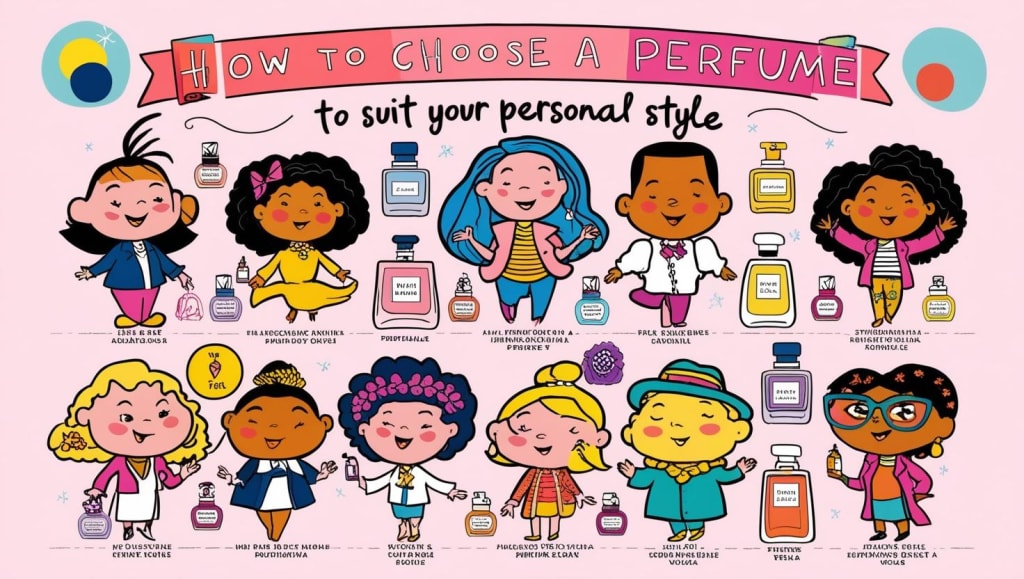
Understanding the essential elements of a perfume, from its three fragrance moments to its alignment with personality traits, can help in selecting the perfect scent for any occasion
Essential with 3 moments of fragrance
Top Notes: The first impression of a fragrance, typically light and fresh, lasts about 15 minutes to an hour. Common top notes include citrus, herbs, and delicate fruits.
Middle Notes: Also known as heart notes, these emerge as the top notes fade, forming the core of the fragrance. They last between 3 to 5 hours and often feature floral, spicy, or fruity scents.
Base Notes: The long-lasting foundation of a perfume, providing depth and richness. Common base notes include musk, vanilla, and wood.
The Timeless Connection Between Fashion and Perfume: Choosing the Right Scent for Every Age
Fashion and fragrance have always been intertwined, both serving as powerful forms of self-expression that evolve over time. Just as our wardrobe choices shift with age, so too does our preference for certain scents.
A perfume, much like an outfit, should complement personality, mood, and lifestyle. For younger individuals, light and refreshing fragrances—such as citrus, fruity, or delicate floral notes—mirror the carefree, energetic spirit of youth, much like casual, trendy fashion.
As one matures, scent preferences often lean toward deeper, more complex compositions, featuring warm woods, musk, or oriental notes that exude sophistication, much like a refined wardrobe. However, just as fashion is about personal style rather than rigid rules, perfume should be chosen based on what makes you feel confident and authentic at any age.
This parallel between fashion and fragrance has existed for decades.
Historically, haute couture houses extended their artistic vision into the world of perfumery, creating iconic scents that embody their brand’s essence.
Paul Poiret, one of the first designers to fuse fashion with fragrance, famously stated, “My perfumes will do for your soul what my dresses have done for your body.”
Following in his footsteps, brands like Chanel, Dior, and Givenchy introduced legendary perfumes that became just as essential as their clothing lines.
The tradition continues today, with fragrances like Guerlain’s La Petite Robe Noire capturing the elegance and timeless appeal of the little black dress.
The Connection Between Personality and Scent
Your fragrance should reflect who you are and how you want to be perceived. Here are some personality types and their ideal scent profiles:
The Explorer
Your adventurous nature, constant pursuit of new experiences, and willingness to venture beyond your comfort zone characterize you. A fresh, bold scent with citrus, sandalwood, or amber notes will perfectly capture your free spirit and enthusiasm.
The Perfectionist
You are disciplined, detail-oriented, and strive for excellence in everything you do. Elegant, refined, and minimalistic scents like white florals, fine woods, or soft musks reflect your polished and sophisticated nature.
The Energizer
You are lively, cheerful, and radiate positivity. Vibrant, fresh, and youthful fragrances with fruity, citrus, or spicy notes will match your dynamic and charismatic personality.
The Harmonizer
You are warm, approachable, and always seek balance and harmony in life. Soothing and calming scents like lavender, green tea, or warm woody notes will reflect your peaceful and grounded nature.
The Sensitive One
You are thoughtful, intuitive, and deeply in tune with emotions. Soft, delicate, and romantic scents like powdery notes, vanilla, or peony will highlight your gentle and sentimental side.
When buying a perfume in a shop, follow these steps to know if it fits you
1. Take Your Time—Don’t Rush the Decision
When shopping for perfume, avoid making a quick decision based solely on the initial scent. Fragrances are composed of different notes that evolve over time, meaning what you smell in the first few seconds may not be the scent you experience throughout the day. Instead, take a methodical approach to testing and allow time for the fragrance to develop before deciding.
2. Start with a Blotter Test
Before applying a perfume directly to your skin, test it on a blotter (also called a fragrance test strip). This allows you to experience the scent without interference from your body chemistry. Spray the perfume onto the blotter and give it a few seconds to settle before smelling. If the initial impression is appealing, move on to testing it on your skin.
3. Apply to Your Pulse Points
If you find a perfume you like on the blotter, the next step is to apply it directly to your skin. The best places to test a fragrance are your pulse points, such as:
Wrist—One of the most common spots for testing perfume.
Inner elbow—A great alternative to the wrist, especially if you are testing multiple scents.
Neck or behind the ears—Helps assess how the fragrance diffuses naturally throughout the day.
Make sure to spray the perfume on clean, dry skin and avoid rubbing your wrists together, as this can break down the molecular structure of the fragrance and alter its scent.
4. Assess How the Perfume Interacts with Your Skin
Every person’s skin has a unique chemistry that can alter the way a perfume smells. Factors like body temperature, natural oils, and even diet can influence the final scent. As the fragrance develops, ask yourself:
Does the scent become stronger or fade too quickly?
Does it blend well with your natural skin scent?
Do you enjoy how it smells on your skin rather than just in the bottle?
If a perfume turns too sharp, powdery, or sweet, it might not be the best match for your body chemistry.
5. Step Outside for a Fresh Perspective
Perfume stores are filled with numerous fragrances, which can make it difficult to truly assess a scent. To get a more accurate impression, step outside or into an open space where there are fewer competing smells. Fresh air helps clear your nose and allows you to experience the fragrance as others might perceive it in everyday settings.
6. Limit Testing to a Few Scents
Your nose can become overwhelmed after smelling too many fragrances in one session. To avoid sensory fatigue, test no more than three perfumes at a time. If you need to reset your sense of smell between scents, take a deep breath of coffee beans (often provided in stores) or sniff your own skin to neutralize your olfactory senses.
My Go-To Perfumes for Every Mood
As a fragrance lover, I’ve discovered a few timeless scents that suit different moods and occasions. Ralph Lauren is my favorite for an elegant and feminine touch, blending fresh citrus with romantic rose and deep patchouli.
When I want something warm and inviting, Fruity Almond is my go-to, with its rich mix of vanilla, coffee, and jasmine. For a bold and mysterious vibe, Tom Ford Black Orchid never disappoints—it’s dark, sensual, and irresistibly complex with truffle, plum, and spice.
And for a fresh, effortless feel, Jo Malone Wood Sage & Sea Salt is perfect, evoking the crisp, airy essence of a coastal breeze. Each of these perfumes has a unique personality, making them must-haves in any collection.
About the Creator
Beauty & Health (TheEndTK)
Radiant beauty and vibrant health are deeply connected, with true wellness beginning from the inside. By fueling our bodies with nutrient-rich foods, staying hydrated, and maintaining an active lifestyle, we enhance our natural beauty.
Keep reading
More stories from Beauty & Health (TheEndTK) and writers in Humans and other communities.
How to Keep Your Lips Smooth and Healthy
1. Maintaining Soft, Healthy Lips with Proper Protection To maintain soft and healthy lips, adopting a consistent care routine is essential. One of the most important steps is regularly reapplying lip balm throughout the day. Our lips are prone to losing moisture quickly, especially when exposed to environmental factors such as dry air, cold temperatures, and sun exposure.
By Beauty & Health (TheEndTK) 11 months ago in 01
Whiskey At Dusk
Guess the whiskey was more important to you in the end, wasn’t it? It was more than the well-being of your friends; more vital than showing up to the places you promised you would and could come to; more critical of a matter than fulfilling your damn responsibilities and getting the press off your back.
By Snarky Lisaa day ago in Humans


Comments
There are no comments for this story
Be the first to respond and start the conversation.