
How Respite Care Services Strengthen Families of Individuals with Developmental Disabilities
Understanding the benefits of temporary care and how it supports both caregivers and their loved ones
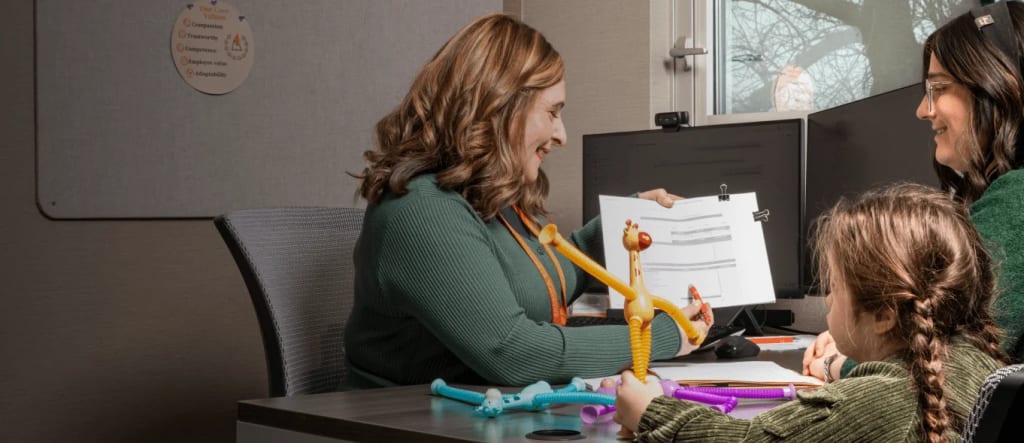
Caring for a loved one with developmental disabilities is one of the most profound and rewarding responsibilities a person can take on. It often stems from deep familial love and commitment. But even with all the passion and dedication in the world, caregiving is demanding—physically, emotionally, and mentally. Over time, constant caregiving without sufficient breaks can lead to burnout, stress, and even a decline in the caregiver's health. That’s where respite care services come into play.
Respite care is a form of temporary relief for caregivers, providing them the opportunity to step away from their duties for a few hours, days, or even longer, depending on the situation. It’s not about abandoning responsibilities; rather, it’s about making caregiving sustainable. It allows families to recharge, tend to other aspects of their lives, and return to caregiving with renewed energy and focus.
Why Respite Care Matters
Many families caring for individuals with developmental disabilities navigate a complicated daily routine that includes assisting with meals, hygiene, mobility, medical needs, educational support, and emotional regulation. This consistent level of involvement can leave caregivers feeling isolated, overwhelmed, or even guilty for needing time for themselves.
Respite care offers a lifeline. It ensures the individual continues receiving professional, compassionate support in a safe and familiar environment while allowing the caregiver to take a necessary step back. Whether it’s time to attend to other family members, pursue employment, manage household tasks, or simply rest, respite services help balance the needs of the entire household.
Beyond physical relief, respite care contributes to emotional well-being. Studies have shown that regular breaks from caregiving can reduce stress, lower the risk of depression, and improve the caregiver's overall quality of life. It also creates space for family relationships to thrive, minimizing resentment or fatigue that can build over time when support is lacking.
What Respite Services Offer
Respite care can be provided in a variety of settings and formats, including:
- In-home care: Trained professionals or volunteers come to the family's home to care for the individual.
- Facility-based programs: Short-term stays in specialized facilities that offer 24/7 care.
- Community-based programs: Day programs or weekend camps that provide socialization and care for individuals while giving caregivers a break.
- Emergency respite care: Available in crisis situations where the caregiver is unable to provide care due to illness, injury, or unexpected life events.
These services are often flexible and can be tailored to suit individual and family needs. Frequency can vary from once a week to occasional, extended periods of care.
Accessing Support Through OPWDD Respite Services
In New York State, the Office for People With Developmental Disabilities (OPWDD) plays a critical role in connecting families with the services they need. One of the most valuable offerings under this umbrella is OPWDD respite services, designed specifically to support individuals with developmental disabilities and their caregivers.
These services are available to eligible families and include both planned and emergency respite options. OPWDD collaborates with certified provider agencies across the state to ensure access to high-quality care. Once enrolled in OPWDD services, families can work with a Care Manager or coordinator to determine what type of respite care is best suited for their situation.
Many families report that OPWDD's respite programs not only provide relief but also foster skill-building and social engagement for their loved ones. Whether through in-home care or community-based programs, individuals often benefit from structured activities, interaction with peers, and exposure to new experiences. This dual benefit, support for the caregiver and enrichment for the individual, makes respite care one of the most holistic forms of assistance available.
Overcoming Barriers to Respite Care
While the benefits of respite care are clear, some families hesitate to pursue it. Common barriers include guilt over leaving a loved one in someone else's care, concerns about finding a trustworthy provider, or lack of awareness about available options.
However, it's important to recognize that asking for help is not a sign of weakness. It’s a step toward long-term sustainability. No one can pour from an empty cup. Taking time to rest enables caregivers to continue giving their best to those they care for.
To overcome these barriers, families are encouraged to:
- Connect with support groups and other caregivers to learn from their experiences
- Speak with care managers, service coordinators, or OPWDD representatives to explore trusted provider agencies
- Start with short, scheduled respite visits to build comfort and confidence
Building a Stronger Foundation for Care
The journey of caregiving doesn’t have to be one of isolation and fatigue. With the right resources in place, families can find a rhythm that supports both the needs of their loved ones and their own well-being.
Respite services, especially those provided through established programs like OPWDD, are an essential part of that equation. They empower families to sustain the energy, patience, and compassion needed for long-term caregiving. More importantly, they reinforce the message that caregivers, too, deserve support and care.
As awareness grows around the importance of mental health and caregiver sustainability, so too does the understanding that respite care is not a luxury. It is a necessity. And for families of individuals with developmental disabilities, these services are more accessible than ever before.
If you're a caregiver feeling stretched thin, know that help exists. Exploring respite services today may be the first step toward a more balanced, fulfilling caregiving experience for both you and your loved one.
About the Creator
Keep reading
More stories from Business Education and writers in Humans and other communities.
The Creator’s Guide to Structuring YouTube Videos for Maximum Audience Engagement
YouTube has become one of the most powerful platforms for content creators, enabling anyone with a camera and an idea to build a global audience. But as the platform grows more competitive, creators need to do more than just post videos—they need to structure them in ways that captivate and retain viewers. In this guide, we’ll explore how organizing video content using timestamps can drastically improve audience interaction, enhance user experience, and boost your overall channel performance.
By Business Educationabout a year ago in Education
The CEO of Everything
They say "jack of all trades, master of none," but they forgot to mention the part where the jack of all trades is also the camera woman, the makeup artist, and the person currently yelling at a tangled Wii microphone cable in a her own bathroom while recording herself singing and trying to make it look realistic and professional. (As professional as you can make it with nothing but a cell phone camera and a mic that doesn't work)
By Sara Wilson4 days ago in Humans
How Porn Culture Influences Expectations and Real Life
Pornography has become a mainstream cultural force in Western societies. High-speed internet, smartphones, and social platforms have made adult content instantly accessible. For many adults, porn is encountered long before real relationships begin. This early and repeated exposure shapes beliefs about sex, intimacy, bodies, and performance. Understanding its influence helps people separate fantasy from reality and build healthier connections.
By Artical Media4 days ago in Humans
Ludacris and Nelly draw backlash over bookings at MAGA-coded music festival
Ludacris and Nelly headlining a mostly right-wing event is good for them. It’s also great for the genre of hip hop. The two rap veterans have showcased their talents on other stages. Why can’t they perform for mostly MAGA folks and grab that bag?
By Skyler Saunders6 days ago in Beat



Comments