
How do I start a bathroom renovation?
How do I start a bathroom renovation?
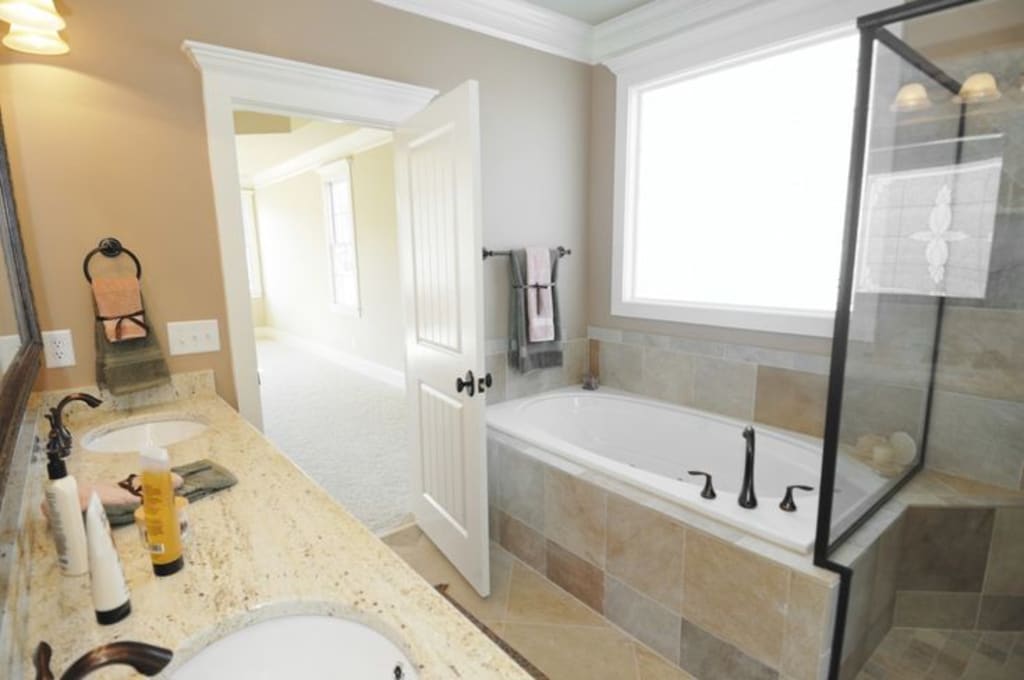
A bathroom renovation is a fantastic way to refresh one of the most used spaces in your home while adding value and improving functionality. However, starting the process can be daunting if you’re unsure where to begin. From planning and budgeting to choosing materials and hiring professionals, every step plays an essential role in the success of your project. Here’s a detailed guide to help you kick off your Expert Bathroom Remodeling Services with confidence.
1. Define Your Renovation Goals
Before diving into any renovation, it’s essential to outline your goals. What do you want to achieve with the remodel? Whether you’re looking to increase storage, update outdated fixtures, or create a spa-like retreat, your goals will influence all your decisions moving forward.
Consider the following:
Functionality: Are you looking for more space, better storage, or improved accessibility?
Aesthetics: Do you want a modern, traditional, or minimalist design?
Budget: How much are you willing to invest in the renovation?
Timeframe: Are you working on a tight schedule, or is the project more flexible?
Clearly defining your goals will help you stay focused throughout the renovation process.
2. Set a Realistic Budget
A well-planned budget is the foundation of any successful renovation. The cost of a bathroom renovation can vary widely depending on the scope of the project and the quality of materials used. On average, bathroom renovations can range from $5,000 to $25,000, so it’s important to establish a budget that covers everything from materials to labor.
Key costs to consider include:
Materials: Fixtures (tub, toilet, sink), countertops, flooring, and tiles.
Labor: Contractor fees, plumbing, electrical work, and permits.
Contingency: Set aside 10-20% of your budget for unexpected expenses such as hidden water damage or plumbing issues.
Having a detailed budget in place will guide your decisions and prevent overspending.
3. Measure Your Space
Accurate measurements are critical to ensuring that your renovation goes smoothly. Before you start choosing fixtures or materials, measure the dimensions of your bathroom carefully. This includes the floor space, wall height, and the location of plumbing and electrical outlets.
Having these measurements will help you:
Determine what size fixtures will fit.
Plan the layout effectively.
Avoid purchasing items that are too large or too small for the space.
If you’re not confident in your measuring skills, consider hiring a professional to take precise measurements.
4. Create a Layout and Design Plan
Once you know your bathroom’s dimensions, it’s time to create a layout and design plan. Decide whether you want to keep the existing layout or reconfigure the space for better functionality. For example, you may want to move the sink or shower to a different location, or add a double vanity for more convenience.
Consider the following when planning your layout:
Plumbing: Moving plumbing fixtures can increase the cost, so it’s often more budget-friendly to keep the layout the same.
Storage: Think about adding cabinets, shelving, or built-in storage solutions to maximize space.
Ventilation: Proper ventilation is essential in preventing mold and mildew buildup. Consider installing a fan if you don’t already have one.
In terms of design, think about the overall style you want to achieve—modern, rustic, traditional, or minimalist. Choose a color scheme, tile patterns, and fixtures that align with your aesthetic preferences.
5. Choose Materials and Fixtures
The materials and fixtures you choose will have a significant impact on the look and functionality of your bathroom. Start by researching options for:
Tiles: Ceramic, porcelain, or natural stone tiles are popular choices for bathroom floors and walls.
Countertops: Quartz, granite, marble, and solid surface materials offer durability and aesthetic appeal.
Vanities and Sinks: Choose from pedestal sinks, vessel sinks, or undermount sinks depending on your style and space needs.
Shower and Tub: Walk-in showers with glass enclosures or traditional bathtubs can be the centerpiece of your bathroom.
Lighting: Layered lighting, such as overhead lights, vanity lights, and accent lighting, enhances both functionality and atmosphere.
When selecting materials, balance aesthetics with practicality. For example, opt for moisture-resistant materials that are easy to clean and maintain in a high-humidity environment like a bathroom.
Conclusion
Starting a bathroom renovation requires careful planning, budgeting, and decision-making. By following these steps—defining your goals, setting a budget, measuring your space, creating a layout, and hiring professionals—you can ensure a smooth renovation process from start to finish. With the right approach, your new Abstract Floor Base Inc will be a space that enhances both your daily routine and the overall value of your home.
About the Creator
Keep reading
More stories from onecallbailbonds and writers in Humans and other communities.
What does a full kitchen include?
A Bathroom Remodeling In Las Vegas is more than just a place to cook—it’s a fully functional space designed for food preparation, cooking, cleaning, and even socializing. Whether you're renovating or building a new kitchen, it's important to understand the key components that make up a complete kitchen. Here’s a breakdown of what a full kitchen includes, covering all the essential elements.
By onecallbailbondsabout a year ago in Pride
iPhone 17e: A Quiet Shift in Apple’s Future
Every year, people wait for the next iPhone as if it carries a promise. A promise of better photos. A promise of smoother performance. A promise that this small object in our pocket will feel just a little closer to what we need. The conversation around iphone 17e feels different. It is not only about speed or camera numbers. It is about direction. Where is Apple heading? Who is this phone truly for? And why does the name itself suggest something slightly unexpected? The iphone 17e has sparked curiosity long before release, and that curiosity reveals something deeper about how we see technology in our daily lives.
By Muqadas khan4 days ago in Humans
Review of 'Man on the Run'
My wife and I saw Man on the Run, a nearly 2-hour documentary on Amazon Prime, about Wings, Paul McCartney's group that flew around the world from shortly after The Beatles broke up in early 1970 to shortly after John Lennon was murdered at the end of 1980, making a Beatles reunion forever impossible.
By Paul Levinson7 days ago in Beat


Comments
There are no comments for this story
Be the first to respond and start the conversation.