
How Did a Generation Become So Stupid? A Look at Modern Society
Instant Gratification Culture


Introduction
People often ask, "How did a generation become so stupid?" Of course, the term “stupid” is harsh, but it reflects a common sentiment that the current generation seems more disconnected from critical thinking, common sense, and meaningful knowledge. Is this assumption fair? And if so, what are the causes behind it? In this article, we’ll dive into the factors that may have led to this perception, looking at the influence of technology, education, social media, and more.
The Impact of Technology
Instant Gratification Culture
Technology has advanced at an extraordinary pace, but one of its side effects is the culture of instant gratification. From fast food to instant streaming, modern life is designed to satisfy our wants immediately. This has conditioned many people, particularly younger generations, to expect quick answers and solutions without putting in the necessary effort or critical thought.
Over-Reliance on Devices
Smartphones, tablets, and computers have become extensions of ourselves. While they provide access to endless information, they also allow us to outsource our thinking. Why remember something when you can Google it in seconds? This over-reliance on technology has weakened our memory and critical thinking skills, leaving many without the ability to solve problems on their own.
The Role of Education
A Shift in Learning Methods
In many parts of the world, the focus in education has shifted from developing deep knowledge to passing tests. Standardized testing often rewards rote memorization over critical thinking and problem-solving skills. This focus on results rather than understanding can leave students feeling disengaged, as they don’t see the value of learning beyond the grades.
Lack of Life Skills in School
Schools today are often criticized for not teaching practical life skills. While math and science are important, many young adults enter the world without basic skills like financial literacy, critical thinking, or emotional intelligence. This gap in education leaves them ill-prepared for real-world challenges, which may be why they’re perceived as “stupid.”
Social Media’s Influence
Echo Chambers and Misinformation
Social media has created echo chambers, where people are only exposed to opinions and information that align with their existing beliefs. This limits exposure to different perspectives and encourages a shallow understanding of complex issues. Additionally, misinformation spreads quickly on social platforms, leading people to believe false or misleading information.

The Pressure to Fit In
The rise of influencers and social media personalities has created a culture where looking good online often takes priority over being knowledgeable or thoughtful. Many young people focus on maintaining an image rather than developing their intellect or engaging in meaningful discussions.
The Decline of Reading and Deep Thinking
Attention Span Crisis
One of the side effects of the digital age is a noticeable decline in attention spans. Many people, especially younger ones, struggle to focus on long-form content like books or in-depth articles. Instead, they consume bite-sized information in the form of memes, tweets, or short videos. This shift has led to a decrease in critical thinking and the ability to engage with complex ideas.
The Loss of Reading for Pleasure
Reading used to be a primary way people learned about the world and expanded their thinking. Today, reading for pleasure has declined, with many preferring the instant entertainment of TV shows, video games, or social media. Without the habit of reading, people lose one of the most effective tools for developing their minds and expanding their perspectives.
Parenting in the Digital Age
Over-Protection and “Helicopter” Parenting
Many parents today are highly protective of their children, often stepping in to solve problems for them rather than letting them figure things out on their own. This "helicopter" parenting style can prevent kids from developing resilience, problem-solving skills, and independence—qualities they need to navigate adulthood successfully.
A Lack of Consequences
In some cases, the current generation has been raised without facing the natural consequences of their actions. Whether it’s receiving participation trophies or being shielded from failure, young people may grow up without understanding that mistakes are a crucial part of learning. This lack of accountability can lead to a sense of entitlement and an aversion to hard work.
The Problem with Consumerism
Materialism Over Meaning
Consumer culture encourages people to define their worth by what they own rather than what they know or can do. This shift in values leads many to focus on superficial success—clothes, gadgets, and status—rather than intellectual growth or personal development. It’s easy to see why this might give the impression that a generation has become "stupid."
The Pursuit of “Likes”
On social media, validation often comes in the form of “likes,” shares, and comments. This creates a cycle where people, especially the younger generation, are more focused on seeking approval through their appearance or entertaining content than on developing skills or knowledge that offer long-term fulfillment.
Escaping the Cycle
Reclaiming Critical Thinking
Despite these challenges, it’s possible to escape the cycle of shallowness that many people feel trapped in. The key lies in reclaiming critical thinking—questioning information, seeking out diverse perspectives, and taking the time to understand issues fully rather than relying on quick answers.
Building a Lifelong Learning Mindset
Lifelong learning should be a priority. By constantly seeking out new knowledge, whether through reading, online courses, or engaging in thoughtful conversations, we can break the cycle of superficiality and develop a deeper, more informed understanding of the world around us.

Conclusion
While it’s easy to blame technology, education, or even social media for the perception that a generation has become "stupid," the reality is more complex. The challenges of modern life, the pressures of instant gratification, and a lack of focus on critical thinking all contribute to this issue. However, by fostering curiosity, embracing lifelong learning, and rejecting the pull of shallow consumerism, it’s possible to reclaim our intelligence and overcome the obstacles that modern society presents.
FAQs
1. Is technology making us less intelligent?
Technology itself isn’t the problem, but how we use it can hinder critical thinking. Over-reliance on devices can prevent us from solving problems on our own.
2. How has social media impacted our intelligence?
Social media often promotes quick, surface-level interactions, limiting exposure to diverse opinions and deep thinking. It can also spread misinformation easily.
3. Why do people say the current generation is “stupid”?
This sentiment often stems from concerns about declining critical thinking skills, reliance on technology, and the influence of consumerism and social media on younger people.
4. Can we reverse this trend?
Yes! By promoting critical thinking, lifelong learning, and encouraging people to read more deeply, we can combat the perceived decline in intelligence.
5. How can parents help their children avoid these pitfalls?
Parents can encourage independent problem-solving, allow kids to face natural consequences, and emphasize the value of knowledge and curiosity over material success.
About the Creator
Muhammad Nadeem
Hello! I'm your go-to resource for the oddball, the curious, and the simply fascinating. You can find me exploring the more bizarre areas of the internet. I investigate everything while maintaining a healthy dose of curiosity and humor.
Keep reading
More stories from Muhammad Nadeem and writers in Humans and other communities.
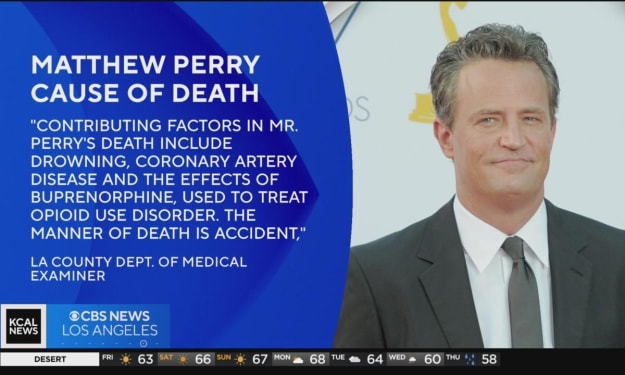
Matthew Perry toxicology report reveals cause of death was "acute effects of ketamine
Matthew Perry toxicology report reveals cause of death was "acute effects of ketamine Matthew Perry toxicology report uncovers reason for death was "intense impacts of ketamine"
By Muhammad Nadeem2 years ago in Humans
Kyrsten Sinema
Kyrsten Sinema is an important American political leader. She worked for many years in the U.S. government and became known for being different from many others in politics. This article uses easy English and clear subtitles to help you understand who she is, where she came from, what she did, and what is happening now with her.
By Farhan Sayed3 days ago in Humans
Wild Card Weekend Recap: What Happens Now?
I think I figured out why I love Wild Card Weekend so much. It's because it's the first playoff anything of the calendar year. The NFL season starts in the fall, and once upon a time, the champion was crowned either on or slightly before New Year's. The evolution of the NFL schedule has resulted in the playoffs starting just into the New Year, and currently, the final week of the season falls on the first weekend of the New Year, with Wild Card Weekend coming a week after that. So yes, chronologically, the NFL's Wild Card Weekend serves as the first playoff anything of the calendar year.
By Clyde E. Dawkins6 days ago in Unbalanced



Comments
There are no comments for this story
Be the first to respond and start the conversation.