
"Hope Is the Thing with Feathers"
How Hope Uplifts the Soul Like a Bird in Flight
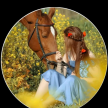

Hope is an invisible but powerful force that dwells deep within the human spirit. It is often the last thing we cling to when everything else seems to fall apart. Emily Dickinson, the reclusive and brilliant American poet, captured this feeling perfectly when she wrote, "Hope is the thing with feathers that perches in the soul, and sings the tune without the words, and never stops at all." In this line, Dickinson compares hope to a small bird—light, persistent, and always present within us.
This article explores the profound metaphor of hope as a feathered thing, revealing how this simple image reflects the depth, strength, and resilience of the human spirit. From literature to everyday life, from times of hardship to moments of triumph, hope is the gentle force that lifts us and helps us soar.
The Symbolism of Feathers and Flight
Birds and feathers have long been symbols of freedom, lightness, and the spirit’s ability to rise above. A feather, though delicate, allows a bird to lift off into the skies, to travel vast distances, and to weather storms. In many cultures, feathers represent spiritual messages, divine guidance, or the soul itself. In Native American traditions, for instance, feathers are sacred items, often seen as gifts from the heavens.
When Dickinson says hope is the “thing with feathers,” she evokes this universal image of something that is both delicate and strong. Hope, like a bird, is not a heavy thing—it doesn’t weigh us down. Instead, it lifts us. Even in the darkest of times, hope flutters quietly within us, reminding us that a better day may be coming.
Hope During Adversity
What makes hope so powerful is not its loudness or grandeur, but its persistence. Hope is often quiet. It does not force its way into our consciousness, but it remains, gently singing its song even when the world around us is filled with noise, fear, and sorrow.
During times of crisis—personal loss, illness, war, poverty, or failure—hope is what keeps people moving forward. It's what drives a mother to keep going for her children, what allows a patient to endure treatment, or what gives a refugee strength to rebuild their life. Like a bird weathering a storm, hope tucks its head down and waits for the winds to pass, never fully abandoning the soul.
Take, for instance, Anne Frank, who lived in hiding during the horrors of the Holocaust. Despite her circumstances, she wrote in her diary, "Where there's hope, there's life. It fills us with fresh courage and makes us strong again." In such bleak conditions, her hope was like that little bird—quiet, invisible, but real and resilient.
The Gentle Tune of Hope
Dickinson writes that hope “sings the tune without the words.” This is perhaps the most beautiful part of her metaphor. Hope does not require clarity or certainty. It does not come with instructions or guarantees. Rather, it sings a wordless melody—a feeling that things can get better, even if we don’t know how or when.
This aspect of hope is essential. Unlike optimism, which expects good outcomes, hope survives even when outcomes seem bleak. You may not know how you will solve your problems, but you can still have hope. You may not see the way out, but hope sings anyway. It’s that internal belief, unspoken but felt, that something brighter is still possible.
The Universality of Hope
One of the reasons Dickinson’s poem remains timeless is because hope is universal. Every culture, religion, and philosophy has its own version of hope. For Christians, hope is a theological virtue—faith in the unseen and the eternal. For Muslims, hope is tied to tawakkul—trust in Allah's plan. In Hinduism and Buddhism, hope is often connected to karma and rebirth. Even in secular or philosophical frameworks, hope is seen as a source of motivation and emotional strength.
No matter where people are from or what they believe, hope is part of the human condition. It is something we are born with, something we instinctively reach for, like a bird reaching toward the sky.
Hope in Small Things
Sometimes we think of hope in dramatic terms—hoping for a miracle, a revolution, or a complete transformation. But more often, hope is found in small, quiet moments.
It is the smile of a child in a war-torn village.
The green sprout emerging from scorched earth.
A phone call from a friend when you’re feeling alone.
The sun rising after a night of tears.
Hope doesn’t always announce itself loudly. Sometimes, it's just a soft presence, like the flutter of wings in the soul. It’s there when you decide to get out of bed despite feeling overwhelmed. It’s there when you apply for another job, start a new treatment, write a new poem, or say “yes” to a new beginning
Nurturing Hope in Our Lives
Like a bird, hope needs space to fly. If our lives are too cluttered with fear, stress, or despair, hope can feel suffocated. Here are some ways to nurture hope in daily life:
1. Gratitude: Focus on what you still have, rather than what you’ve lost. Gratitude helps keep hope alive.
2. Connection: Reach out to others. Hope is contagious—when you see it in someone else, it often sparks something in you.
3. Stories: Read or listen to stories of resilience and recovery. They remind us that we are not alone.
4. Mindfulness: Stay present. Sometimes, hope is found not in the future, but in fully embracing the moment.
5. Faith or Belief: Whether religious or philosophical, having something bigger than yourself to believe in can be a powerful source of hope.
Final Thoughts: The Bird That Never Stops Singing
In the end, hope may not solve all our problems, but it gives us the strength to face them. It helps us endure, rise again, and believe in the possibility of change. Hope is not naïve or weak—it is brave. It dares to whisper of light even in the dark.
Dickinson’s metaphor reminds us that hope is with us always. It sings “without the words,” and “never stops at all.” Even when we are tired, broken, or afraid, that little feathered thing still perches in the soul, softly reminding us: keep going.
Let us not silence that bird. Let us listen to its song and, in turn, become messengers of hope for others. In a world that often feels heavy, may we all be light like feathers, lifted by the gentle wings of hope.

About the Creator
Noor
"I turn everyday chaos into powerful stories—whether it’s traffic jams or tangled thoughts. Fueled by caffeine, curiosity, and a mission to spark minds. Words are my weapon, insight is my game."
My First Time Skiing and I Got Lost, Alone, in the French Alps
Looking back, I can trace some of my life’s biggest adventures to a simple action from my sister. She’d introduced me to Tommy (a very long time ago), a colleague of hers, who had overshared his penchant for Italian-looking women, and I ticked that box.
By Chantal Christie Weissabout 23 hours ago in Humans
Modern Singles Navigate Dating Apps Challenges With Emotional Intelligence Successfully
In the fast-paced world of online dating, emotional intelligence (EI) has become a critical skill for modern singles. EI involves recognizing, understanding, and managing one’s own emotions while empathizing with others. Dating apps, while convenient, often strip away the natural cues of face-to-face interactions, leaving room for misunderstandings and misinterpretations. By applying emotional intelligence, singles can better interpret messages, profile nuances, and conversation tones, leading to more meaningful connections. Recognizing emotional signals in written communication allows users to respond thoughtfully rather than react impulsively, improving relationship outcomes.
By Willian James7 days ago in Humans



Comments (2)
nice
Nice👏👏👏👏👏👏👏