
Hamas Agrees to Ceasefire and Hostage Release: A Step Toward Peace in Gaza"
Hamas accepts a peace proposal to stop the fighting in Gaza and release hostages, offering hope for relief and rebuilding.

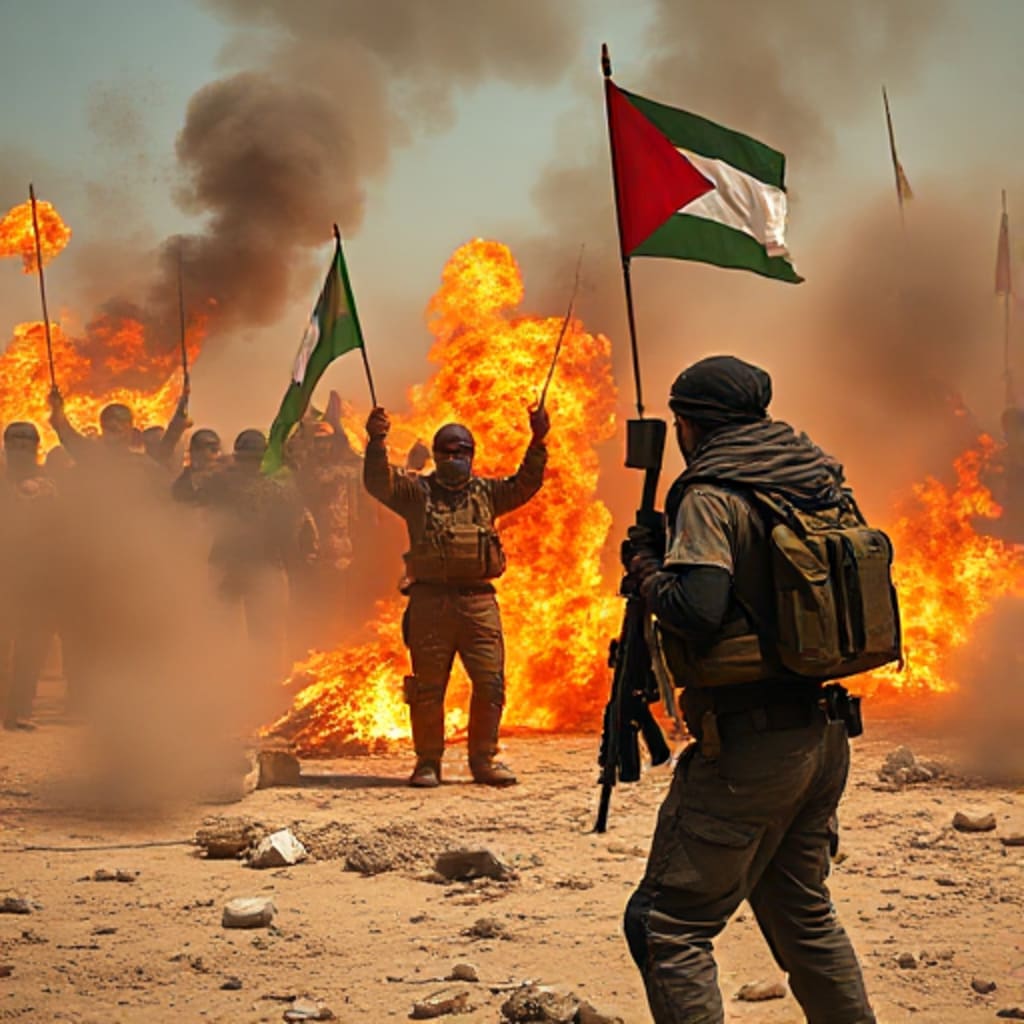
Hamas Agrees to Ceasefire and Hostage Release in Gaza
In a promising move towards peace, Hamas has accepted a draft proposal for a ceasefire in Gaza. This agreement also includes the release of hostages, signaling a potential end to the devastating conflict that has lasted for over 15 months. The fighting between Hamas and Israel has caused immense loss of life and widespread destruction in the region.
Key Details of the Agreement

The ceasefire agreement outlines a three-phase process aimed at restoring calm and addressing critical issues:
First Phase:In the initial stage, Hamas has agreed to release 33 hostages, including women, children, the elderly, and those who are wounded. As a reciprocal gesture, Israel will release hundreds of Palestinian prisoners, mostly women and children. This phase also includes a halt to Israeli military operations, creating an opportunity to deliver increased humanitarian aid to Gaza.
Second Phase:The next stage focuses on securing the release of all remaining hostages held by Hamas. During this phase, Israel is expected to withdraw its military forces from populated areas in Gaza, easing tensions on the ground.
Third Phase:The final phase emphasizes the return of the bodies of deceased hostages to their families. It also marks the beginning of a comprehensive reconstruction plan for Gaza, aimed at rebuilding the region and supporting its people.

International Efforts and Mediation
This agreement is the result of extensive mediation efforts by the United States, Egypt, and Qatar. It has also received support from the United Nations. The proposal now awaits final approval from the Israeli cabinet, led by Prime Minister Benjamin Netanyahu.
Global leaders, including U.S. President Joe Biden and incoming President Donald Trump, have highlighted the importance of this ceasefire, urging all parties to work together to ease the humanitarian crisis in Gaza. Their involvement reflects the international community's commitment to achieving a peaceful resolution to this ongoing conflict.
Humanitarian Impact
The ceasefire is expected to provide much-needed relief to the people of Gaza, who have endured severe hardships throughout the conflict. Israeli hospitals are preparing to receive the 33 hostages, who may require urgent medical attention after their long captivity.
Additionally, the pause in military operations will allow humanitarian organizations to deliver essential aid to Gaza's residents. This includes food, medical supplies, and other necessities that are urgently needed in the region.
Challenges Ahead
Despite the positive steps taken with this agreement, several challenges remain. The Israeli cabinet has yet to approve the draft proposal, and the implementation of each phase will require careful coordination.
Moreover, the situation on the ground remains tense. Recent Israeli airstrikes in Gaza have caused civilian casualties, highlighting the fragile nature of the ceasefire efforts. Both sides will need to exercise restraint and adhere to the terms of the agreement to ensure its success.
A Hopeful Path Forward
The international community continues to monitor the situation closely, urging both Hamas and Israel to honor their commitments and work towards lasting peace. This ceasefire offers a critical opportunity to end the violence, rebuild Gaza, and bring relief to its people.
The coming days will be crucial as the world watches to see if this agreement can bring an end to the prolonged conflict. With cooperation and goodwill from all parties involved, this ceasefire could pave the way for a brighter, more peaceful future in the region.
Conclusion:
The path toward lasting peace in Israel hinges on a collective commitment to overcoming the cycle of violence that has long plagued the region. By seizing the current opportunity to rebuild Gaza, not only can the immediate needs of its people be addressed, but a foundation for sustainable development can also be established. As the world observes this pivotal moment, there is a palpable sense of hope that cooperation and goodwill among all parties involved might finally lead to an enduring resolution. Ultimately, it is this shared vision of harmony that holds the potential to transform conflict into collaboration, ensuring a brighter future for both Israelis and Palestinians alike.
About the Creator
Keep reading
More stories from writers in Humans and other communities.
The CEO of Everything
They say "jack of all trades, master of none," but they forgot to mention the part where the jack of all trades is also the camera woman, the makeup artist, and the person currently yelling at a tangled Wii microphone cable in a her own bathroom while recording herself singing and trying to make it look realistic and professional. (As professional as you can make it with nothing but a cell phone camera and a mic that doesn't work)
By Sara Wilson5 days ago in Humans




Comments
There are no comments for this story
Be the first to respond and start the conversation.