
Gut Health: The Importance of Probiotics and Prebiotics
The importance of gut health
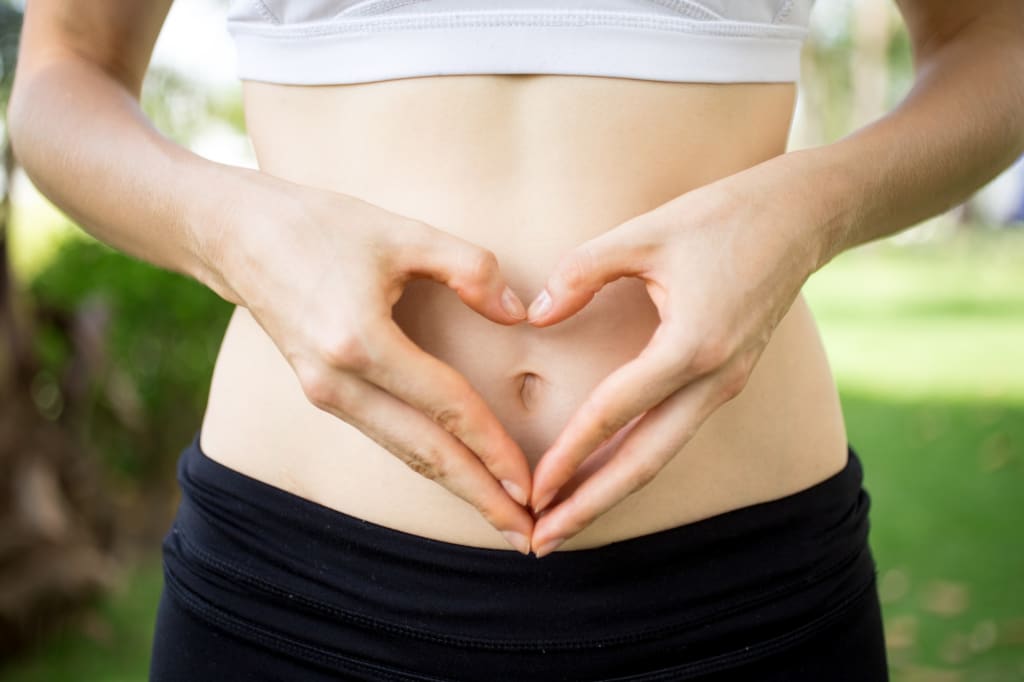
When I first heard about gut health, I thought it was just about avoiding stomach aches. But the more I learned, the more I realized our gut is like a hidden superpower — it affects everything from our digestion to our mood, immunity, and even heart health. At the heart of a healthy gut are two key players: probiotics and prebiotics. These tiny helpers work together to keep our gut microbiome balanced and thriving. In this article, I’ll dive into why gut health matters, the roles of probiotics and prebiotics, and how you can easily add them to your life. Let’s explore this fascinating world of gut health and why it’s so important for our overall well-being.
Why Gut Health Matters:
Your gut is home to trillions of bacteria, fungi, and other microbes, collectively called the gut microbiome. This community plays a massive role in your health. A balanced gut microbiome helps digest food, produces vitamins like B12 and K, and even communicates with your brain through the gut-brain axis. According to a 2023 study in Nature Reviews Microbiology, a healthy gut microbiome is linked to lower risks of conditions like obesity, diabetes, and depression.
When I started having bloating and low energy a few years ago, I ignored it, thinking it was just stress. But after some research, I learned my gut health might be off balance. That’s when I began focusing on probiotics and prebiotics, and the difference was incredible — I felt lighter, more energized, and even happier.
What Are Probiotics?
Probiotics are live beneficial bacteria that help keep your gut microbiome in check. They’re found in fermented foods like yogurt, kefir, sauerkraut, kimchi, and miso, as well as in supplements. Probiotics work by adding good bacteria to your gut, which can crowd out harmful bacteria and reduce inflammation.
A 2024 study in The Lancet Gastroenterology & Hepatology found that probiotics can improve symptoms of irritable bowel syndrome (IBS), such as bloating and abdominal pain, by up to 20%. They also support your immune system. About 70% of your immune cells live in your gut, and probiotics help these cells fight off pathogens. A 2023 meta-analysis in Frontiers in Immunology showed that people taking probiotics had fewer upper respiratory infections and shorter illness durations.
How Probiotics Help:
Restoring balance: After taking antibiotics, which can wipe out both good and bad bacteria, probiotics help rebuild the healthy flora in your gut.
Boosting immunity: They enhance the body’s natural defenses by promoting the production of natural antibodies.
Improving digestion: Certain probiotic strains help with conditions like irritable bowel syndrome (IBS), diarrhea, and constipation.
Supporting mental health: The gut-brain axis is real — some studies suggest that probiotics can help alleviate symptoms of anxiety, depression, and even autism.
According to a 2020 review published in the journal Nutrients, probiotics have been shown to improve gut barrier function and reduce inflammation, two critical factors in maintaining good health.
What Are Prebiotics?
While probiotics are the beneficial bacteria, prebiotics are the food that fuels them. Prebiotics are types of fiber that your body can’t digest, but your gut bacteria love them. They’re found in foods like garlic, onions, bananas, asparagus, oats, and apples. When gut bacteria ferment prebiotics, they produce short-chain fatty acids like butyrate, which reduce inflammation and protect the gut lining.
A 2024 study in The American Journal of Clinical Nutrition found that people who ate more prebiotic-rich foods had lower levels of inflammatory markers and better gut barrier function. This is crucial because a leaky gut — where the gut lining becomes too permeable — can lead to issues like food sensitivities and autoimmune conditions. Prebiotics also help with regular bowel movements by increasing stool bulk, making them a natural way to combat constipation.
How Prebiotics Support Gut Health:
Feeding good bacteria: By nourishing beneficial gut microbes, prebiotics help them thrive and outcompete harmful bacteria.
Producing short-chain fatty acids: These are compounds produced when prebiotics are fermented by gut bacteria. They play an essential role in strengthening the gut lining and reducing inflammation.
Enhancing mineral absorption: Prebiotics help the body better absorb essential minerals like calcium and magnesium, important for bone health.
A 2019 study in the Frontiers in Microbiology journal found that prebiotics could even reduce the risk of chronic diseases like obesity, diabetes, and heart disease by maintaining a healthy gut ecosystem.
How Probiotics and Prebiotics Work Together:
Probiotics and prebiotics are a dynamic duo. Probiotics add beneficial bacteria to your gut, while prebiotics ensure those bacteria have the fuel they need to thrive. This partnership is called a symbiotic effect, and it’s key to maintaining a balanced microbiome. A 2023 study in Gut Microbes found that combining probiotics and prebiotics led to greater improvements in gut health than either alone, including better digestion and reduced inflammation.
For example, eating a bowl of yogurt (probiotic) with sliced bananas (prebiotic) is a simple way to get both in one meal. This combo helps the good bacteria grow and work more effectively, creating a healthier gut environment. I tried this combo for a week, and I could feel the difference — my stomach felt calmer, and I had fewer cravings for unhealthy snacks.
Benefits Beyond Digestion:
The benefits of probiotics and prebiotics go far beyond a happy tummy. Let’s look at a few areas where they make a big impact.
Mental Health:
Your gut and brain are connected through the gut-brain axis, a communication pathway that influences mood and mental health. A 2024 study in Biological Psychiatry found that probiotics can reduce symptoms of anxiety and depression by lowering inflammation and boosting serotonin production. Prebiotics also play a role by supporting the growth of bacteria that produce mood-regulating compounds. I’ve noticed that since focusing on my gut health, I feel less anxious and more balanced emotionally.
Immune Support:
A healthy gut strengthens your immune system. Probiotics enhance the production of antibodies, while prebiotics improve gut barrier function, keeping harmful bacteria out. A 2023 study in Clinical Nutrition showed that people who consumed probiotics and prebiotics had a 15% lower risk of infections like the common cold.
Heart Health:
Probiotics and prebiotics can also benefit your heart. A 2024 study in The Journal of Nutrition found that prebiotics lower LDL (“bad”) cholesterol by binding to it in the gut and removing it from the body. Probiotics, meanwhile, reduce blood pressure and inflammation, both of which are risk factors for heart disease. It’s incredible how much our gut impacts our entire body!
Weight Management:
A balanced gut microbiome may help with weight control. A 2023 study in Obesity Reviews found that probiotics can reduce body weight and fat mass by improving metabolism and reducing appetite. Prebiotics also promote the growth of bacteria that produce hormones to signal fullness, helping you avoid overeating. I’ve found that since focusing on gut health, I feel more satisfied after meals and snack less.
How to Add Probiotics and Prebiotics to Your Diet:
Getting more probiotics and prebiotics is easier than you might think. Here are some practical tips to start:
Probiotic-Rich Foods:
Yogurt: Choose plain, unsweetened yogurt with live cultures. Add fruit for sweetness.
Kefir: This fermented drink is like a probiotic powerhouse. Try it in smoothies.
Fermented Veggies: Sauerkraut and kimchi are tasty additions to salads or sandwiches.
Supplements: If you don’t eat fermented foods, a daily probiotic supplement can help. Look for one with at least 10 billion CFUs and multiple strains like Lactobacillus and Bifidobacterium.
Prebiotic-Rich Foods:
Garlic and Onions: Add them to soups, stir-fries, or roasted veggies.
Bananas and Apples: Perfect for snacks or breakfast toppings.
Oats: Start your day with oatmeal or add oats to smoothies.
Chicory Root: Found in some health foods, it’s a great prebiotic source.
I love making a simple overnight oats recipe with oats, yogurt, and banana — it’s a gut-friendly breakfast that keeps me full for hours. You can also try a stir-fry with garlic, onions, and asparagus for a prebiotic-packed dinner.
Things to Keep in Mind:
While probiotics and prebiotics are generally safe, start slowly to avoid temporary bloating as your gut adjusts. If you have a medical condition like IBS or are on medication, check with your doctor before taking supplements. Also, not all fermented foods are equal — some store-bought products are pasteurized, which kills the live bacteria, so look for “live cultures” on the label.
Final Thoughts:
Gut health is the foundation of overall wellness, and probiotics and prebiotics are key to keeping it in balance. From better digestion to improved mood, stronger immunity, and even a healthier heart, these tiny helpers do so much for us. I’ve seen the difference in my own life — less bloating, more energy, and a brighter mood — and the research backs up their importance.
If you’re ready to support your gut, start small. Add a serving of yogurt or a banana to your day, and experiment with fermented foods. Your gut — and your whole body — will thank you. Let’s keep nurturing our health, one delicious bite at a time!
About the Creator
Tauqeer
Passionate about health and wellness, I share simple tips, research-backed advice, and inspiration to help you live your healthiest life. Join me on the journey to better well-being!"
Love Between Two Enemies Part One
THE WAR WE INHERITED New York had a way of pretending it had no memory. Skyscrapers rose where scandals once burned, cafés thrived where blood had been spilled in boardrooms, and families like the Ashfords and the Morettis wore their success like polished armor, hiding decades of hatred beneath tailored suits.
By Ahmed aldeabellaabout 11 hours ago in Humans
One Unchecked Box
"Republished" because it was the only way to add the embed for the newly recorded audio version of this story due to the Top Story badge. Plus it serves as a nice, informal announcement of the podcast's revival for another season (go subscribe!):
By Stephen A. Roddewig3 days ago in Fiction


Comments
There are no comments for this story
Be the first to respond and start the conversation.